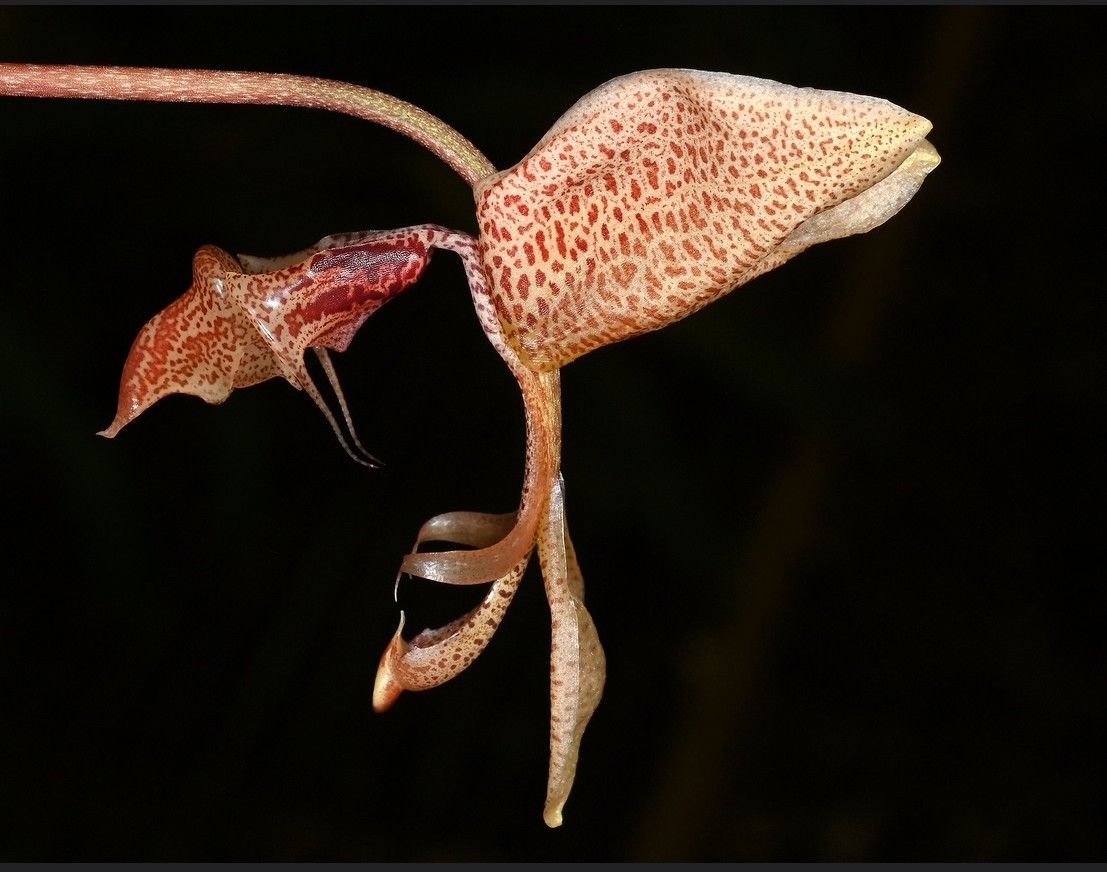
Paphinia rugosa

July 28, 2026

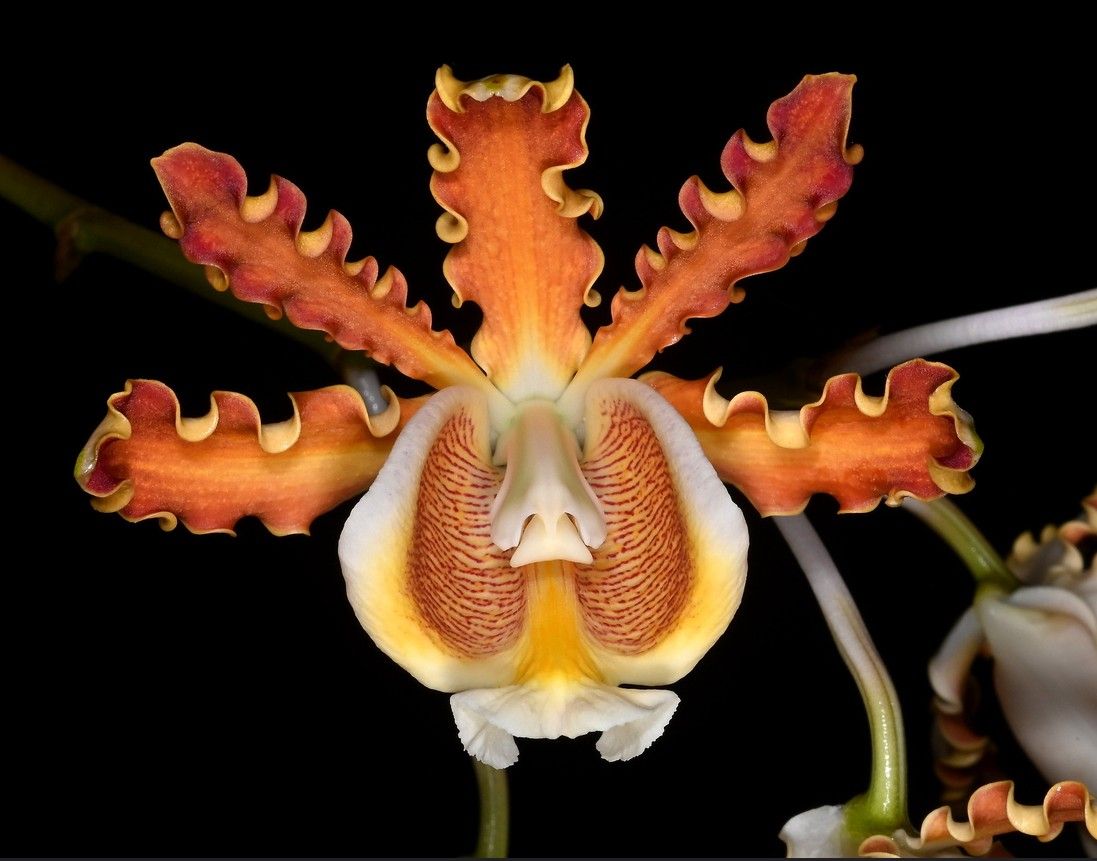
Paphinia rugosa

Paphinia rugosa is endemic to Colombia, where it grows epiphytically in shady conditions from sea level to about 1,800 meters (5,900 feet) and blooms in the autumn. Because of the pendulous inflorescences, it is best grown mounted or in a hanging basket. Repotting should be done just as new root growth is starting. Water should be reduced somewhat in late autumn and winter, but never allow the plant to dry out completely.

Photographer: Ron Parsons (www.flickr.com/photos/rpflowershots)

Grower: Mary Gerritsen

Info: Charles Baker culture sheet www.orchidculture.com
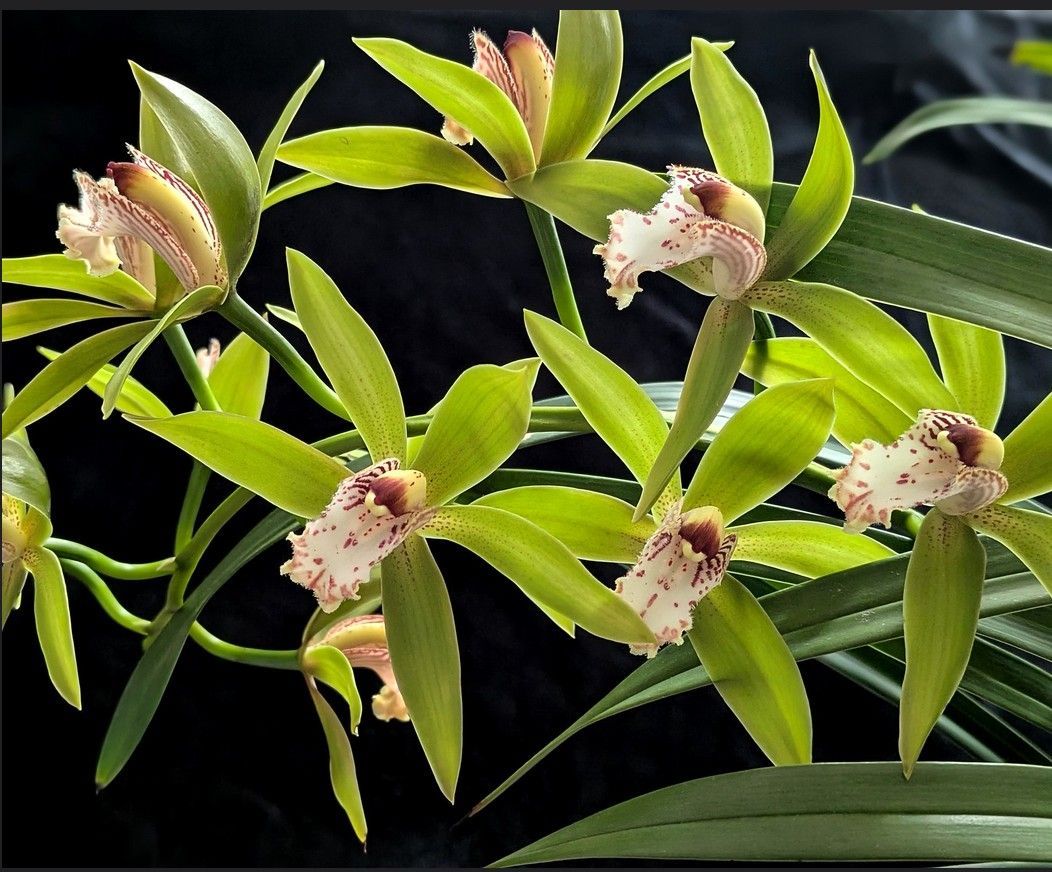
By Sandra Svoboda August 12, 2026
Gongora bufonia
By Sandra Svoboda August 1, 2026
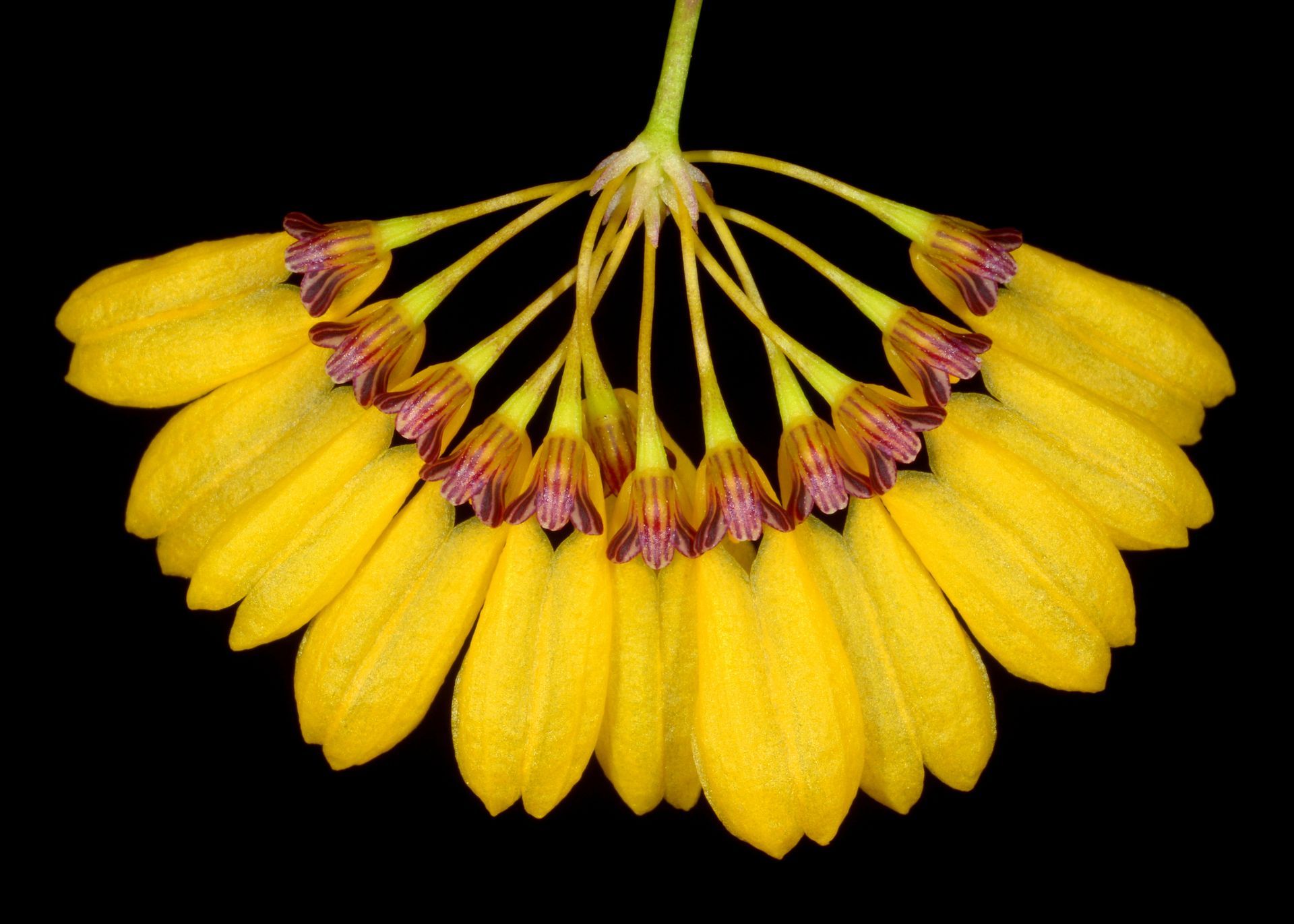
Bulbophyllum retusiusculum
By Sandra Svoboda July 11, 2026
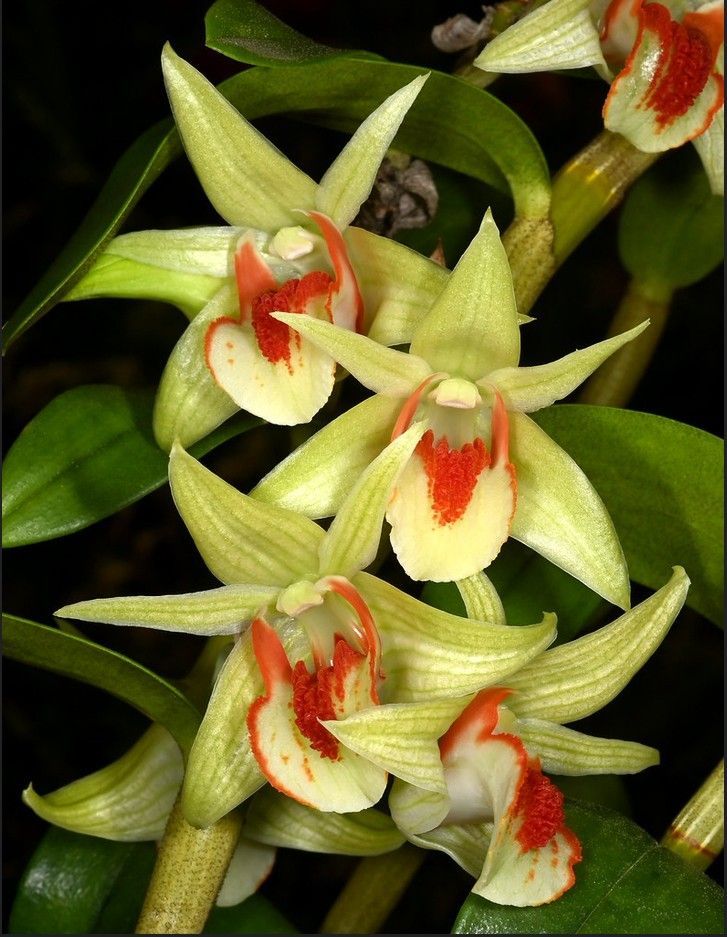
Dendrobium cruentum
By Sandra Svoboda June 29, 2026
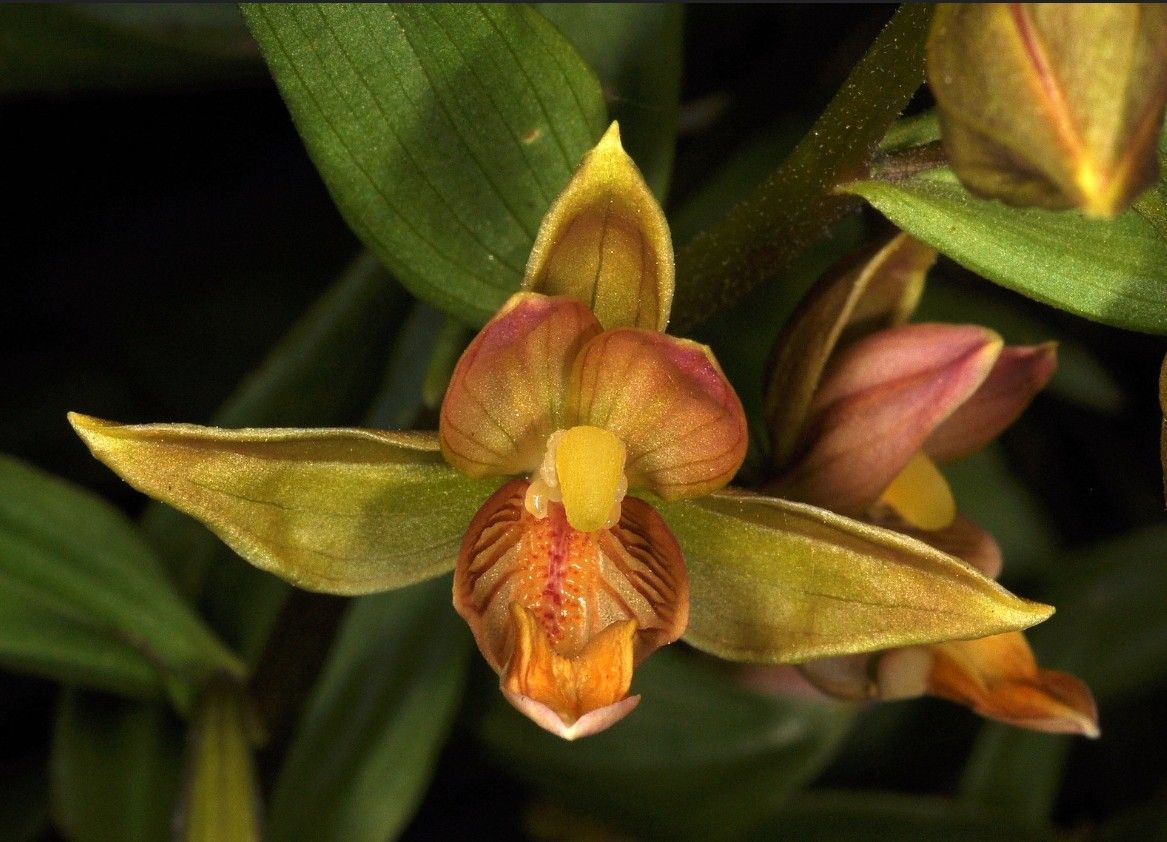
Epipactis gigantea
By Sandra Svoboda June 20, 2026
Myrmecophila brysiana
By Sandra Svoboda June 4, 2026
Coelogyne xyrekes
By Sandra Svoboda May 23, 2026
Cattleya lueddemanniana
By Sandra Svoboda May 14, 2026
Warczewiczella discolor
By Sandra Svoboda May 3, 2026
Cleisocentron kinabaluense
By Sandra Svoboda April 29, 2026
Thelymitra crinita is endemic to Western Australia at elevations of sea level to 350 meters in coastal and near coastal forests and woodlands as a small to large-sized, cold-growing terrestrial that blooms in the spring. Grow plants of Thelymitra in small pots with sandy loam. Provide intermediate temperatures and very bright light levels. Most species of Thelymitra exhibit a strong dormancy period after flowering. Water regularly during active growth and begin to withhold water upon flowering. After flowering, withhold all water until the onset of new vegetative growth. Some species, however, grow in permanently moist habitats. In nature, many species have enhanced flowerings following fire. Photographer: Ron Parsons (www.flickr.com/photos/rpflowershots) Info: Internet Orchid Species Photo Encyclopedia (www.orchidspecies.com and The AOS (https://www.aos.org/explore/thelymitra)