Dryadella zebrina
March 31, 2026
Dryadella zebrina
Dryadella zebrina is found in Brazil, Peru, and Bolivia in damp forests, often with mist and fog late in the day and with a dry season in the late spring till fall at elevations of 1,500 to 3,400 meters (4,921 to 11,155 feet) as a miniature-sized, cool- to cold-growing epiphyte that blooms in the spring through fall. This species will grow in a cool, humid, semi-shaded situation with plenty of water and fertilizer in a fibrous, well-drained medium.
Photographer: Ron Parsons (www.flickr.com/photos/rpflowershots)
Grower: Andy’s Orchids (https://andysorchids.com/)
Info: Internet Orchid Species Photo Encyclopedia (www.orchidspecies.com)
Photographer: Ron Parsons (www.flickr.com/photos/rpflowershots)
Grower: Andy’s Orchids (https://andysorchids.com/)
Info: Internet Orchid Species Photo Encyclopedia (www.orchidspecies.com)
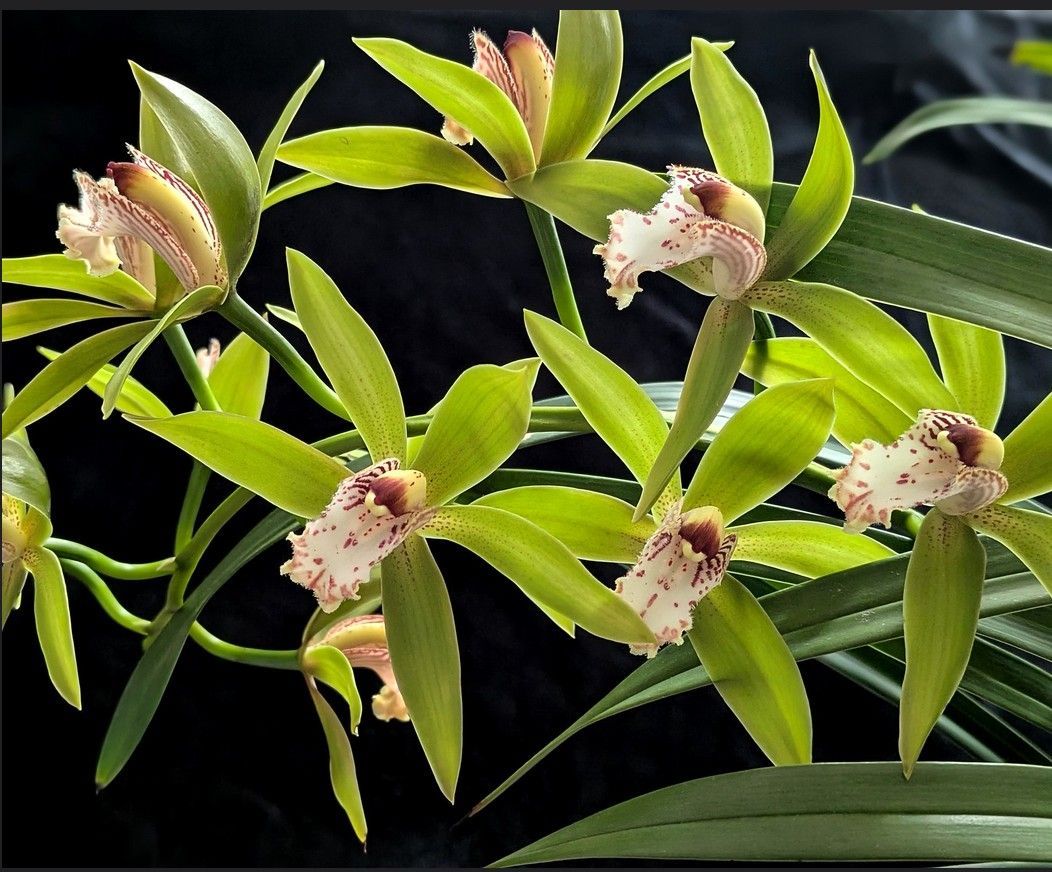
Cymbidium wilsonii
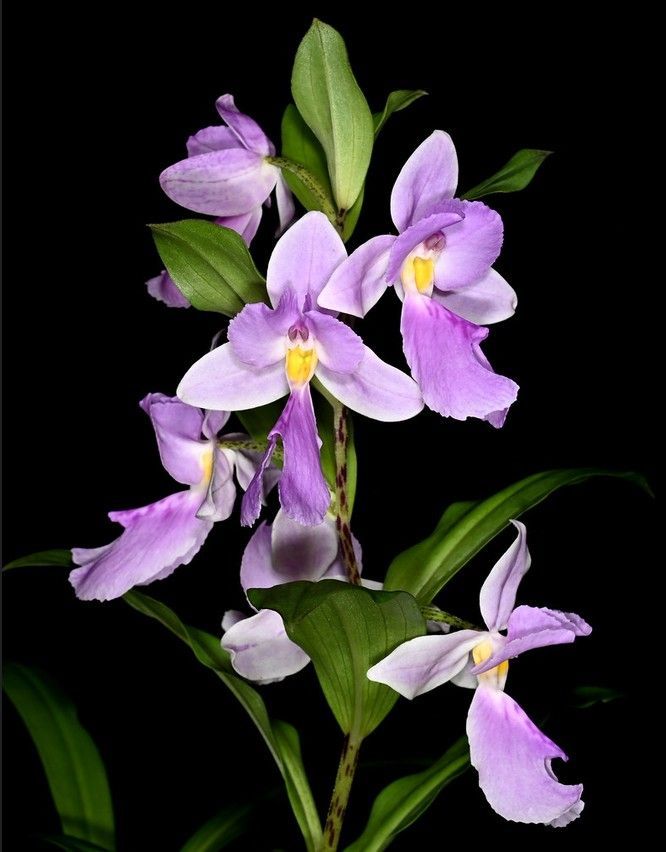
Brachycorythis kalbreyeri

Acianthera nikoleae
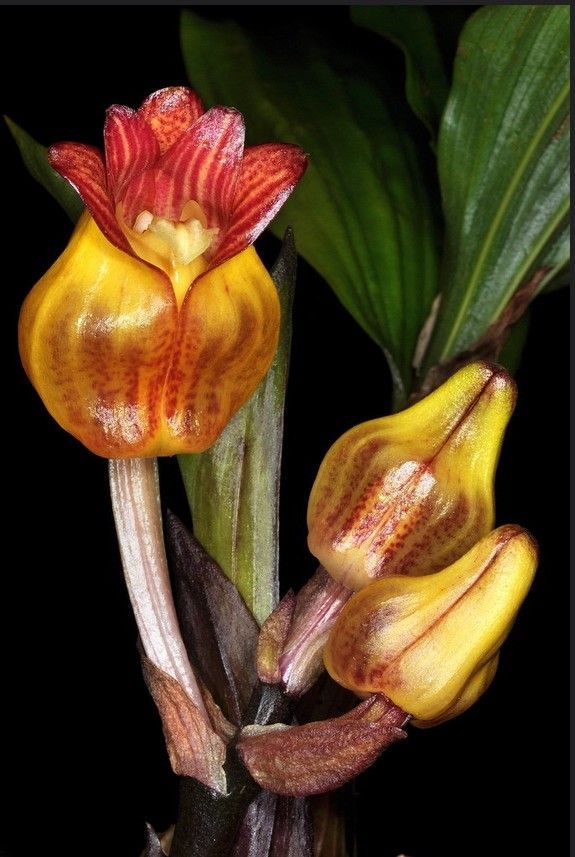
Acanthophippium mantinianum
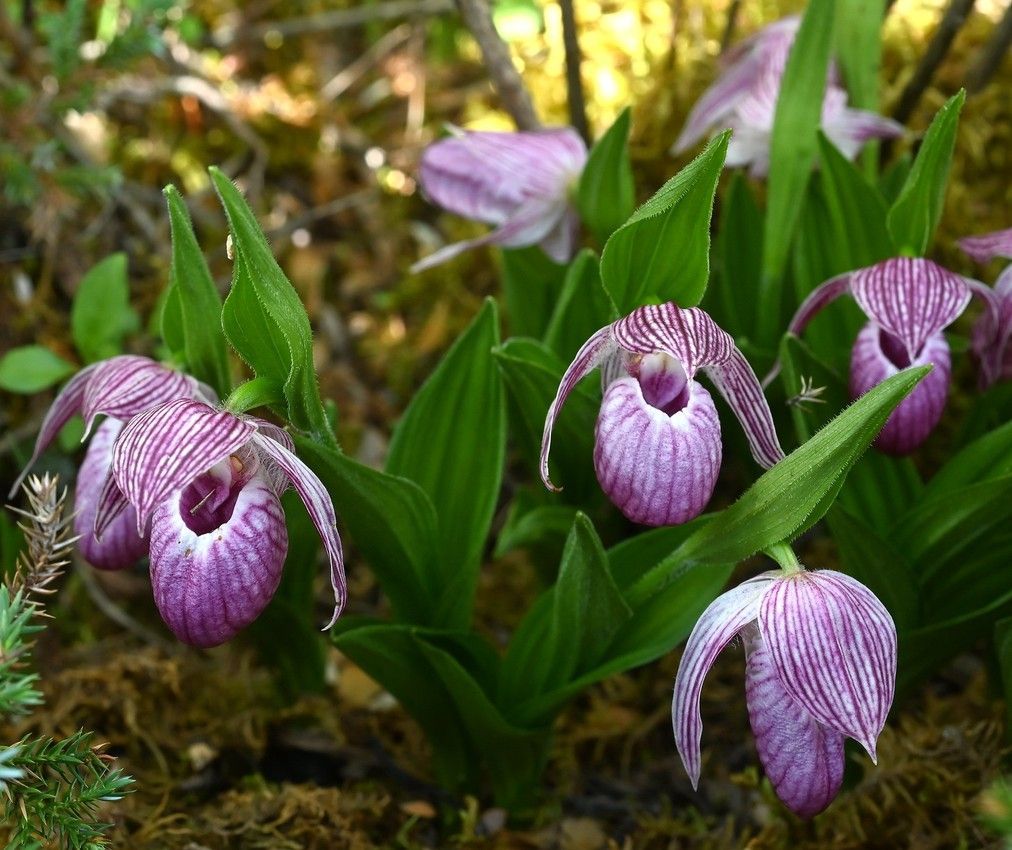
Cypripedium yunnanense
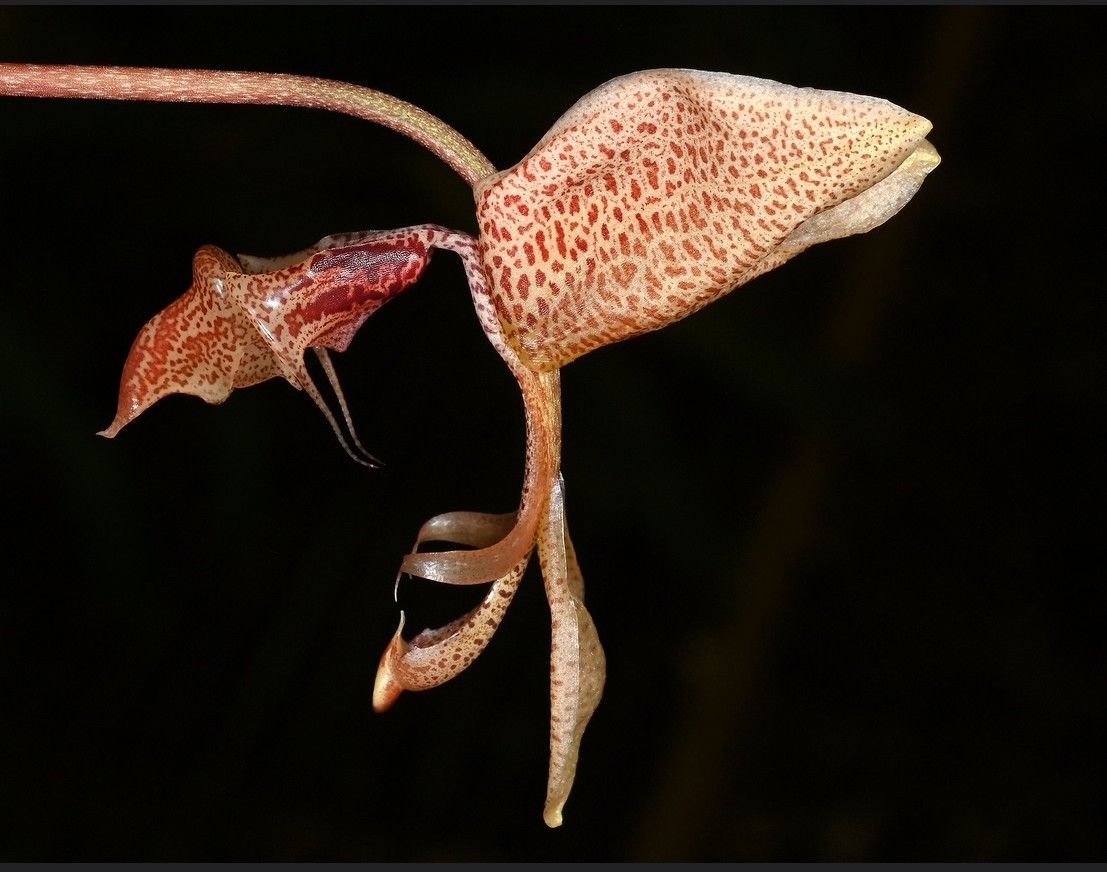
Gongora bufonia
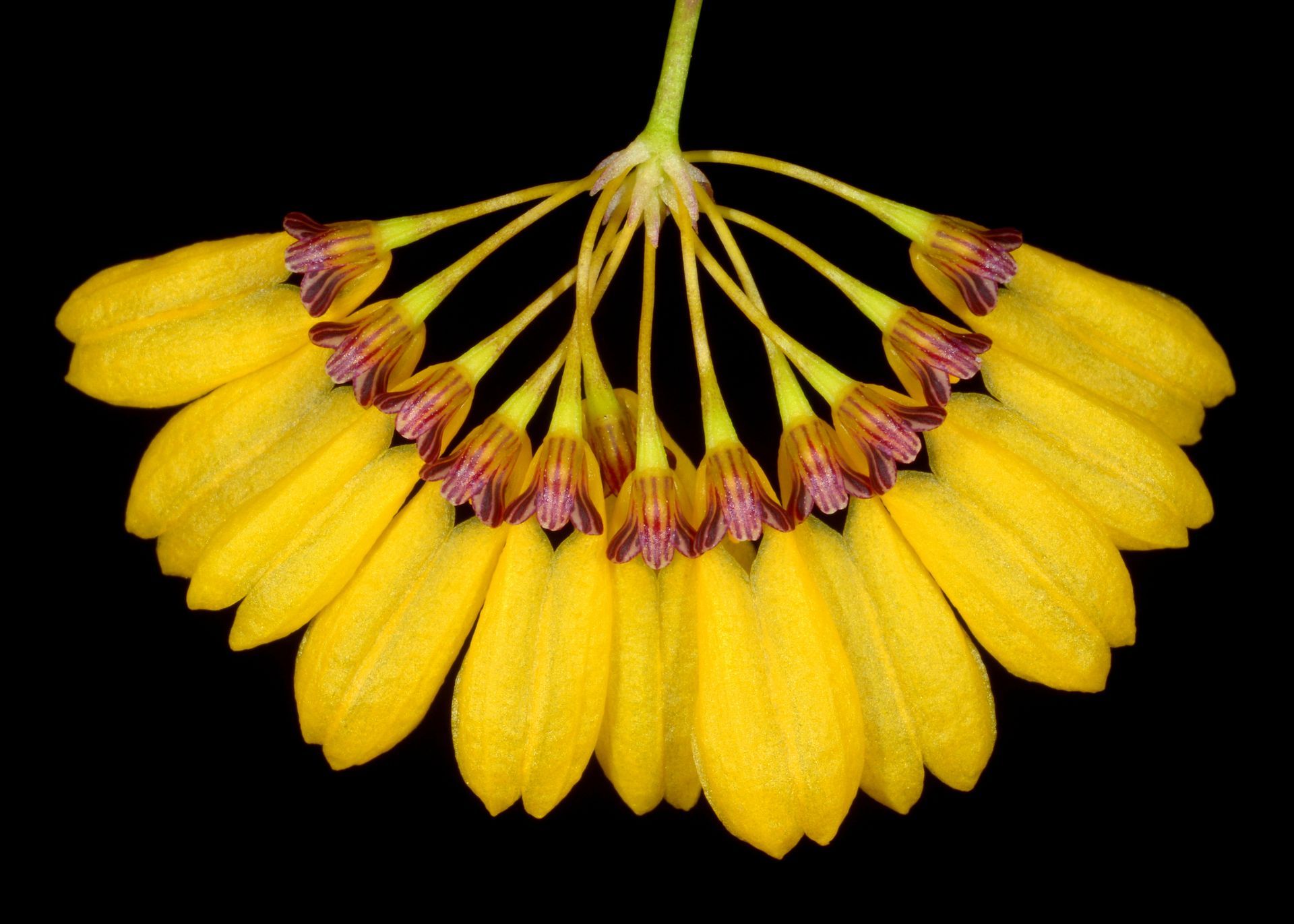
Bulbophyllum retusiusculum
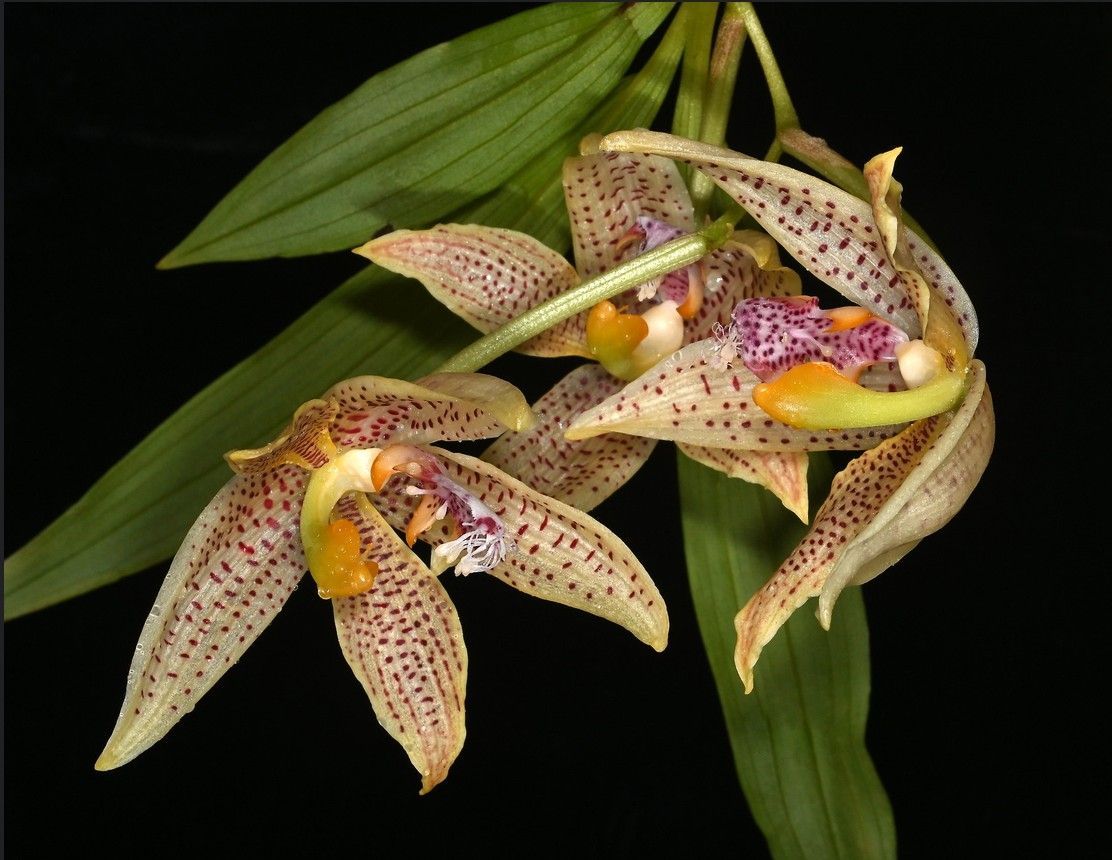
Paphinia rugosa
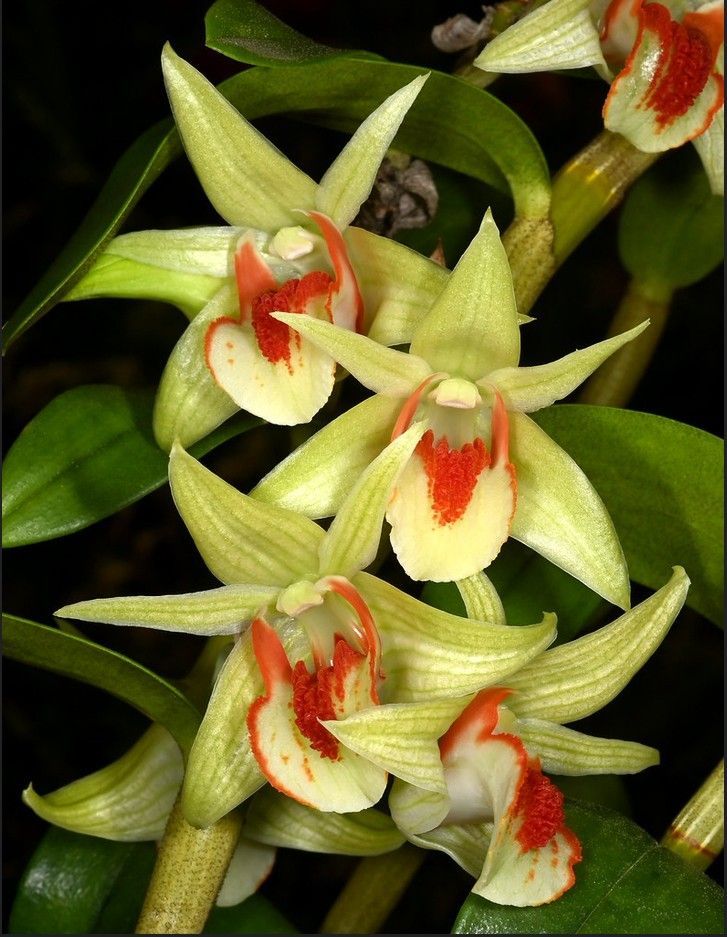
Dendrobium cruentum
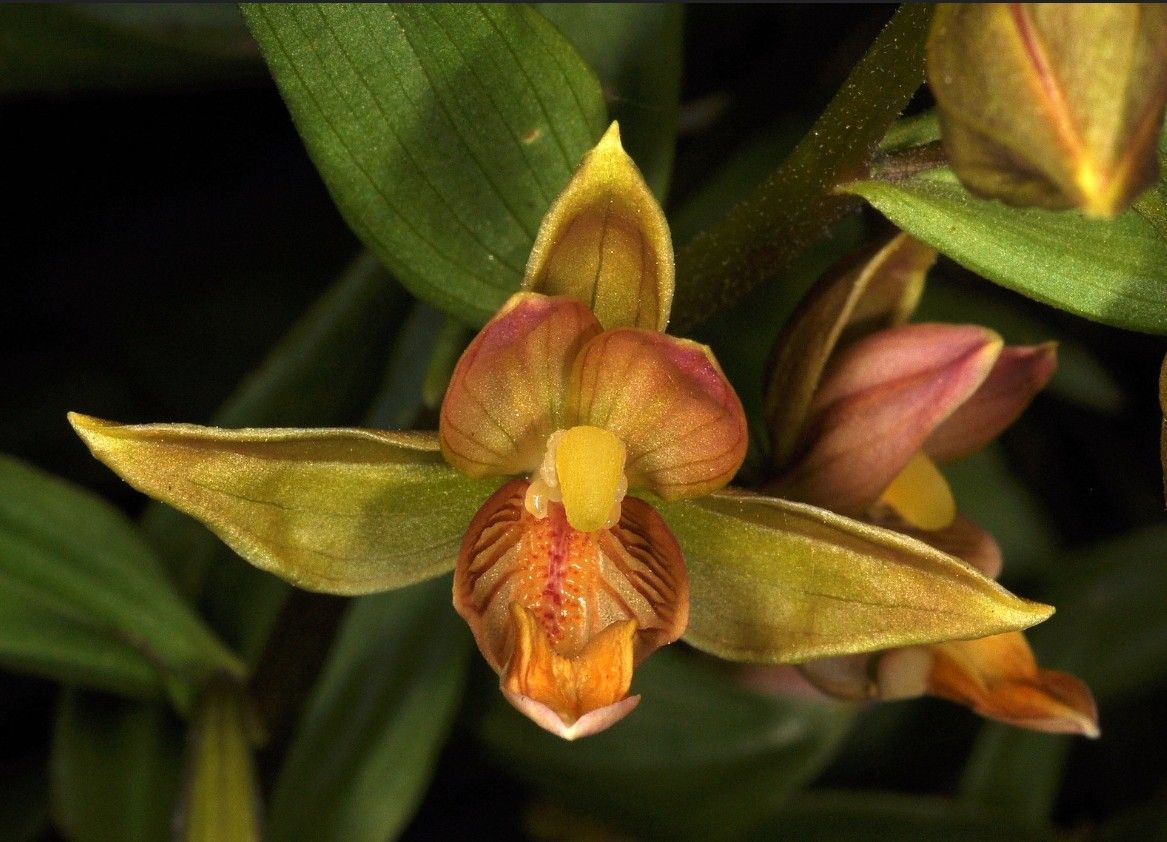
Epipactis gigantea