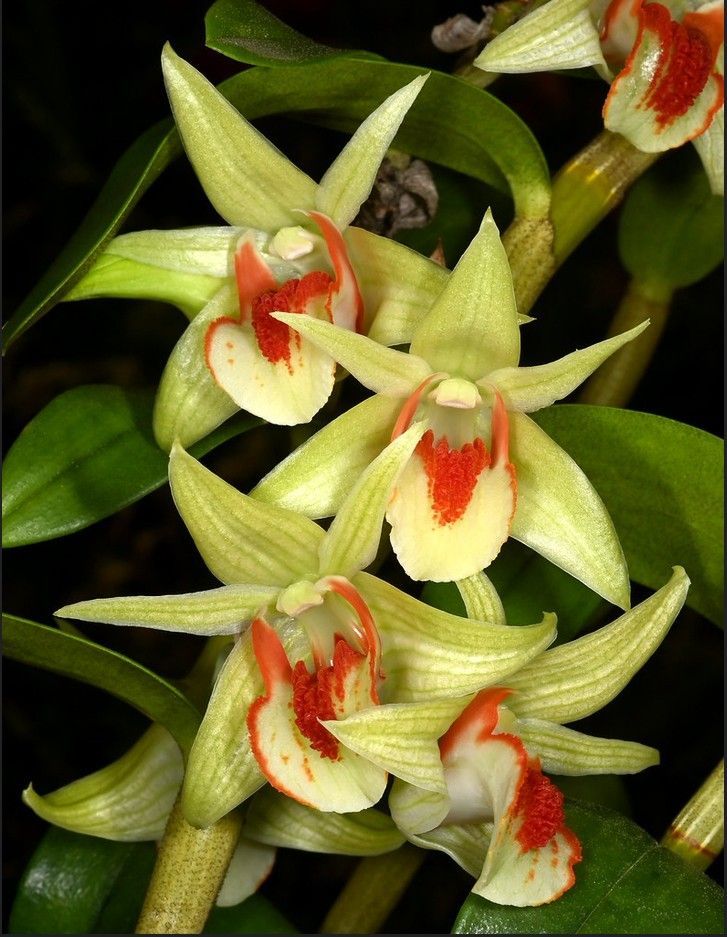
Dendrobium rigidum
January 27, 2026
Dendrobium rigidum
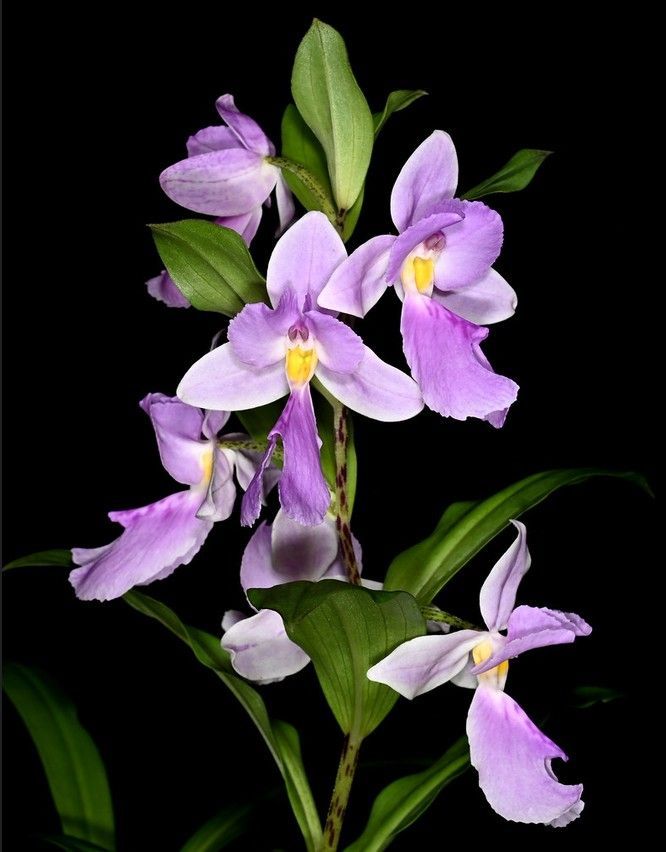
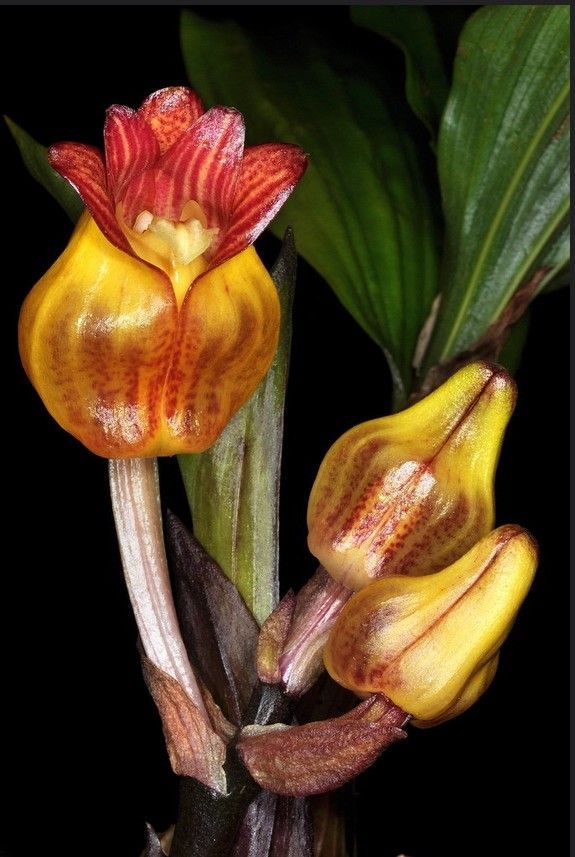
Dendrobium rigidum is found in Australia and New Guinea. Plants usually grow on mangroves in swampy coastal lowlands in New Guinea and commonly grow in mangrove swamps but are also found on trees along creeks and on rock faces and ironbark trees in low mountains and dry savannas, sometimes considerably inland from the coast in Australia. They grow from sea level to 2,300 feet (0 to 700 meters). It blooms sporadically during the year and usually blooms several times, with the main flowering in spring. It is a very slow-growing species. It is best grown mounted, but it can be in a shallow bulb pan or hanging basket. Do not use sphagnum moss. Air movement is critical. Repot in the spring.
Photo: Ron Parsons (www.flickr.com/photos/rpflowershots
Grower: John Snyder
Info: Charles Baker culture sheet www.orchidculture.com
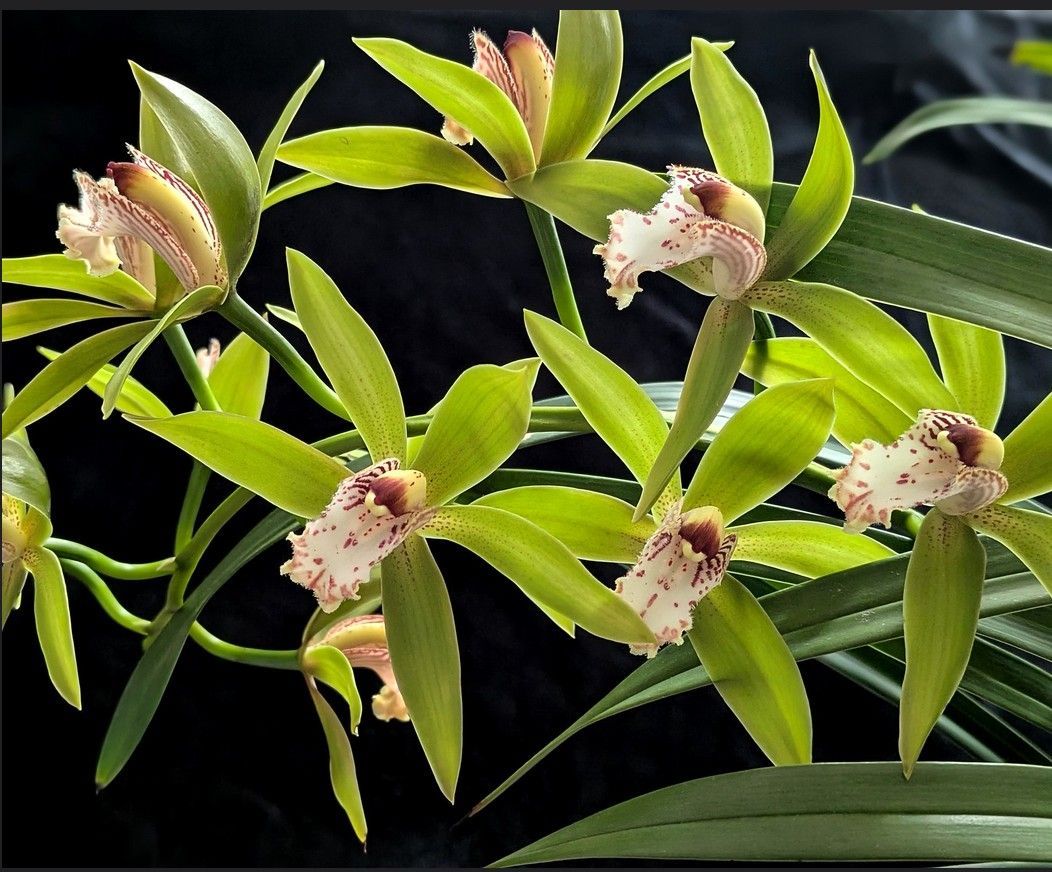
Photo: Ron Parsons (www.flickr.com/photos/rpflowershots
Grower: John Snyder
Info: Charles Baker culture sheet www.orchidculture.com

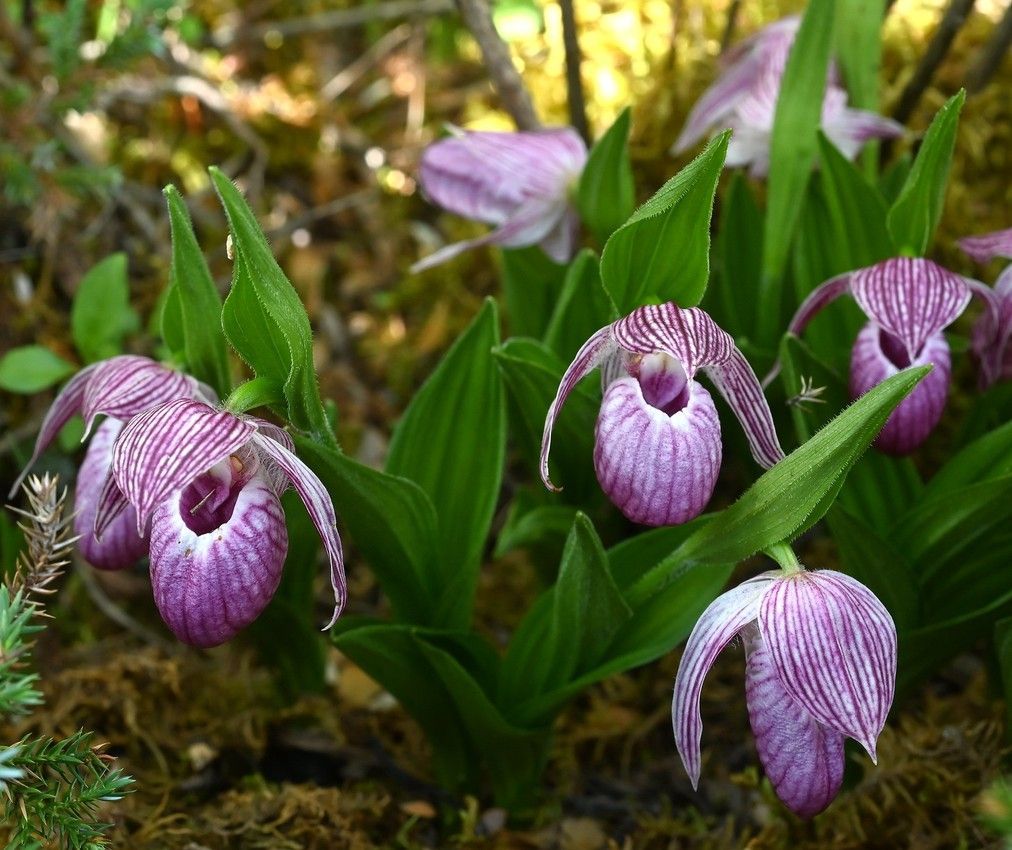
Thelymitra crinita is endemic to Western Australia at elevations of sea level to 350 meters in coastal and near coastal forests and woodlands as a small to large-sized, cold-growing terrestrial that blooms in the spring. Grow plants of Thelymitra in small pots with sandy loam. Provide intermediate temperatures and very bright light levels. Most species of Thelymitra exhibit a strong dormancy period after flowering. Water regularly during active growth and begin to withhold water upon flowering. After flowering, withhold all water until the onset of new vegetative growth. Some species, however, grow in permanently moist habitats. In nature, many species have enhanced flowerings following fire. Photographer: Ron Parsons (www.flickr.com/photos/rpflowershots) Info: Internet Orchid Species Photo Encyclopedia (www.orchidspecies.com and The AOS (https://www.aos.org/explore/thelymitra)

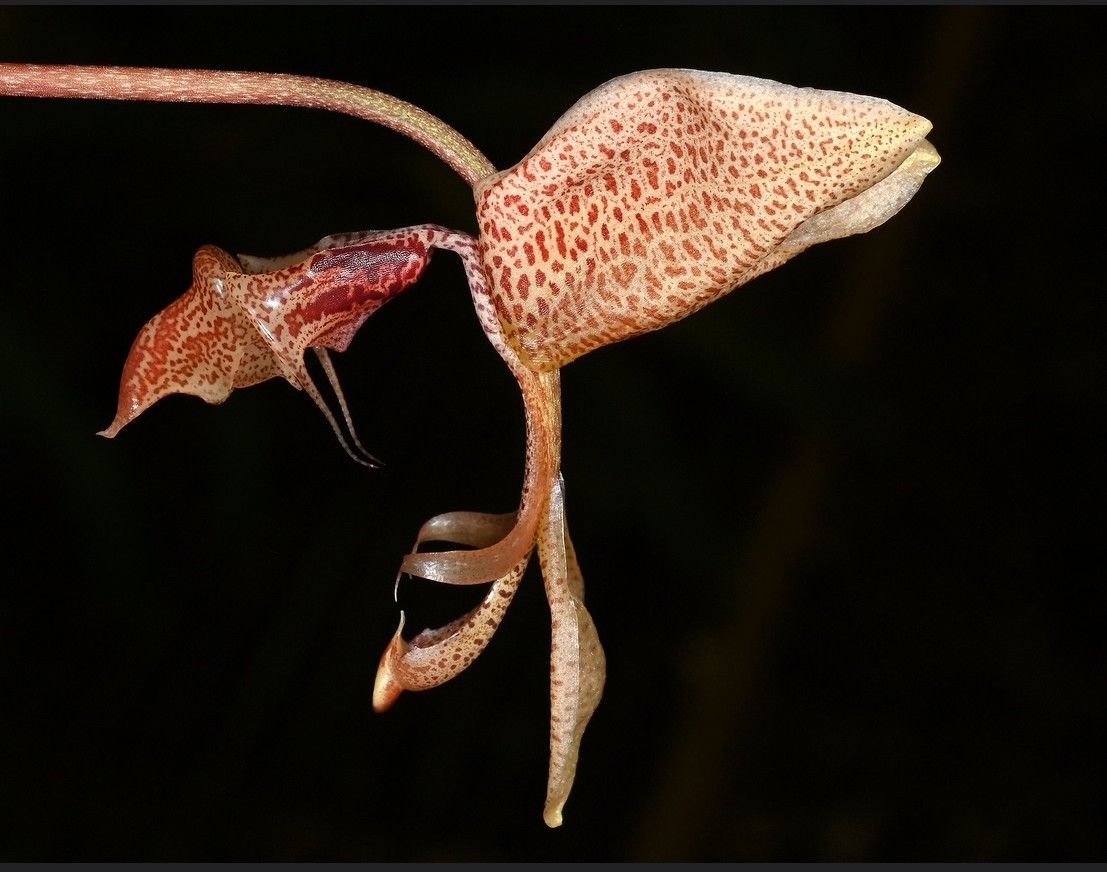
Masdevallia deformis is endemic to Ecuador. This miniature-sized, cool to cold growing epiphytic species occurs on the eastern slopes of the Andes, found at 2,400 to 2,700 meters (7,850 to 8,850 feet) in cloud forests. One showy blossom is carried on each inflorescence and blooms year-round. Grow in pots using an open, fast-draining medium that contains materials that retain some moisture. Repot yearly in late winter or early spring. Water and fertilizer may be reduced until spring but never allow them to dry out completely. Photographer: Ron Parsons (www.flickr.com/photos/rpflowershots) Grower: Ron Parsons Info: Charles Baker culture sheet www.orchidculture.com and Internet Orchid Species Photo Encyclopedia (www.orchidspecies.com