Dendrobium moorei
December 12, 2025
Dendrobium moorei
Dendrobium moorei is endemic to Australia. It is found on rocks, tree ferns, scrub, figs, and palms, as well as in the soil. They are most often found low on trees where light is relatively high. Although plants are more common above 1000 feet (300 meters), some are reported as low as 100 feet (30 meters). Collectors indicate that the best plants grow on tree ferns. A well-grown plant is usually in bloom. Water and fertilizer should be reduced, but never allow the plants to remain completely dry for long periods.
Photographer: Ron Parsons (www.flickr.com/photos/rpflowershots
Grower: Michael Matthews
Info: Charles Baker culture sheet www.orchidculture.com
Photographer: Ron Parsons (www.flickr.com/photos/rpflowershots
Grower: Michael Matthews
Info: Charles Baker culture sheet www.orchidculture.com
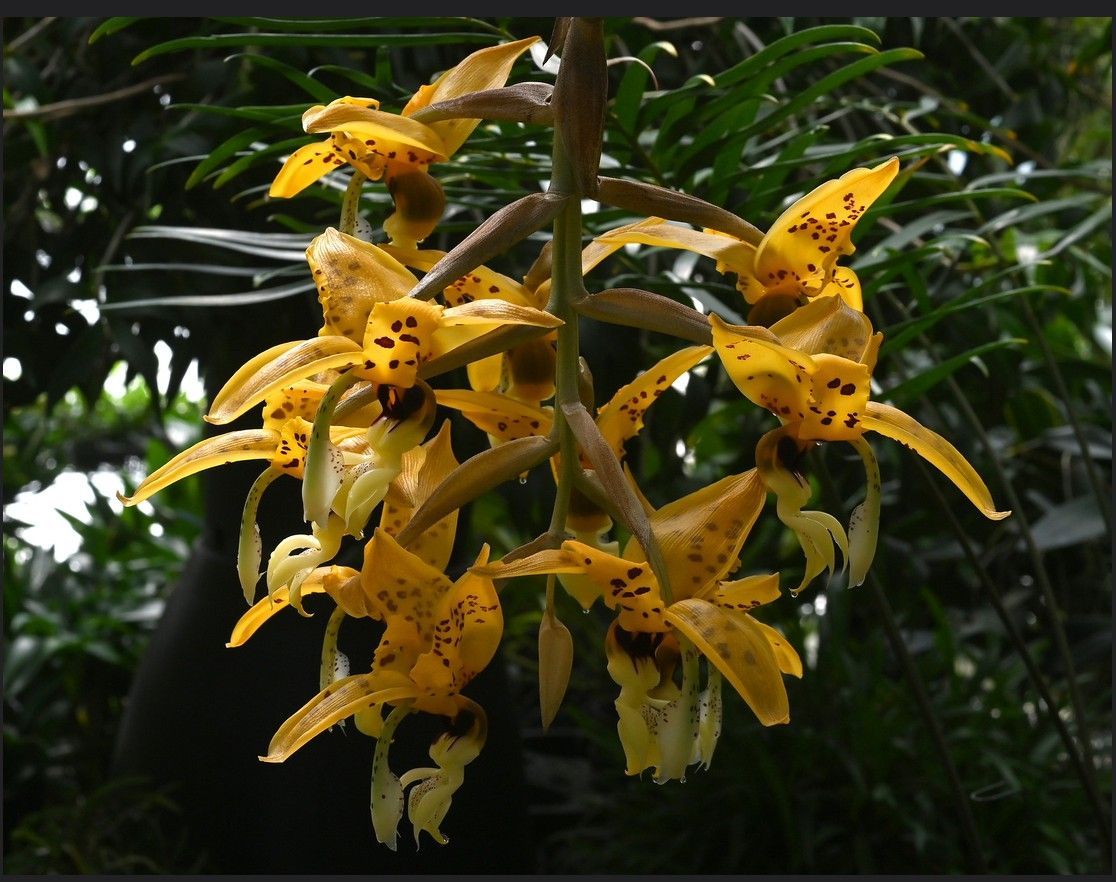
Stanhopea posadae
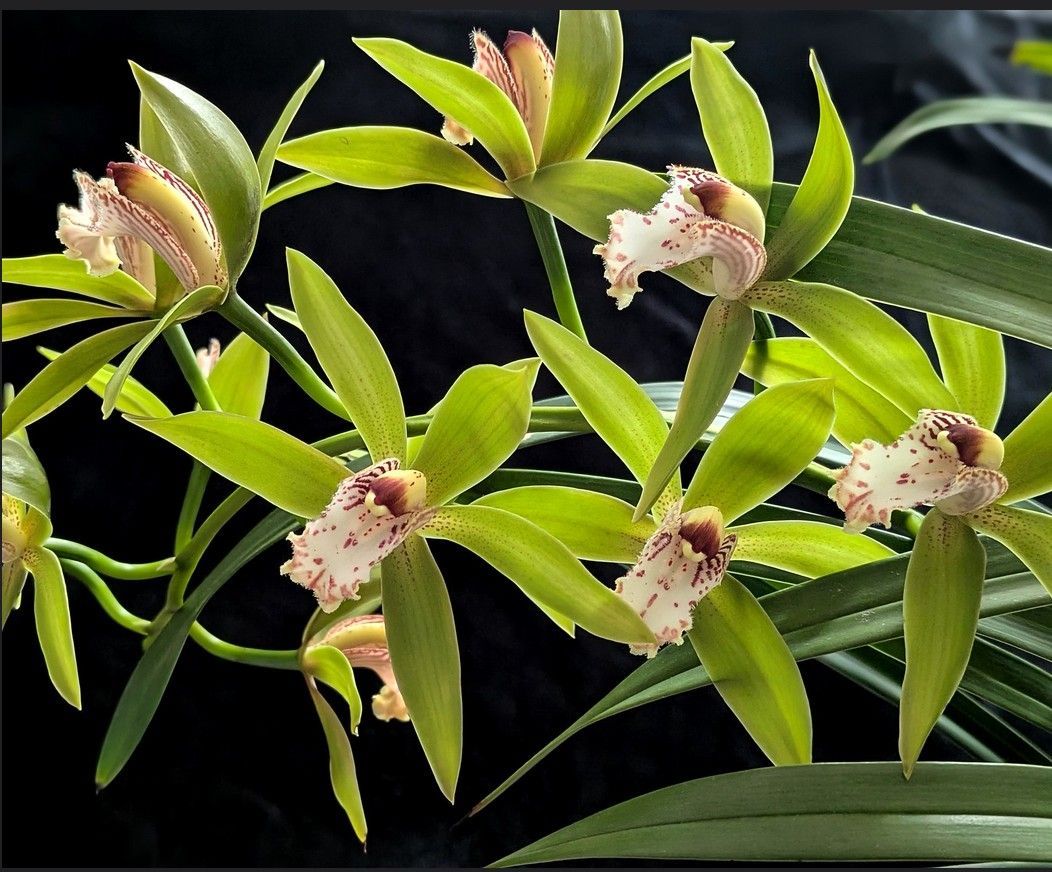
Cymbidium wilsonii
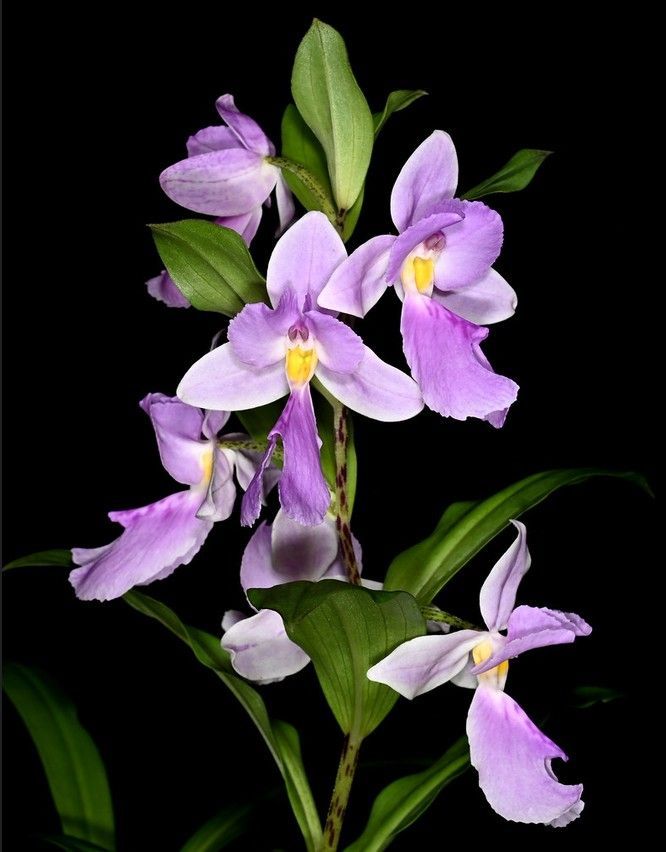
Brachycorythis kalbreyeri

Acianthera nikoleae
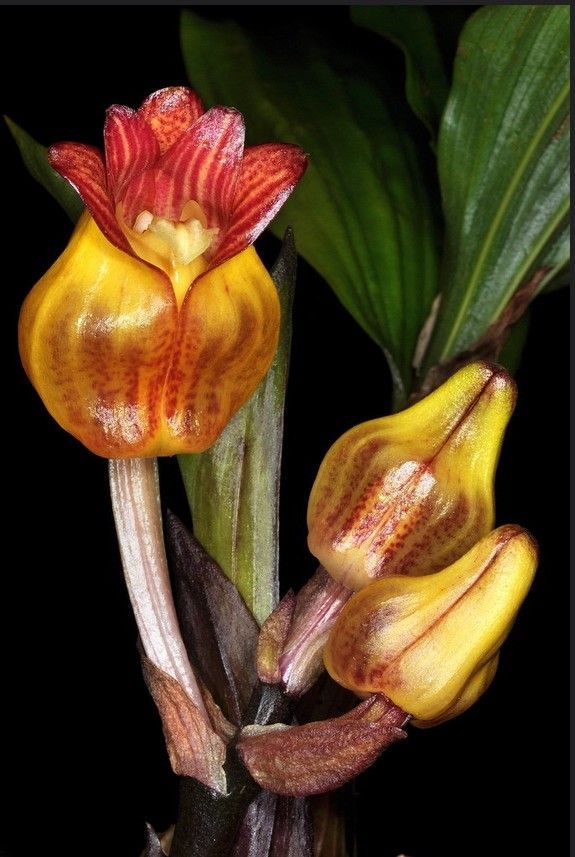
Acanthophippium mantinianum
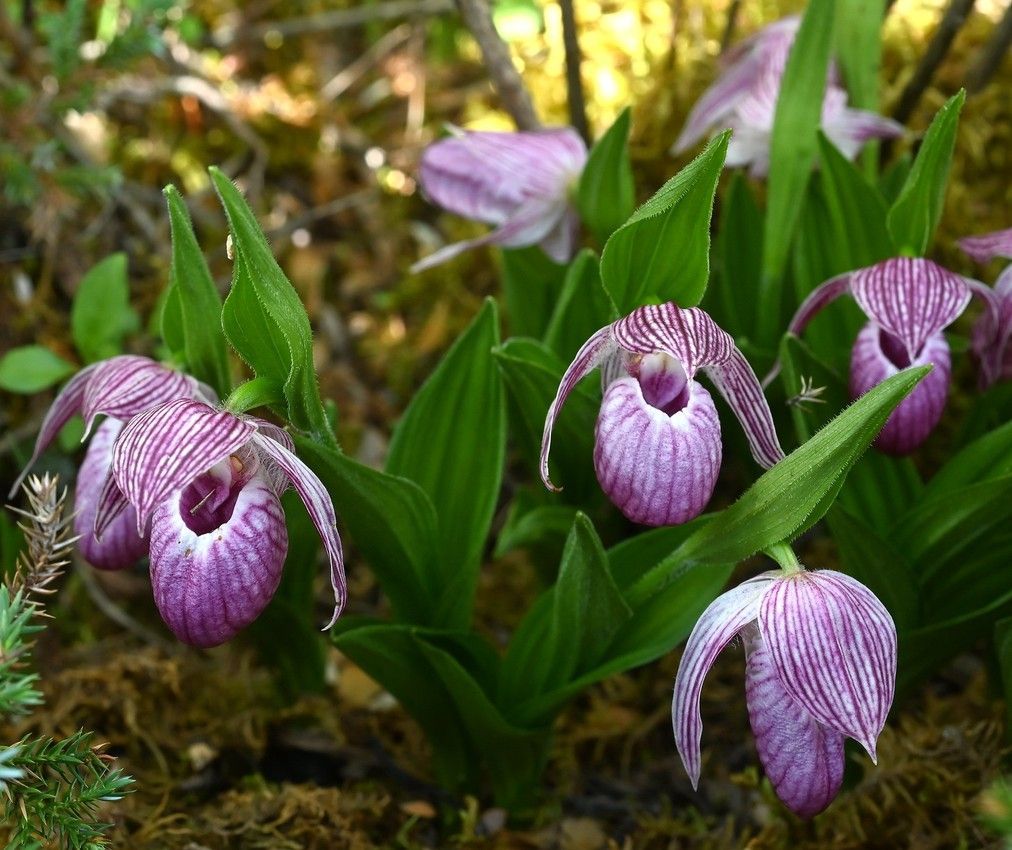
Cypripedium yunnanense
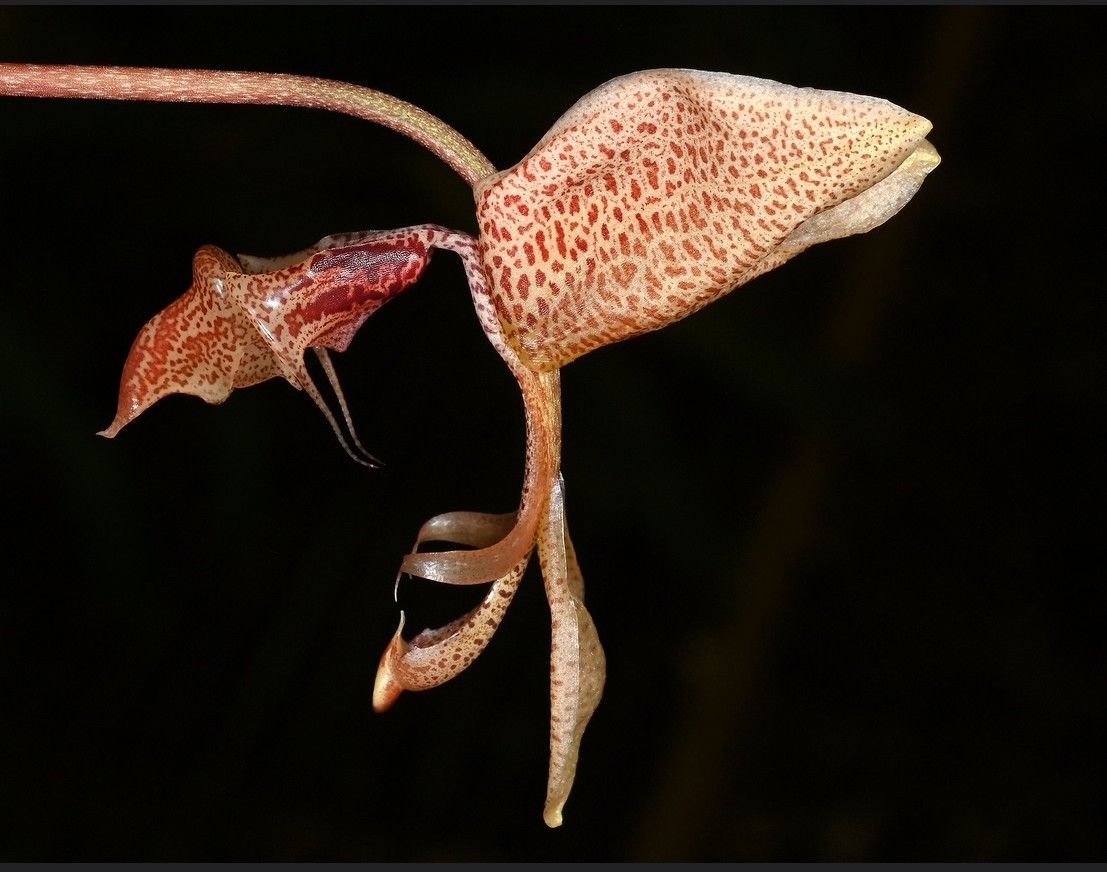
Gongora bufonia
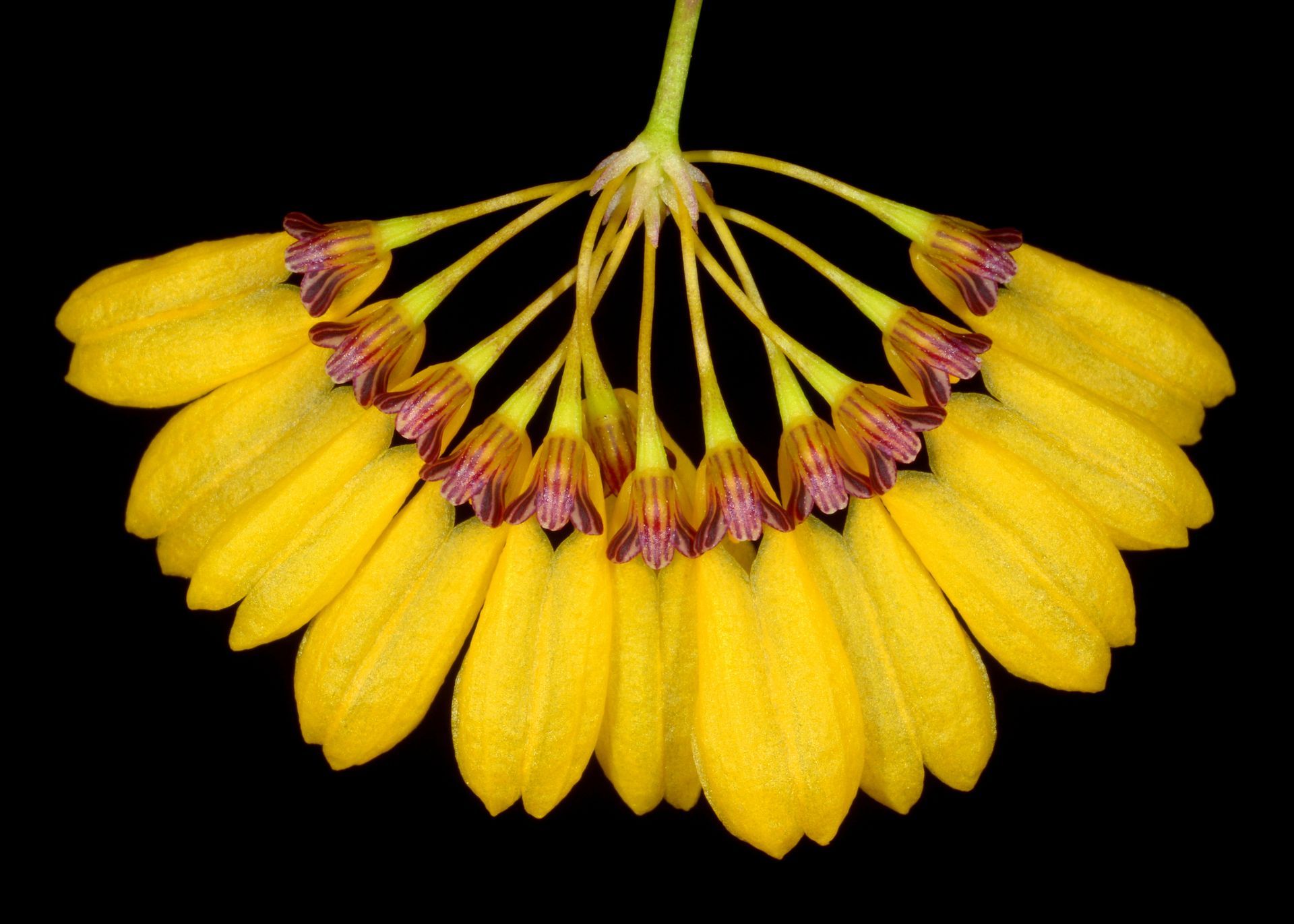
Bulbophyllum retusiusculum
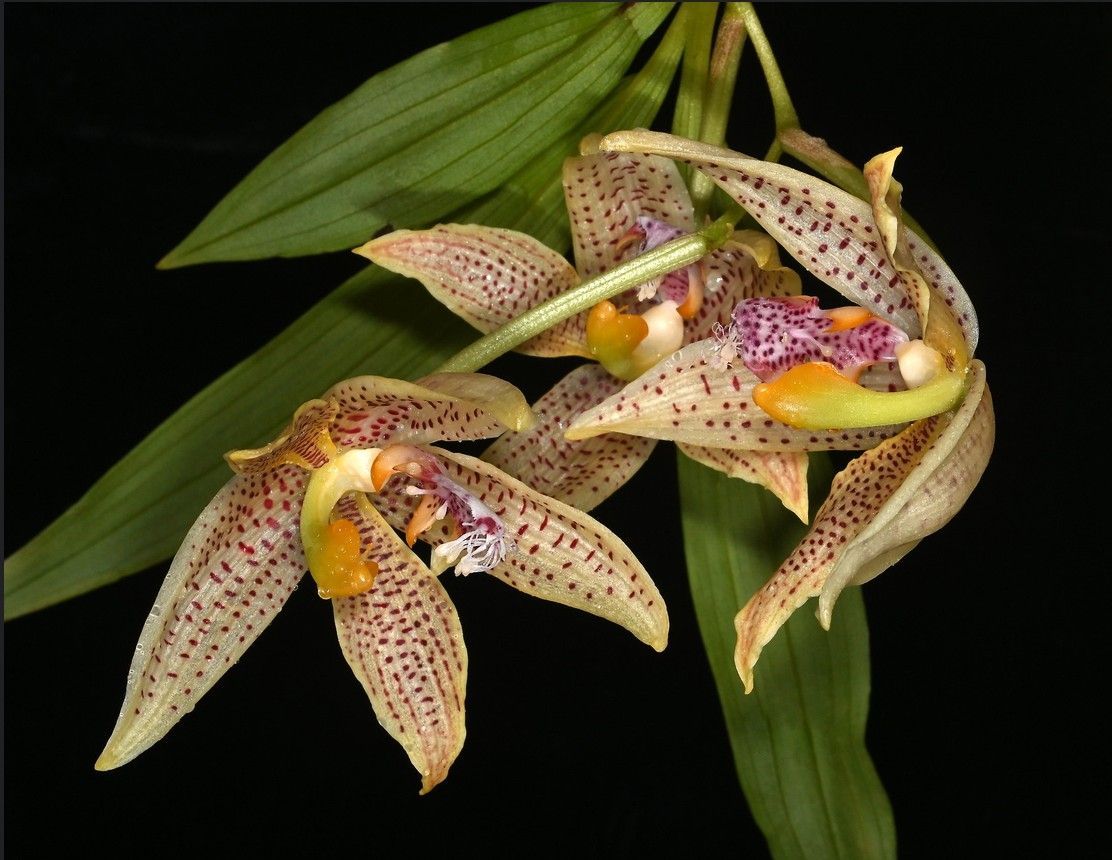
Paphinia rugosa
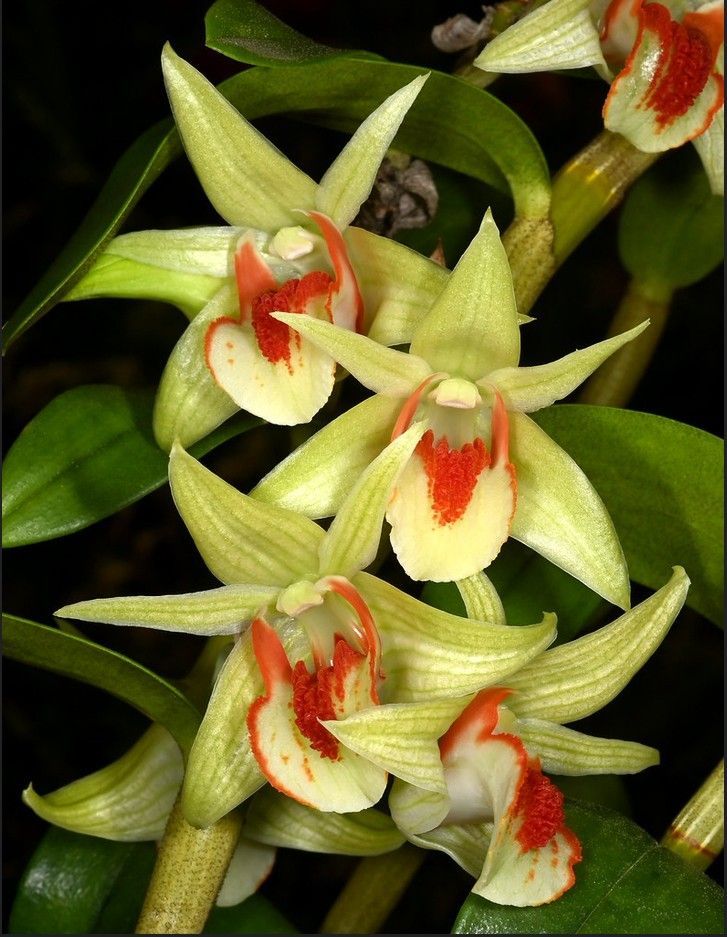
Dendrobium cruentum