Cattleya intermedia

October 29, 2025

Cattleya intermedia 

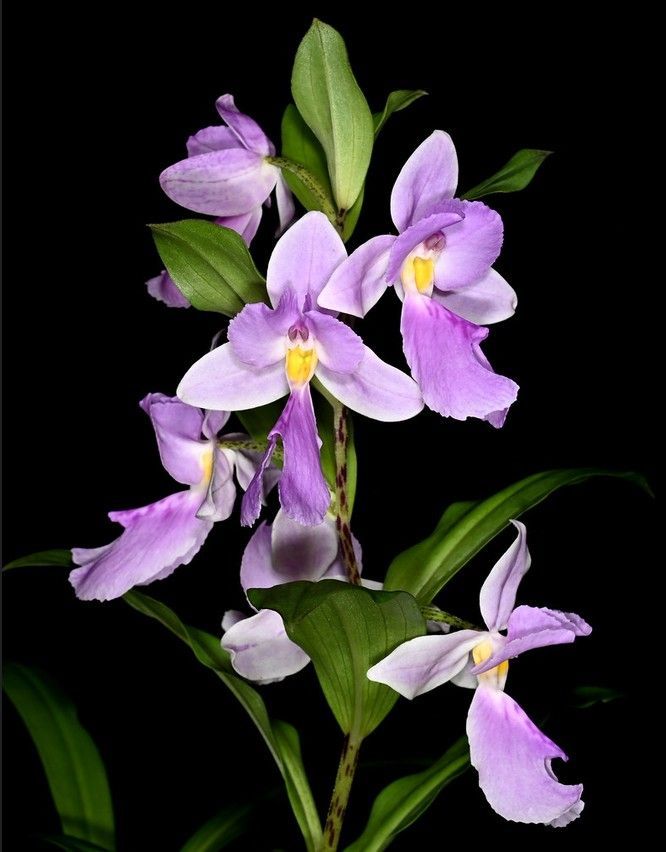
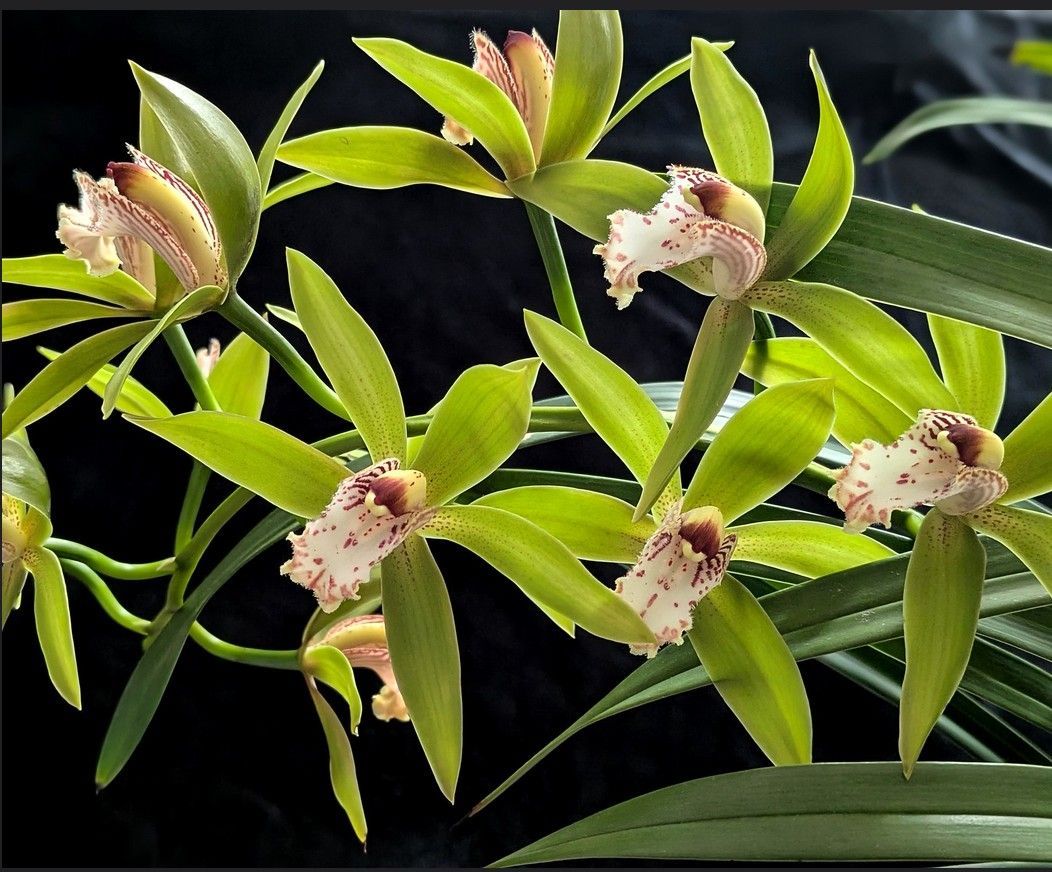
Cattleya intermedia is found in Brazil, Uruguay, and Paraguay. Plants are most often found in forests within a few miles of the coast and on nearby offshore islands in coastal or streamside swamps near sea level, but they are sometimes found at 300 meters (1,000 feet). Although sometimes described as fragrant, flowers usually have little discernible odor. This species is so variable that there are many named varieties, with even more horticultural varieties that are formally described. Plants bloom in spring, and a second flowering occasionally occurs in the autumn. Water and fertilizer should be decreased in winter with winter light as high as possible, short of burning the leaves. Plants are usually grown in pots or baskets filled with a very coarse, open fast fast-draining medium. Place in undersized pots that have room for only one to two years’ growth, so the medium does not stay wet for too long.
Photographer: Ron Parsons (www.flickr.com/photos/rpflowershots
Grower: Susan Anderson
Info: Charles Baker culture sheet www.orchidculture.com
By Sandra Svoboda June 29, 2026
Epipactis gigantea
By Sandra Svoboda June 20, 2026
Myrmecophila brysiana
By Sandra Svoboda June 4, 2026
Coelogyne xyrekes
By Sandra Svoboda May 23, 2026
Cattleya lueddemanniana
By Sandra Svoboda May 14, 2026
Warczewiczella discolor
By Sandra Svoboda May 3, 2026
Cleisocentron kinabaluense
By Sandra Svoboda April 29, 2026
Thelymitra crinita is endemic to Western Australia at elevations of sea level to 350 meters in coastal and near coastal forests and woodlands as a small to large-sized, cold-growing terrestrial that blooms in the spring. Grow plants of Thelymitra in small pots with sandy loam. Provide intermediate temperatures and very bright light levels. Most species of Thelymitra exhibit a strong dormancy period after flowering. Water regularly during active growth and begin to withhold water upon flowering. After flowering, withhold all water until the onset of new vegetative growth. Some species, however, grow in permanently moist habitats. In nature, many species have enhanced flowerings following fire. Photographer: Ron Parsons (www.flickr.com/photos/rpflowershots) Info: Internet Orchid Species Photo Encyclopedia (www.orchidspecies.com and The AOS (https://www.aos.org/explore/thelymitra)
By Sandra Svoboda April 26, 2026
The body content of your post goes here. To edit this text, click on it and delete this default text and start typing your own or paste your own from a different source.
By Sandra Svoboda April 25, 2026
Masdevallia deformis is endemic to Ecuador. This miniature-sized, cool to cold growing epiphytic species occurs on the eastern slopes of the Andes, found at 2,400 to 2,700 meters (7,850 to 8,850 feet) in cloud forests. One showy blossom is carried on each inflorescence and blooms year-round. Grow in pots using an open, fast-draining medium that contains materials that retain some moisture. Repot yearly in late winter or early spring. Water and fertilizer may be reduced until spring but never allow them to dry out completely. Photographer: Ron Parsons (www.flickr.com/photos/rpflowershots) Grower: Ron Parsons Info: Charles Baker culture sheet www.orchidculture.com and Internet Orchid Species Photo Encyclopedia (www.orchidspecies.com
By Sandra Svoboda April 14, 2026
Vanda barnesii is found in the Philippines on Luzon Island at elevations of 1200 to 1600 meters as a small-sized, cool-growing epiphyte that blooms in the spring on a long, 11-flowered inflorescence. It requires well-draining media in baskets. Three to five waterings per week (let dry lightly between waterings. Photographer: Ron Parsons (www.flickr.com/photos/rpflowershots) Grower: Marni Turkel/Mostly Species Orchids (www.marniturkel.com/mostlyspecies.html) Info: Internet Orchid Species Photo Encyclopedia (www.orchidspecies.com) and Andy’s Orchids (andysorchids.com)