
Cattleya acuensis
October 24, 2025
Cattleya acuensis
Cattleya acuensis is endemic to Brazil. They grow on moss or lichen-covered creekside trees in short, narrow ravines that extend down the mountainside for 200–300 meters (650–1,000 feet) to 1,950–2,070 meters (6,400–6,800 feet). Fowlie (1975) noted that plants in the habitat growing fully exposed to early morning and late afternoon sun were blooming while those in deep shade had no flowers and were not growing very well. In the habitat, they bloom in the late spring. Reduce water and stop fertilizing in the winter, but do not let them remain dry for long periods.
Photographer and grower: Ron Parsons (www.flickr.com/photos/rpflowershots
Info: Charles Baker culture sheet www.orchidculture.com
Photographer and grower: Ron Parsons (www.flickr.com/photos/rpflowershots
Info: Charles Baker culture sheet www.orchidculture.com
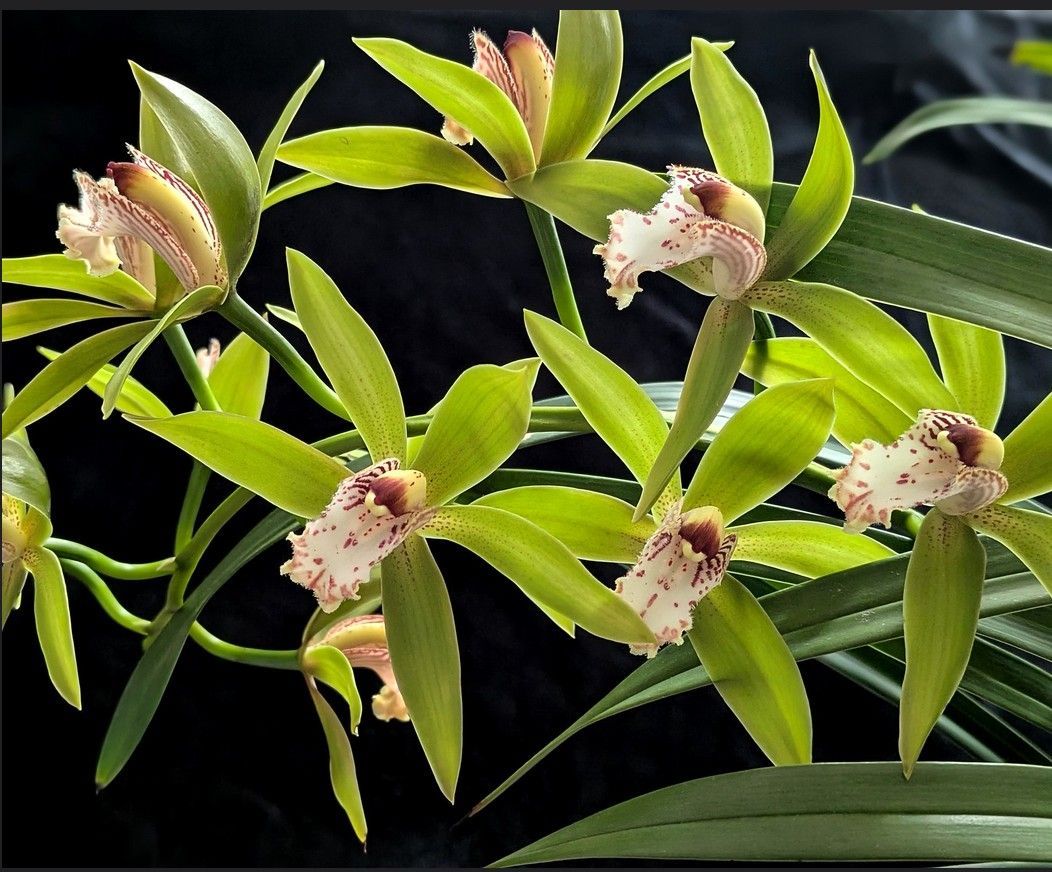
Cymbidium wilsonii
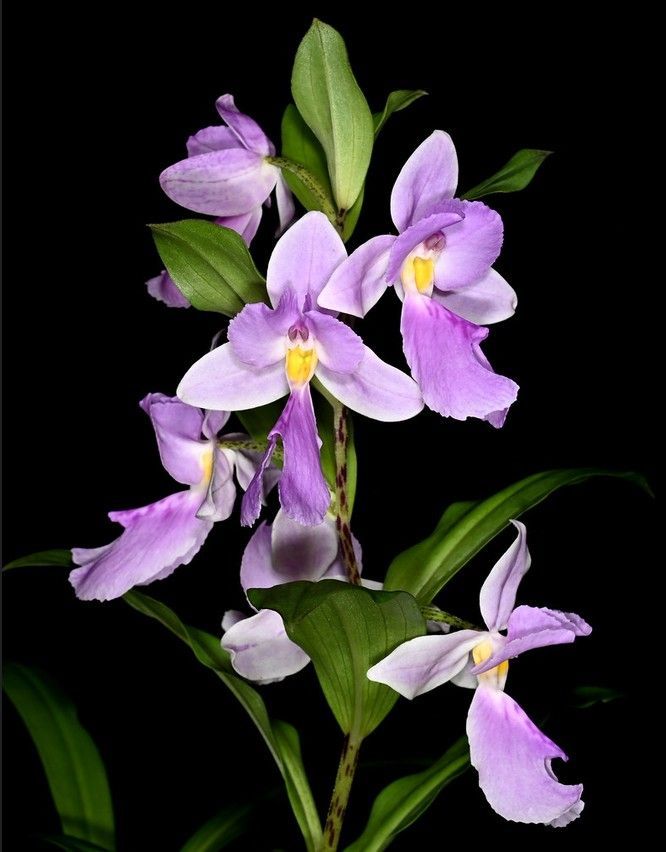
Brachycorythis kalbreyeri

Acianthera nikoleae
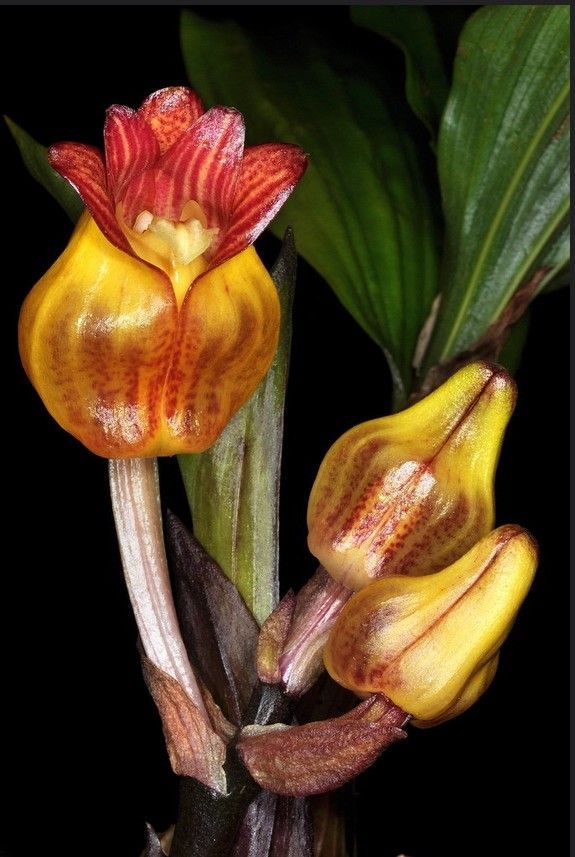
Acanthophippium mantinianum
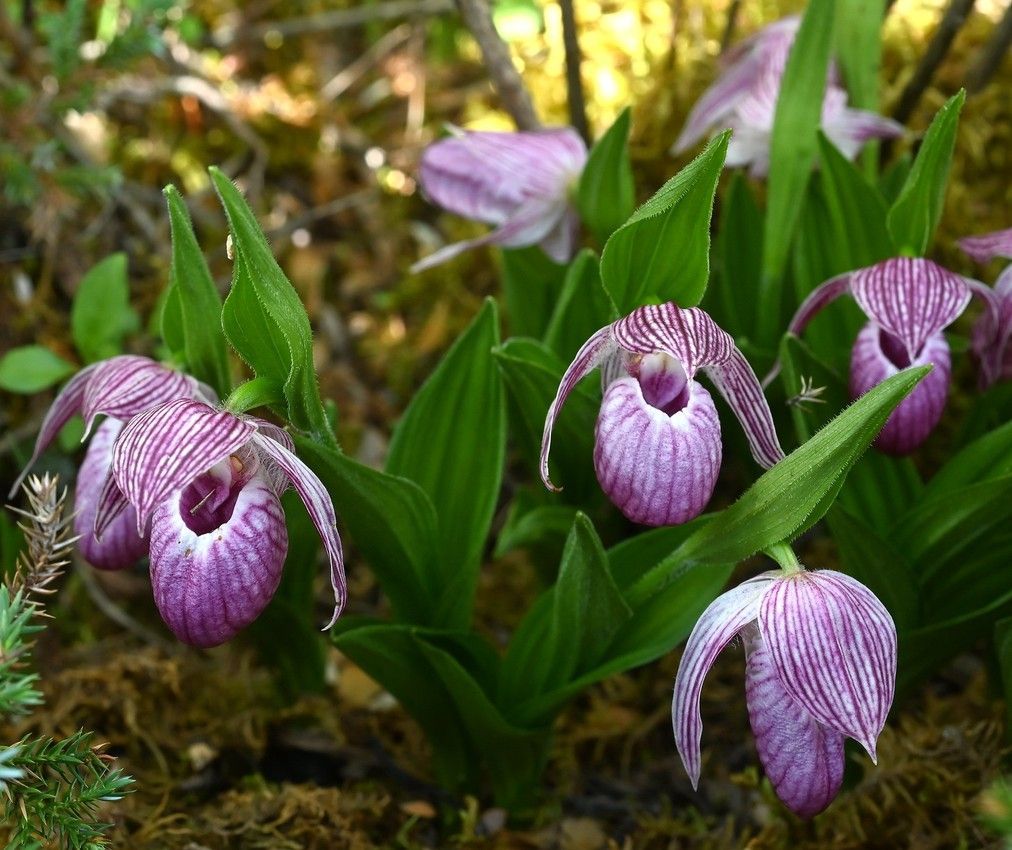
Cypripedium yunnanense
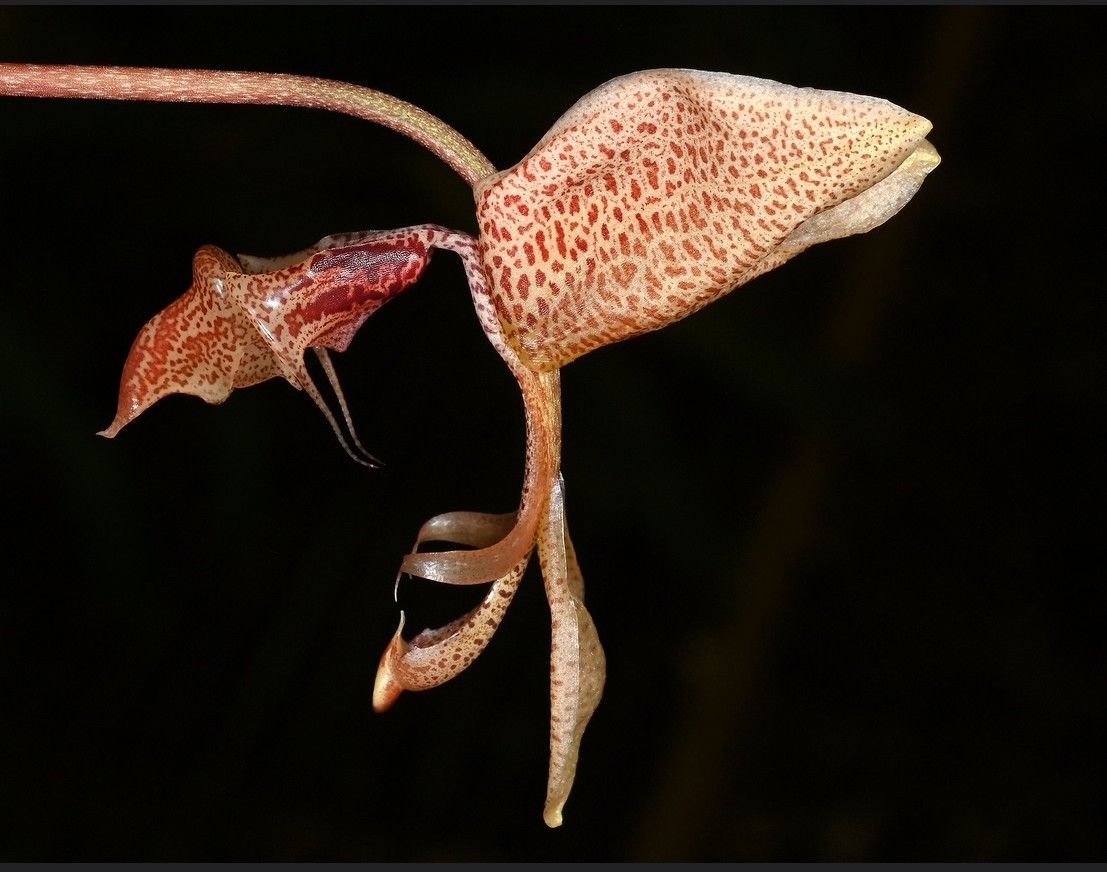
Gongora bufonia
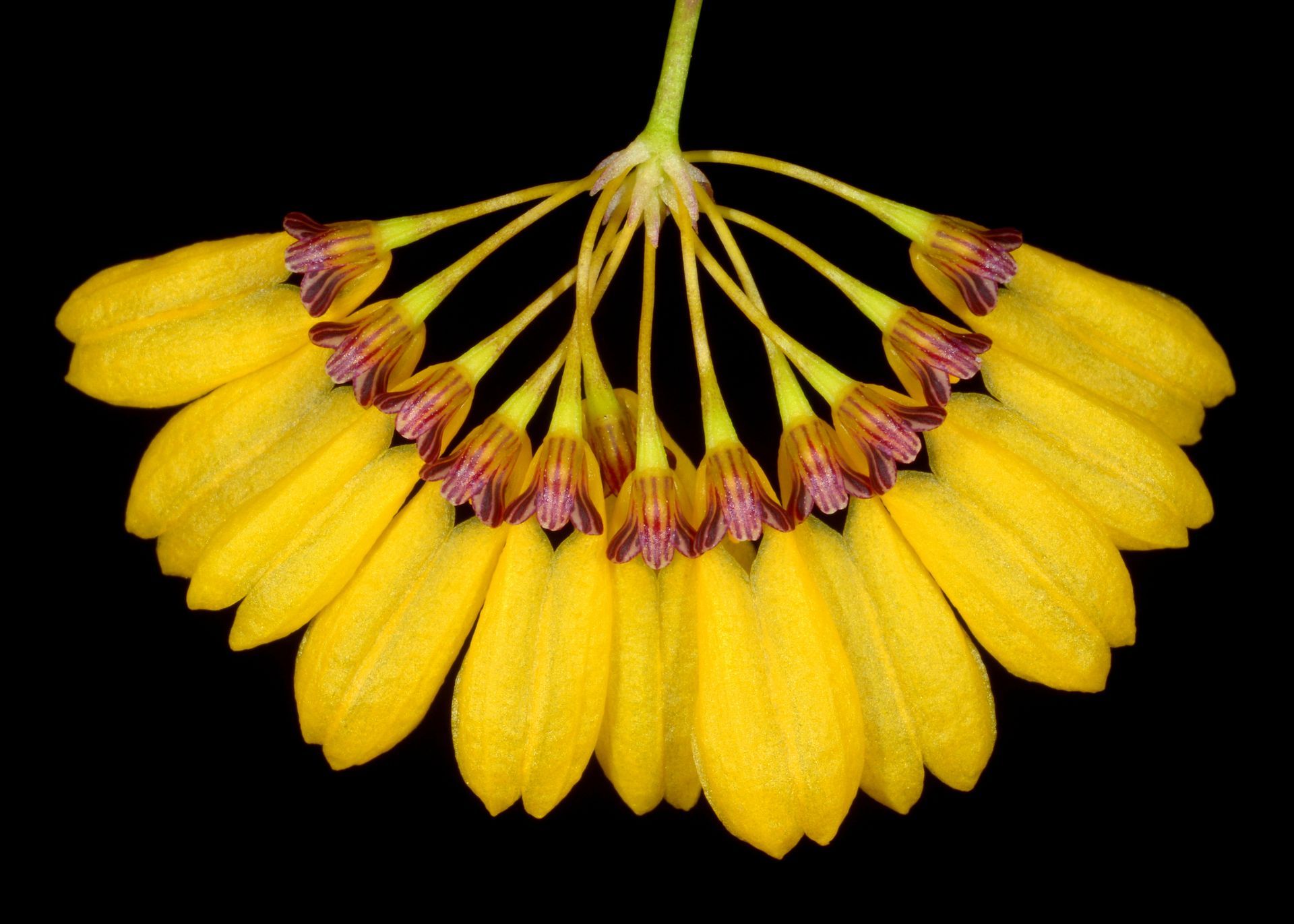
Bulbophyllum retusiusculum
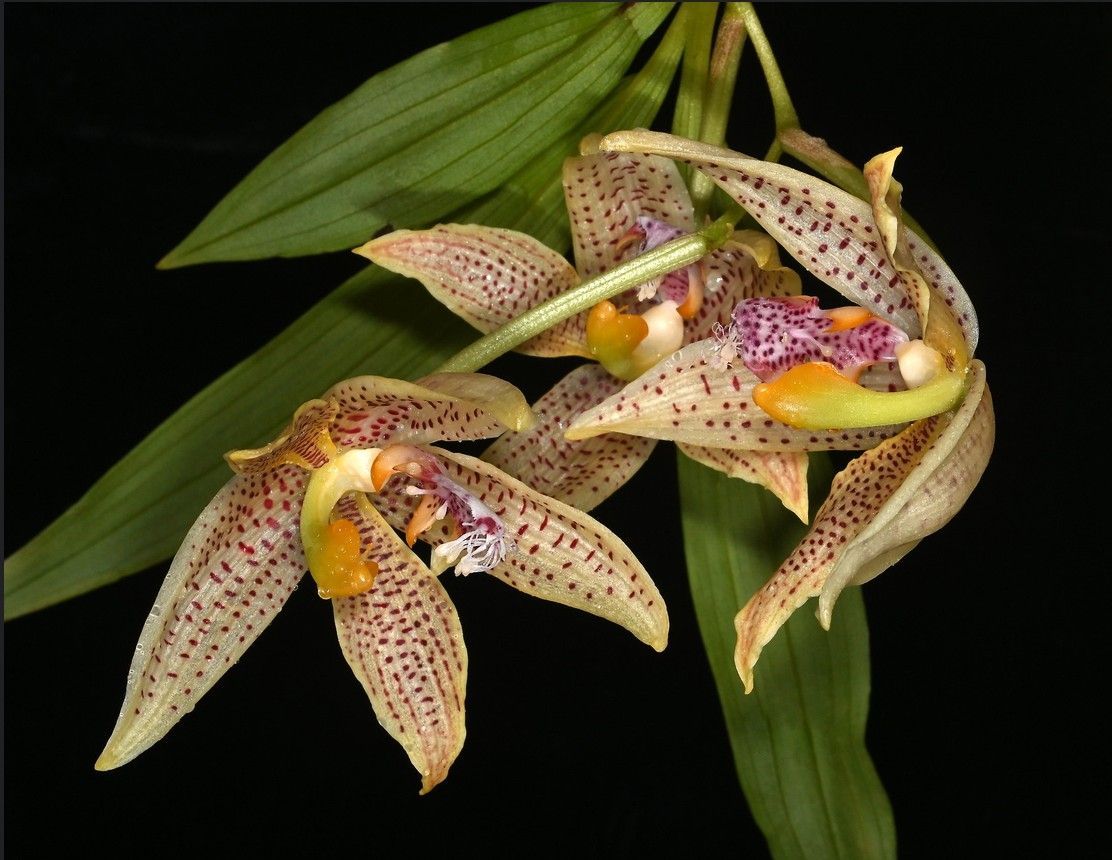
Paphinia rugosa
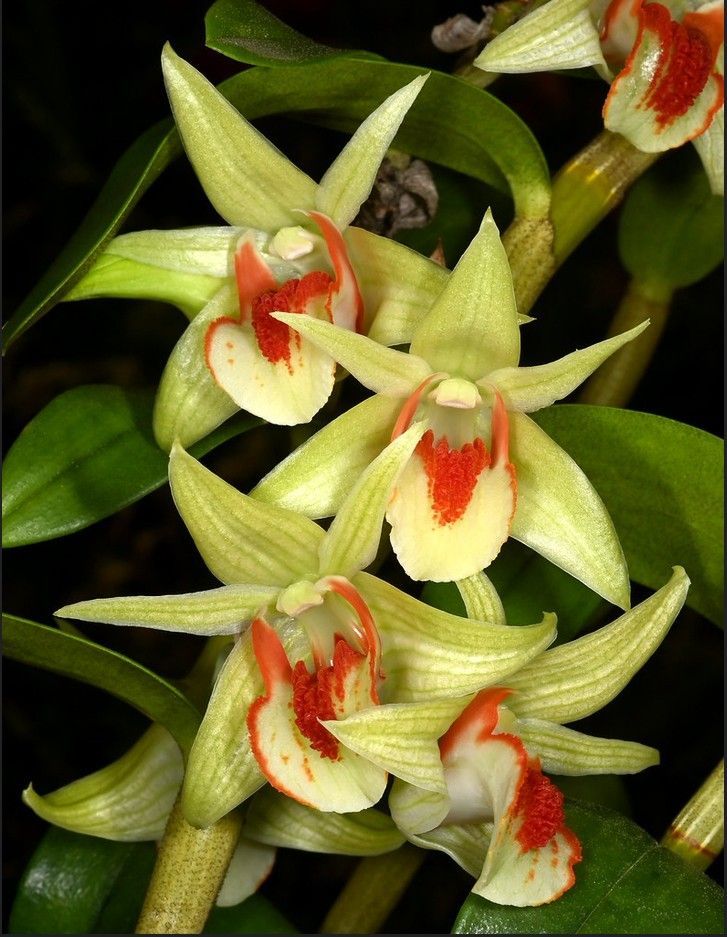
Dendrobium cruentum
Epipactis gigantea