Angraecum sesquipedale
March 10, 2026
Angraecum sesquipedale
This orchid is found in the hot lowlands along almost the entire east coast of Madagascar. The Plants grow on the trunks of trees in light shade or diffused light at the edge of woods, usually at less than 100 meters (350 feet). They are always found in locations where there is plenty of air movement and are found most often on sloping tree trunks and crotches with roots creeping over the bark and then dangling in the air, sometimes for several feet (meters). The plants grow in coastal areas with heavy annual rainfall that is fairly evenly distributed throughout the year, with no pronounced dry season. Angraecum sesquipedale is distinctive in that plants may start blooming when only 6-8 in. (15-20 cm) tall. Plants bloom from early winter into spring.
Photographer: Ron Parsons (www.flickr.com/photos/rpflowershots
Grower: William Baumgartl
Information: Charles Baker culture sheet www.orchidculture.com
Photographer: Ron Parsons (www.flickr.com/photos/rpflowershots
Grower: William Baumgartl
Information: Charles Baker culture sheet www.orchidculture.com
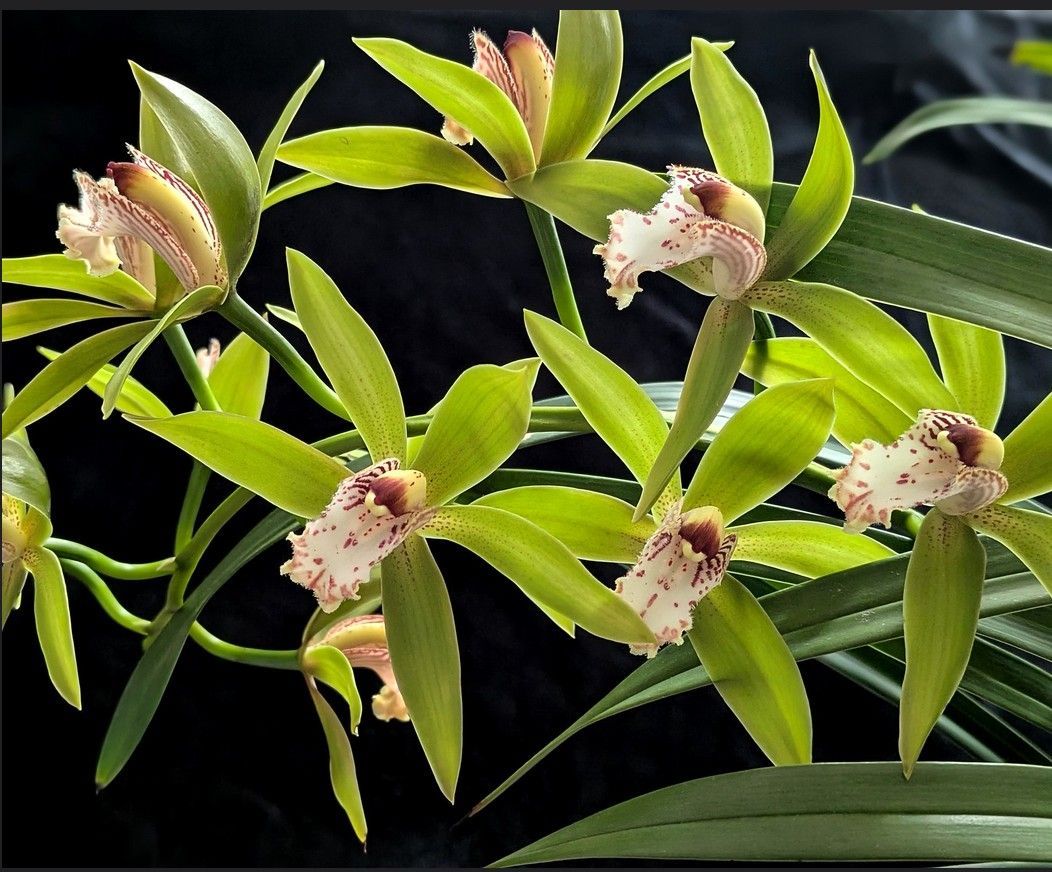
Cymbidium wilsonii
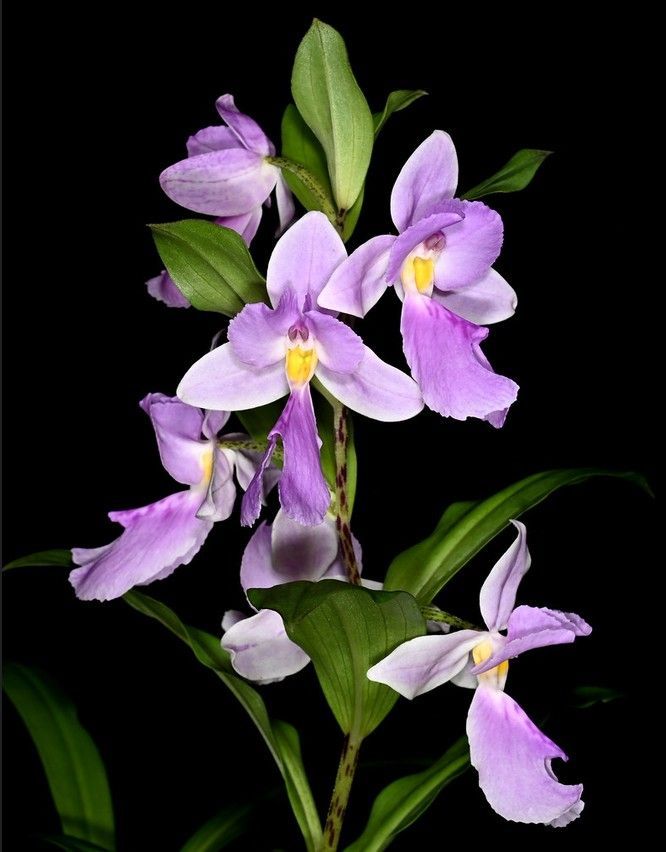
Brachycorythis kalbreyeri

Acianthera nikoleae
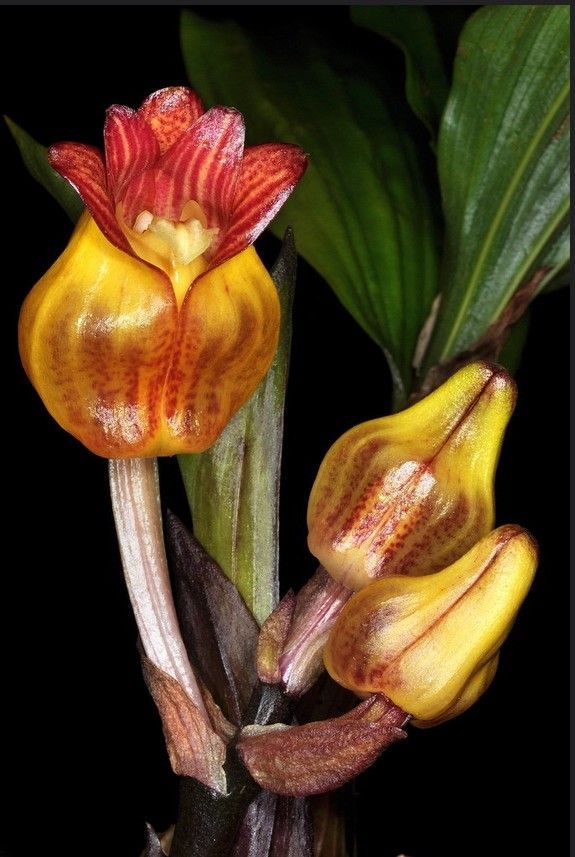
Acanthophippium mantinianum
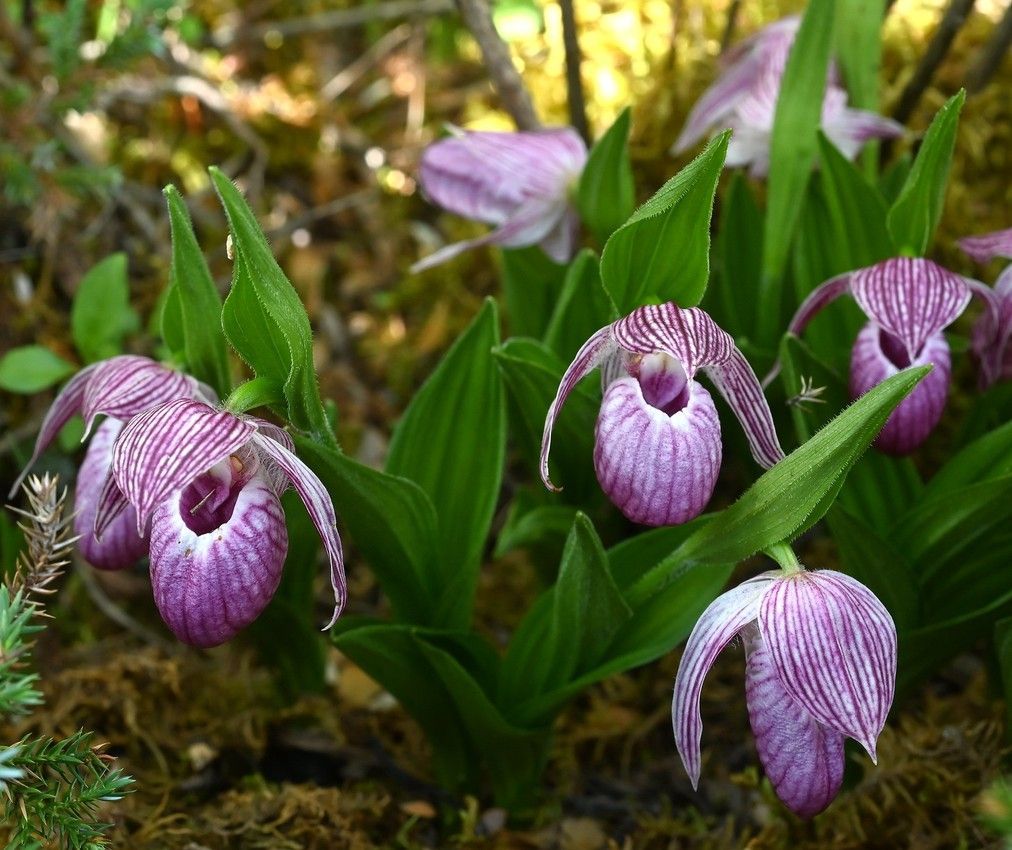
Cypripedium yunnanense
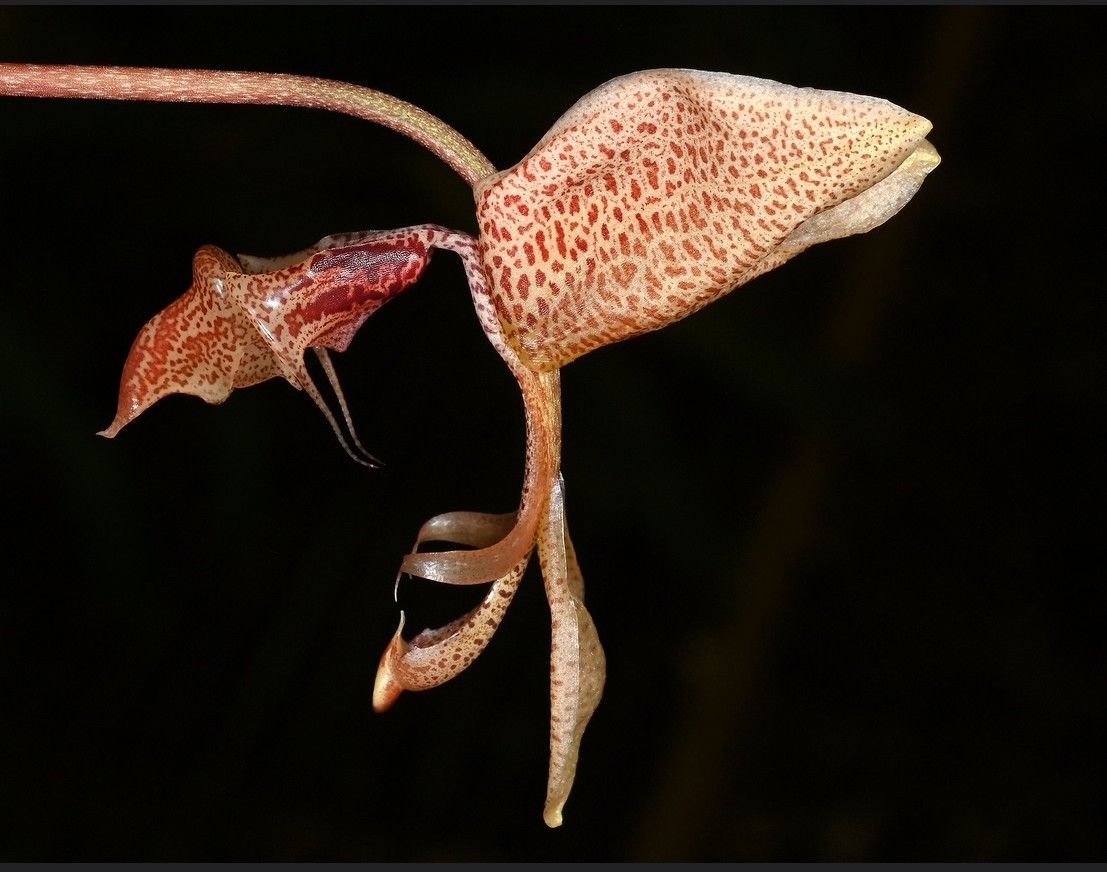
Gongora bufonia
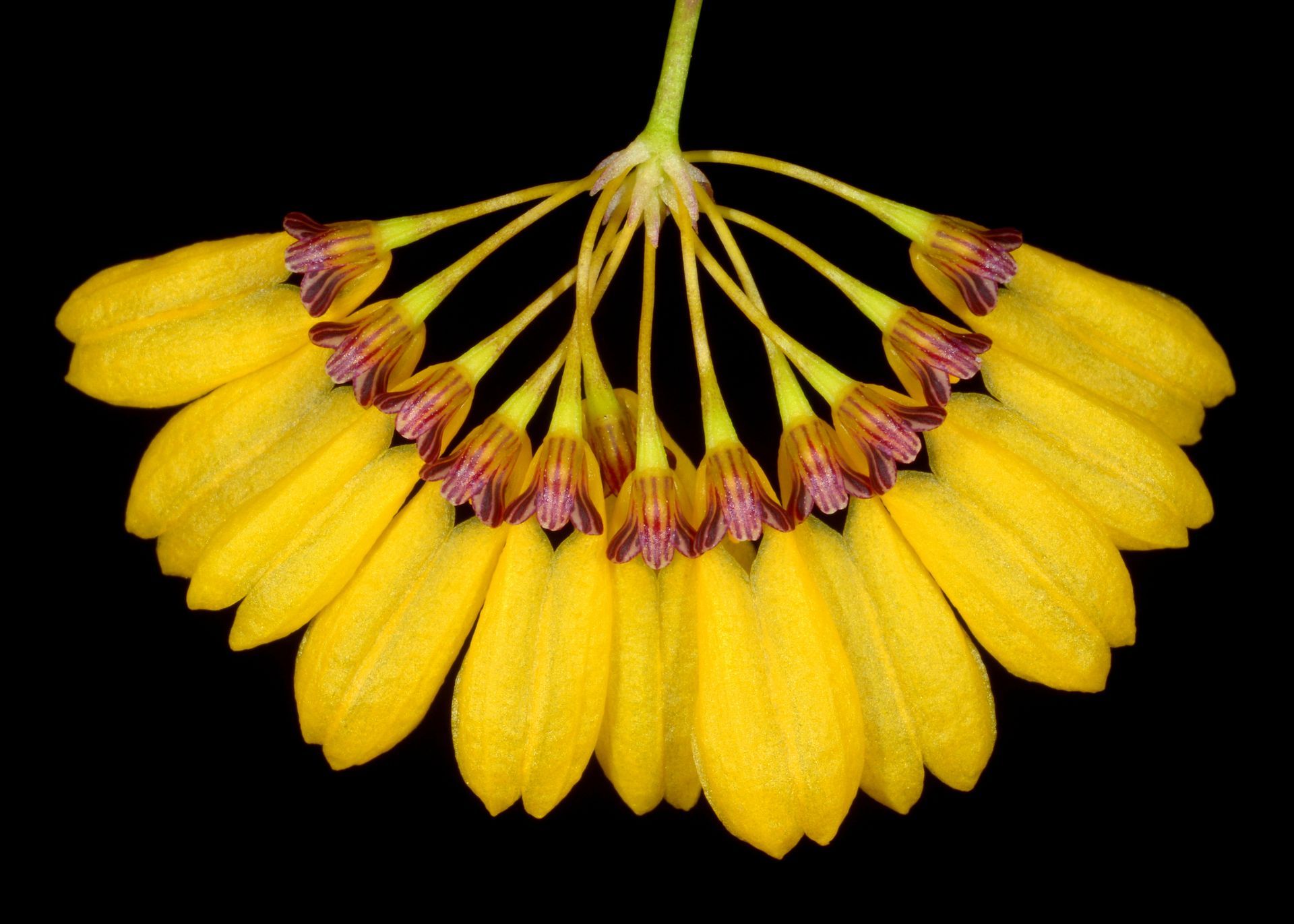
Bulbophyllum retusiusculum
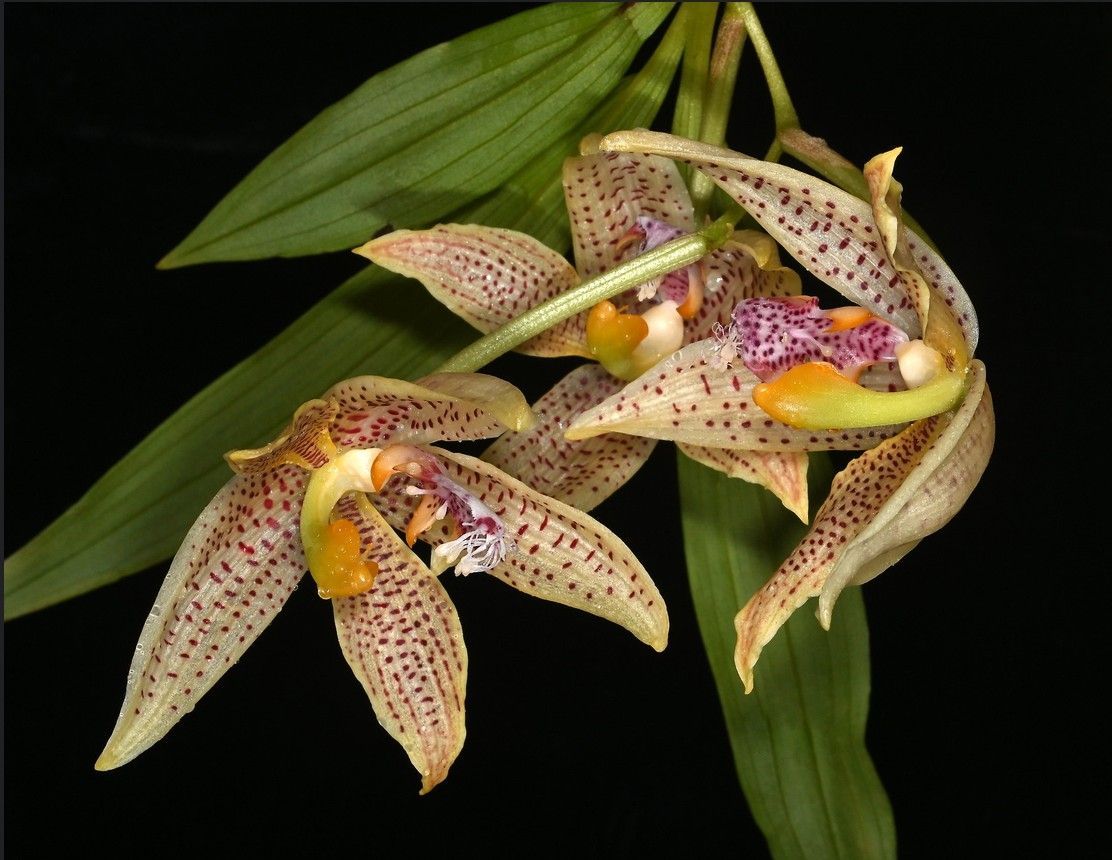
Paphinia rugosa
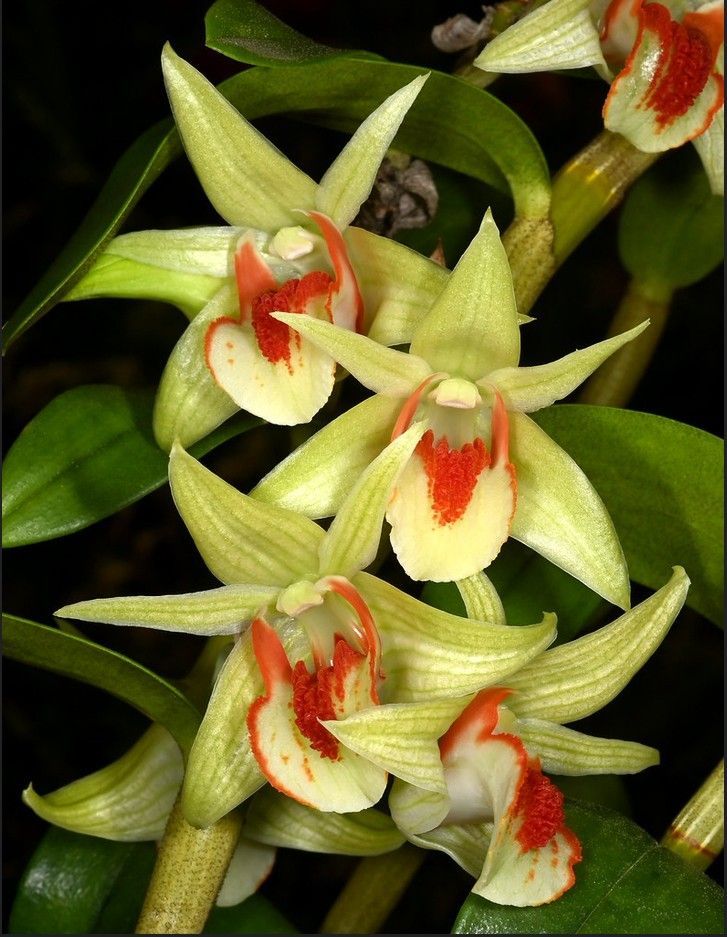
Dendrobium cruentum
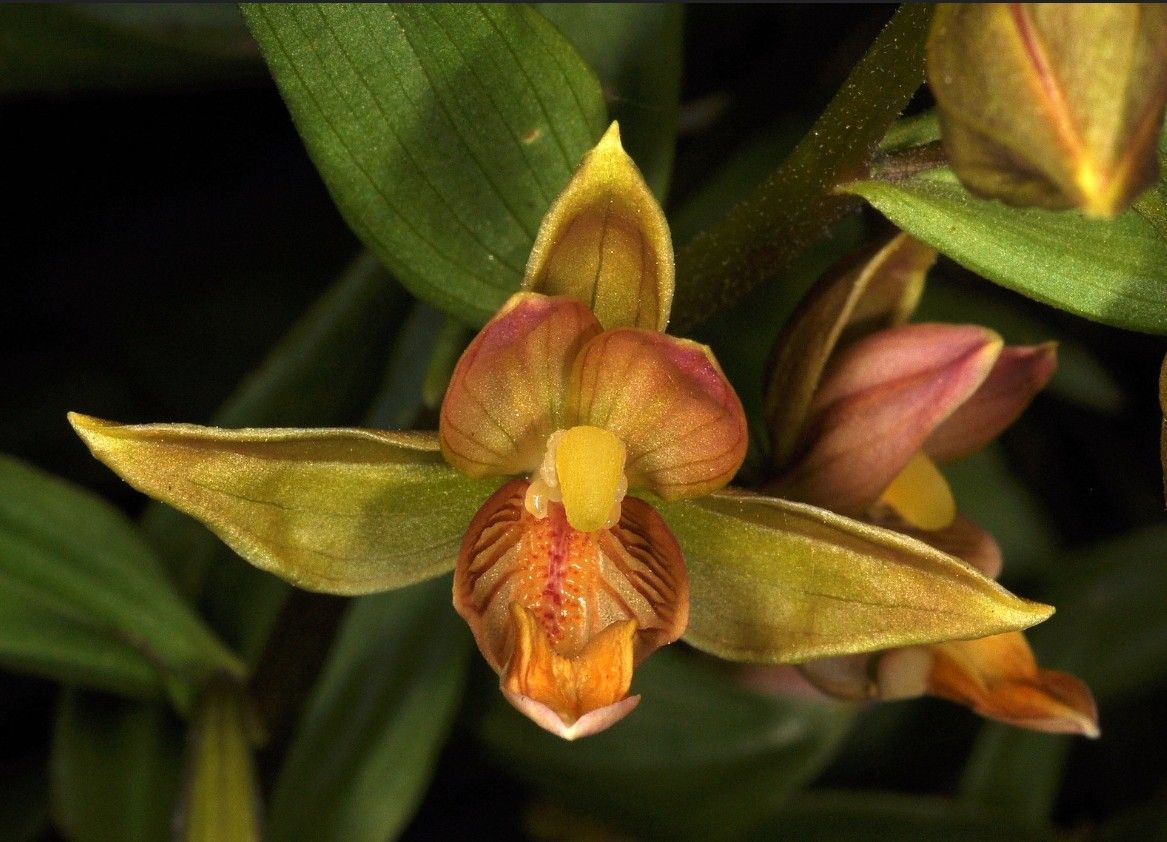
Epipactis gigantea