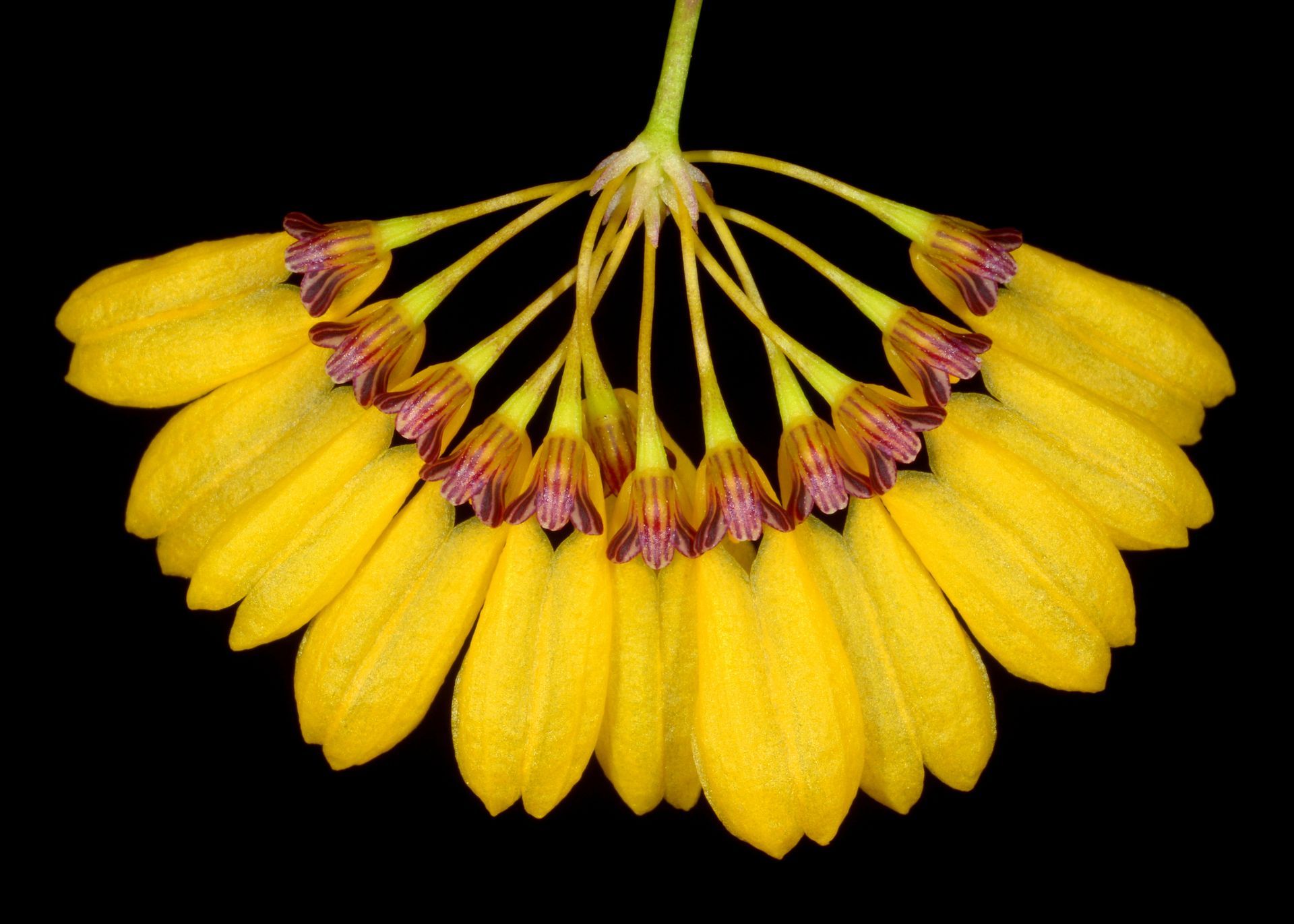
Cattleya wallisii

October 9, 2025

Cattleya wallisii 

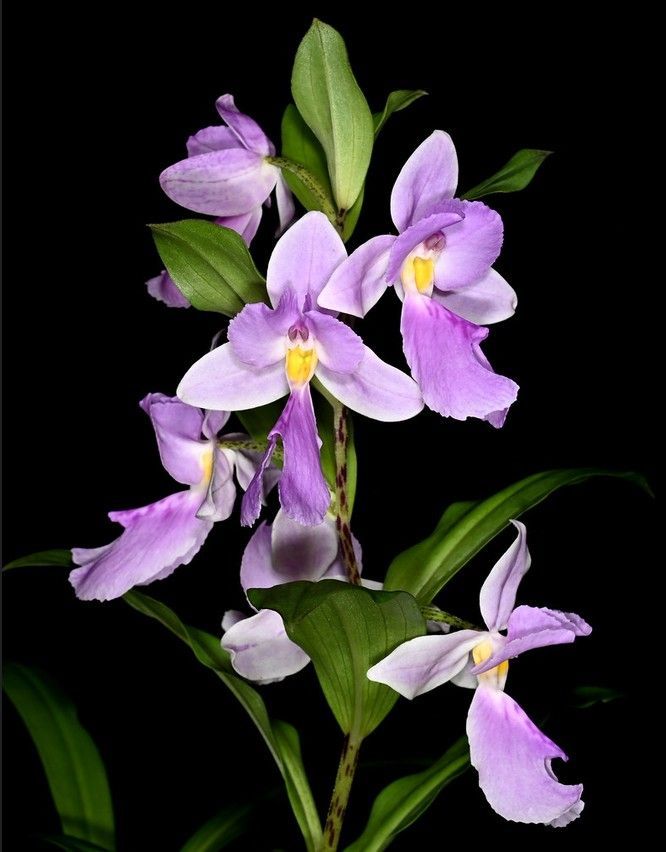
Cattleya wallisii is endemic to northern Brazil and grows in trees of hot, humid lowlands at 150 to 700 meters (500 to 2,300 feet). The sweetly fragrant flowers bloom in the summer. Cultivated plants should be watered every 2 to 3 weeks in the winter with additional early morning mistings every 3 to 4 days for plants mounted. Reduce fertilizer to every 2 to 3 weeks while water is reduced. Repotting should be done when new root growth is just starting.
Photographer: Ron Parsons (www.flickr.com/photos/rpflowershots
Grower: Kaiju Lyu
Info: Charles Baker culture sheet www.orchidculture.com
By Sandra Svoboda December 12, 2025
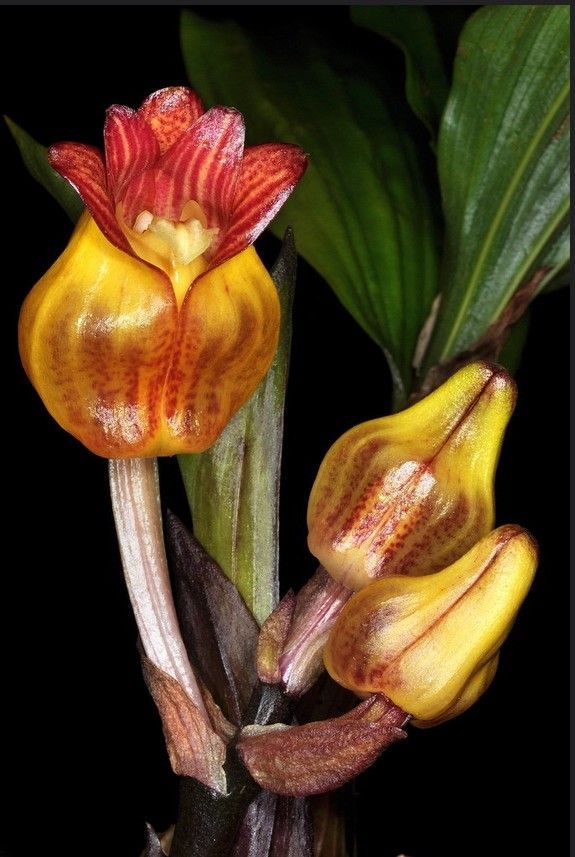
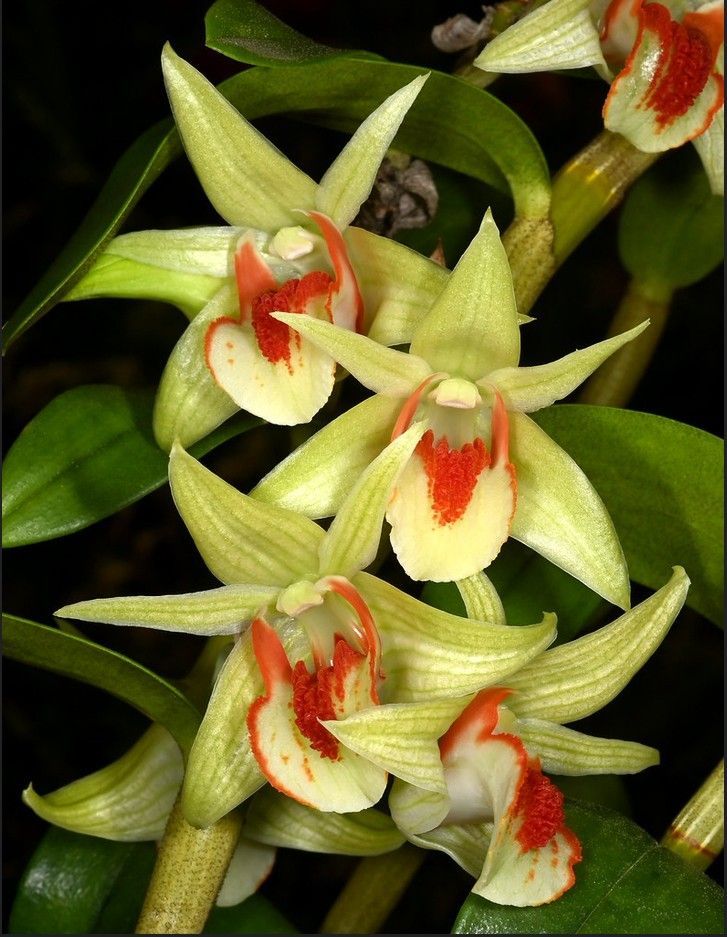
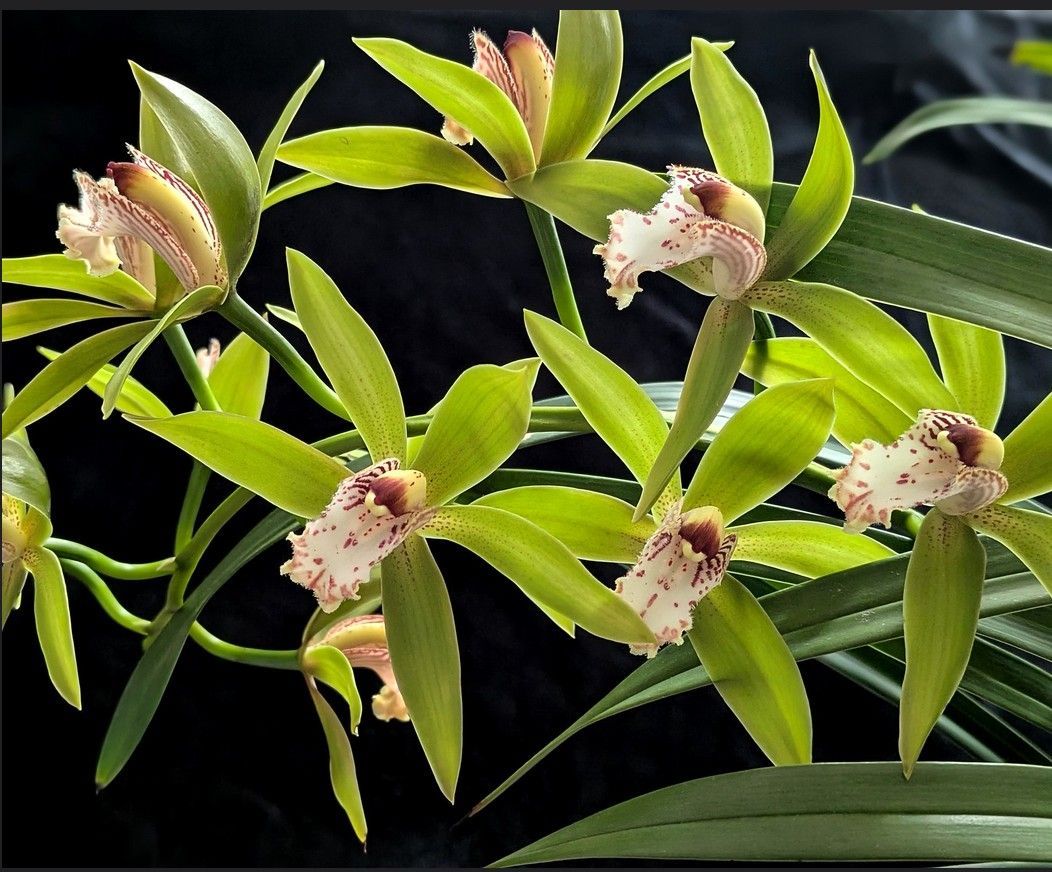
Dendrobium moorei is endemic to Australia. It is found on rocks, tree ferns, scrub, figs, and palms, as well as in the soil. They are most often found low on trees where light is relatively high. Although plants are more common above 1000 feet (300 meters), some are reported as low as 100 feet (30 meters). Collectors indicate that the best plants grow on tree ferns. A well-grown plant is usually in bloom. Water and fertilizer should be reduced, but never allow the plants to remain completely dry for long periods. Photographer: Ron Parsons (www.flickr.com/photos/rpflowershots Grower: Michael Matthews Info: Charles Baker culture sheet www.orchidculture.com
By Sandra Svoboda December 11, 2025
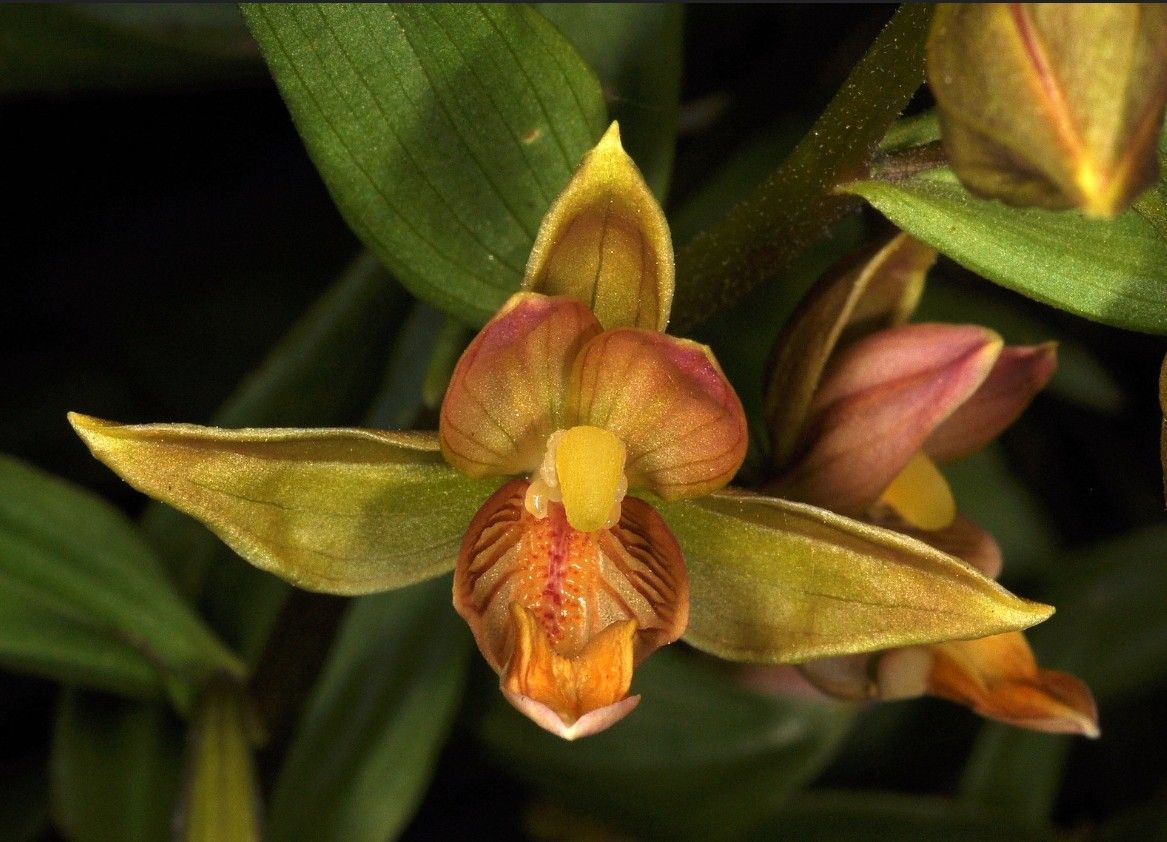
Dendrobium leporinum is found in the Moluccas and western New Guinea. No habitat elevation is available. Photographer: Ron Parsons (www.flickr.com/photos/rpflowershots Grower: Randy Peterson Info: Charles Baker culture sheet www.orchidculture.com
By Sandra Svoboda December 7, 2025
Dendrobium lasianthera
By Sandra Svoboda December 4, 2025
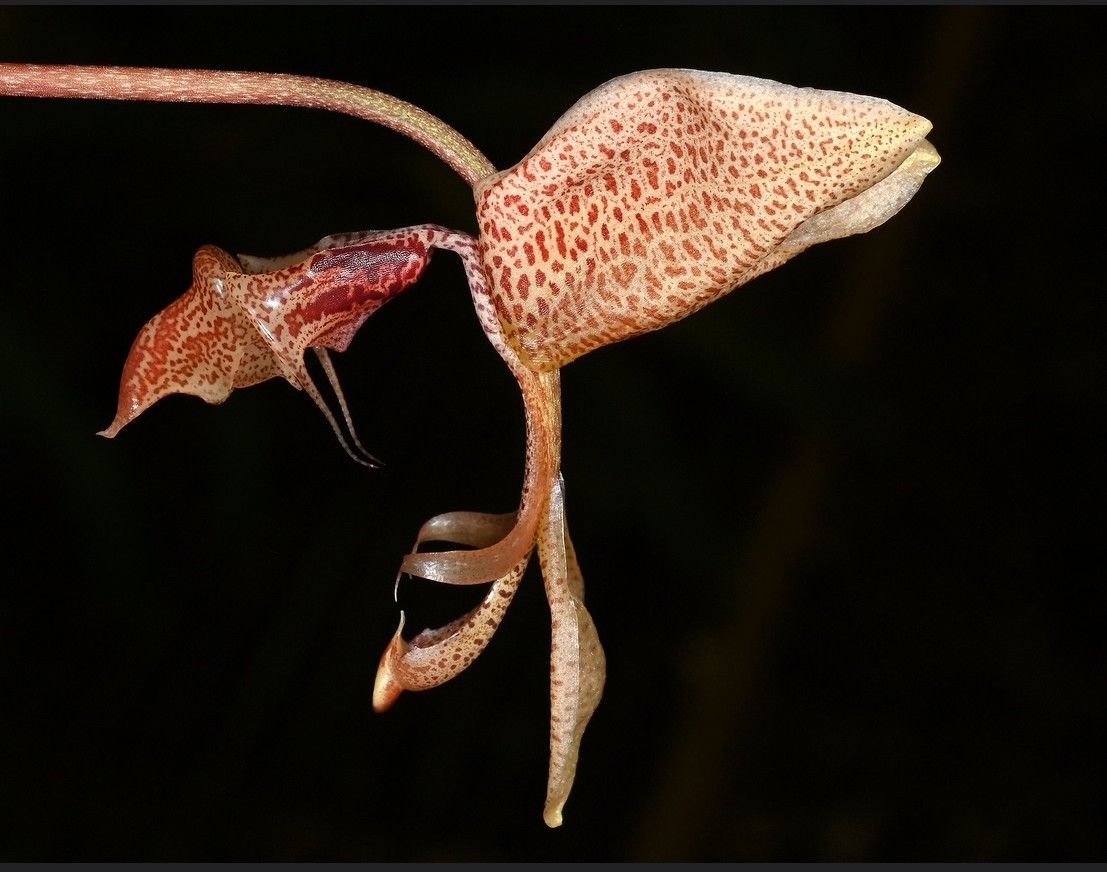
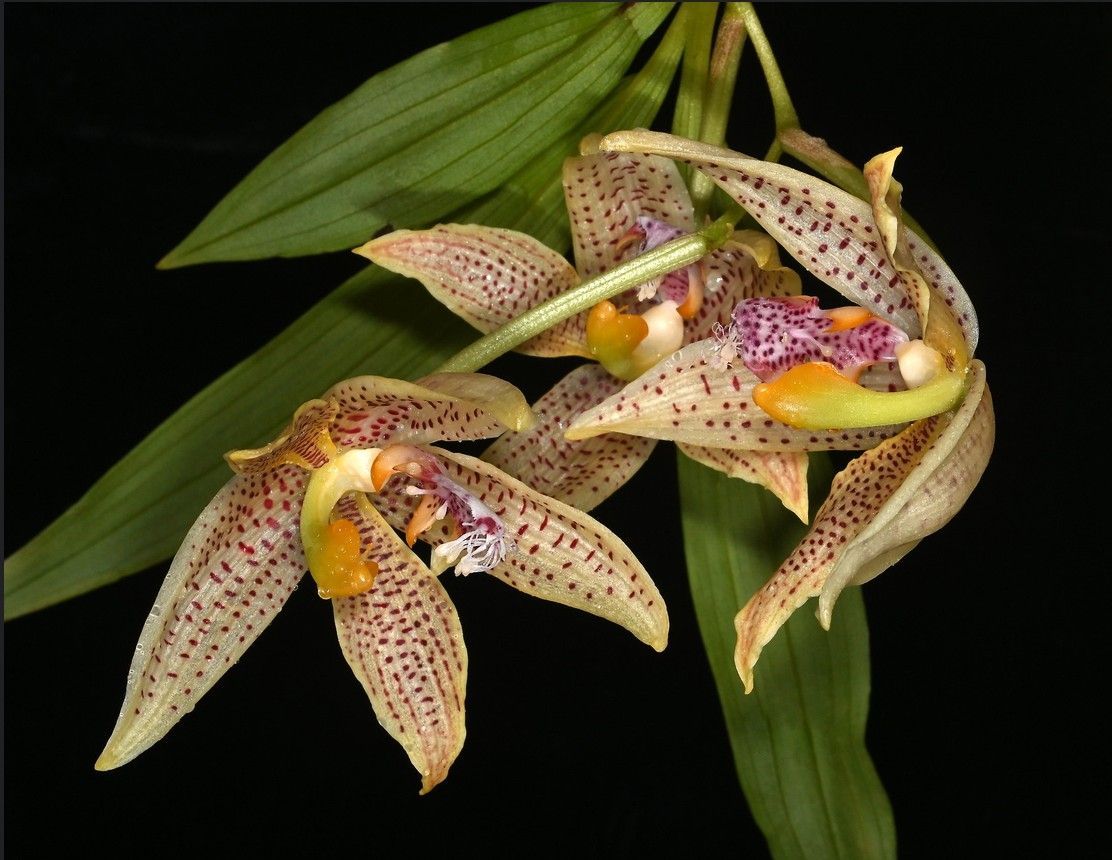
Stanhopea costaricensis is found in Nicaragua, El Salvador, Costa Rica, and Panama. Plants grow in intermediate evergreen or cloud and rainforests at 1,650 to 4,900 feet (500 to 1,500 meters) as a hot- to warm-growing epiphyte in moist, mist forest habitat. It blooms in the last spring and early summer with fragrant flowers. Plants are best grown mounted or in wire hanging baskets to accommodate the pendent inflorescences. Repotting should be done when new root growth is just starting. Growers report that Stanhopea are reluctant bloomers if given insufficient light, but the foliage is prone to burning or yellowing if light is too bright. Strong air movement is critically important. Photographer: Ron Parsons (www.flickr.com/photos/rpflowershots Grower: Orchid Species Plus Info: Charles Baker culture sheet www.orchidculture.com and Internet Orchid Species Photo Encyclopedia www.orchidspecies.com
By Sandra Svoboda December 3, 2025
Acineta is a genus with 14 accepted species. Acineta superba is found in Venezuela, Colombia, Ecuador, and Peru in seasonally dry cloud forest at 930 to 2,100 meters (3,050 to 6,900 feet. It can have from 5 to 30 large, fleshy, heavily waxy, and spicily fragrant flowers which bloom in the late winter and spring. These plants should be grown mounted or in a hanging basket to accommodate the pendant inflorescence. It should be given a short, dry winter rest. Photographer: Ron Parsons (www.flickr.com/photos/rpflowershots Grower: Orchid Species Plus Info: Charles Baker culture sheet www.orchidculture.com and Internet Orchid Species Photo Encyclopedia www.orchidspecies.com
By Sandra Svoboda November 30, 2025
Dendrobium limpidum is endemic to Papua New Guinea and found at 1,500 to 2,100 meters in wet, montane forests. It is a Miniature to small-sized, cool- to cold-growing epiphyte or lithophyte that blooms at most any time of the year. Photographer: Ron Parsons (www.flickr.com/photos/rpflowershots Grower: John Leathers Info: Internet Orchid Species Photo Encyclopedia www.orchidspecies.com
By Sandra Svoboda November 29, 2025
Sarcochilus falcatus is endemic to Australia and found from 100 to 1,400 meters (328 to 4,593 feet) on rainforest trees with exposure to fairly bright light and strong air movement. These plants, which grow in areas that are always very moist, are often found near gorges and ridge tops where winds and updrafts laden with clouds, mist, and drizzle are common. They appear to be found most frequently in areas in which the soil and rocks are of volcanic origin. The strongly fragrant blossoms open in the spring and last 2-3 weeks. They have an odor described as somewhat like vanilla. Photographer: Ron Parsons (www.flickr.com/photos/rpflowershots Grower: Mike Harrison Info: Charles Baker culture sheet www.orchidculture.com
By Sandra Svoboda November 27, 2025
Orchids can be beautiful, and some can make you laugh! Have to love that about orchids! Here is one to make you smile. Calochilus campestris is a small-sized, cold-growing terrestrial from eastern Australia and New Zealand occurring in open forest and heathland in moist to well-drained soils at elevations of sea level to 500 meters that flowers in the spring and early summer. Photographer: Ron Parsons (www.flickr.com/photos/rpflowershots Taken in situ Info: Internet Orchid Species Photo Encyclopedia www.orchidspecies.com
By Sandra Svoboda November 24, 2025
Pecteilis radiata, formerly Habenaria radiata, is also called the White Egret Orchid. It is found in western China, Japan, and Korea in forest glades at 1,500 meters (4.921 feet) as a small- to medium-sized cold-growing terrestrial that blooms in the summer. Photographer: Ron Parsons (www.flickr.com/photos/rpflowershots Grower: Anna Chai Info: Internet Orchid Species Photo Encyclopedia www.orchidspecies.com
By Sandra Svoboda November 21, 2025
Dendrobium aurantiiroseum is endemic to New Guinea, growing epiphytically in loose moss in shady, mountain habitats from 2,100 to 2,250 meters (6,900 to 11,000 feet) that blooms in the winter and spring. Though beautiful, this species is reportedly very slow-growing and difficult to cultivate. Growing conditions should be maintained year-round. Photographer: Ron Parsons (www.flickr.com/photos/rpflowershots Grower: John Leathers Info: Charles Baker culture sheet www.orchidculture.com