Cattleya jongheana

November 6, 2020

Cattleya jongheana


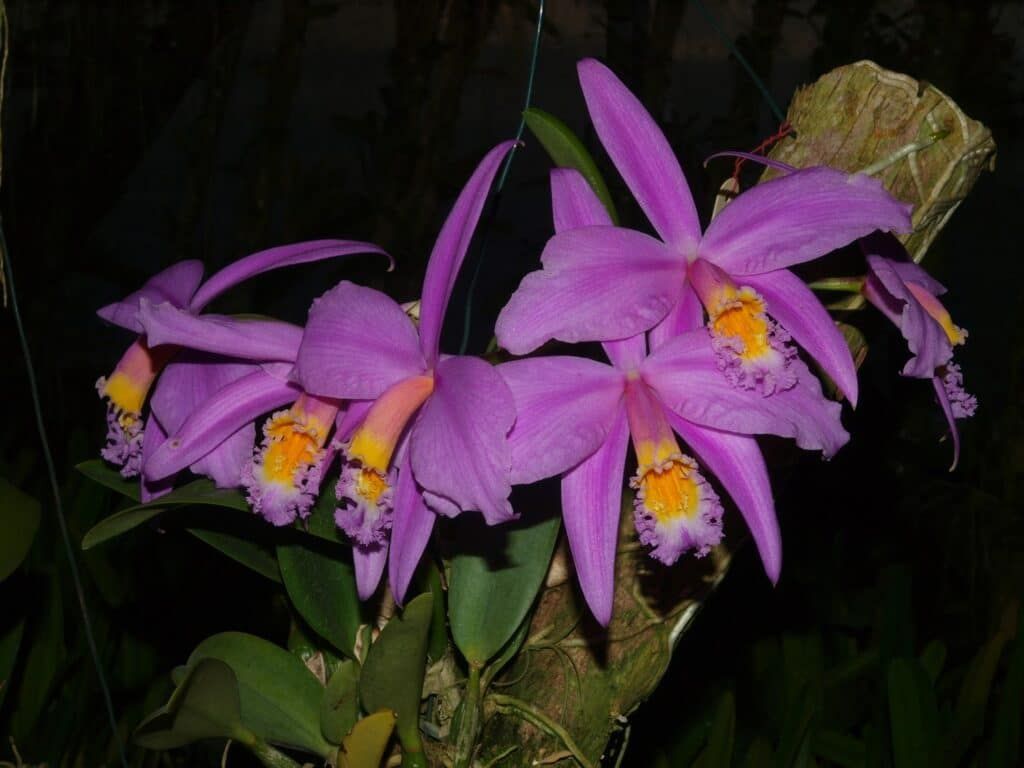
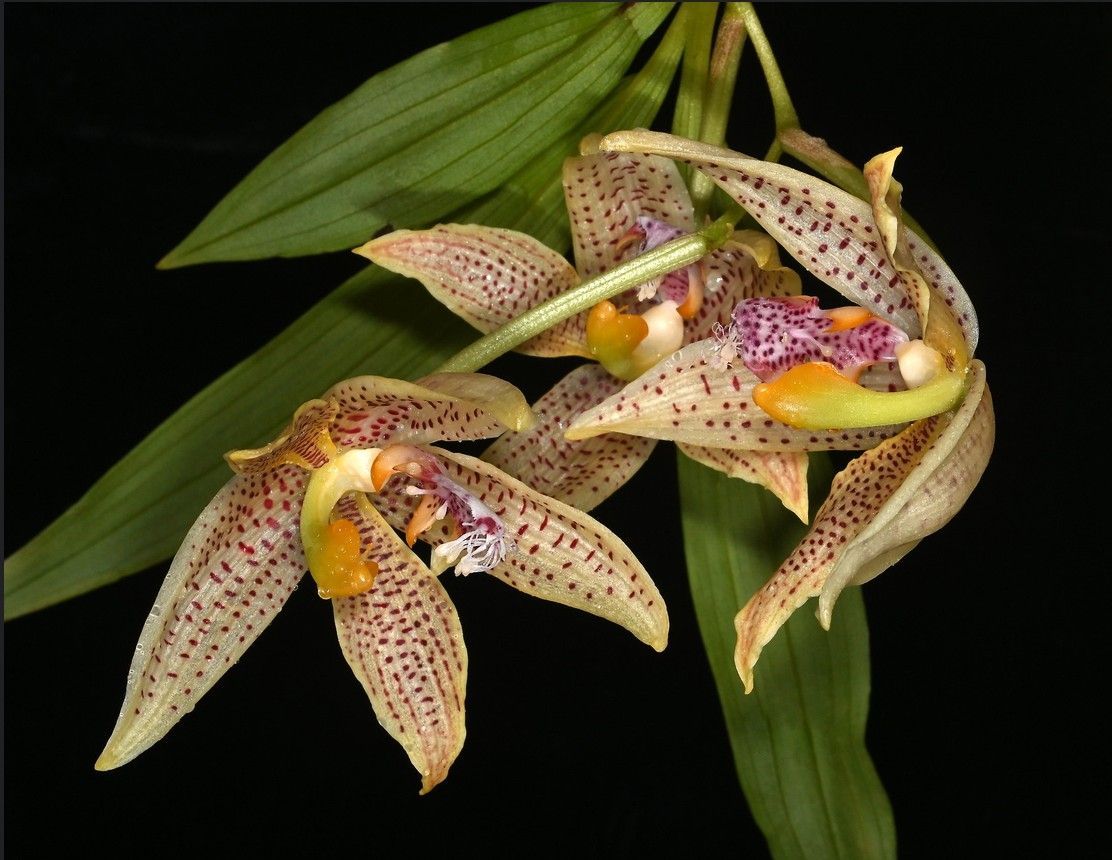
We hope that you joined us for the first Orchid Digest International Speakers Day held on Saturday, October 31, 2020. Alek Zaslawski of AWZ Orguídeas in Vitória, Brazil, was one of four fabulous speakers! The topic of his presentation was “The Beautiful Brazilian Mountains and the Orchid that Grow There.” Cattleya jongheana (synonym Laelia jongheana ) is found in the Brazilian state of Minas Gerais, a large inland state in southeastern Brazil at elevations of 1,300 to 1,600 meters (4,265 to 5,249 feet). It blooms in late winter until spring. The flowers range from four to six inches (seven to 16 cm). Grow this orchid in cool to cold temperatures with a temperature drop at night. It is best to water in the afternoon and should not dry out. Provide high humidity (especially at night) and very good air circulation. It should be grown in cattleya light. It does best when mounted. Fertilize weekly.

The post Cattleya jongheana appeared first on Orchid Digest.

By Sandra Svoboda July 28, 2026
Paphinia rugosa
By Sandra Svoboda July 11, 2026
Dendrobium cruentum
By Sandra Svoboda June 29, 2026
Epipactis gigantea
By Sandra Svoboda June 20, 2026
Myrmecophila brysiana
By Sandra Svoboda June 4, 2026
Coelogyne xyrekes
By Sandra Svoboda May 23, 2026
Cattleya lueddemanniana
By Sandra Svoboda May 14, 2026
Warczewiczella discolor
By Sandra Svoboda May 3, 2026
Cleisocentron kinabaluense
By Sandra Svoboda April 29, 2026
Thelymitra crinita is endemic to Western Australia at elevations of sea level to 350 meters in coastal and near coastal forests and woodlands as a small to large-sized, cold-growing terrestrial that blooms in the spring. Grow plants of Thelymitra in small pots with sandy loam. Provide intermediate temperatures and very bright light levels. Most species of Thelymitra exhibit a strong dormancy period after flowering. Water regularly during active growth and begin to withhold water upon flowering. After flowering, withhold all water until the onset of new vegetative growth. Some species, however, grow in permanently moist habitats. In nature, many species have enhanced flowerings following fire. Photographer: Ron Parsons (www.flickr.com/photos/rpflowershots) Info: Internet Orchid Species Photo Encyclopedia (www.orchidspecies.com and The AOS (https://www.aos.org/explore/thelymitra)
By Sandra Svoboda April 26, 2026
The body content of your post goes here. To edit this text, click on it and delete this default text and start typing your own or paste your own from a different source.