Masdevallia ova-avis
November 11, 2025
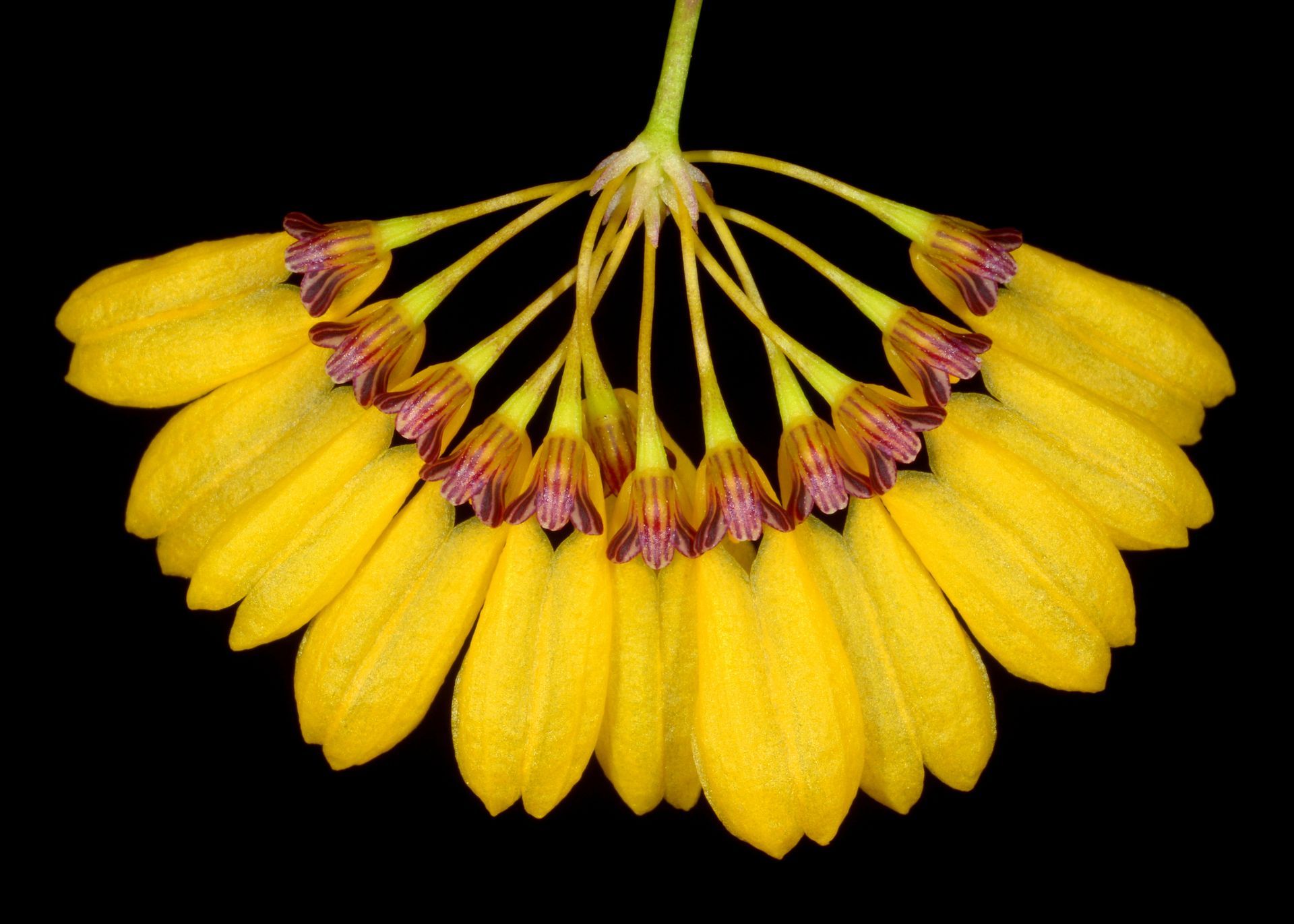
Masdevallia ova-avis
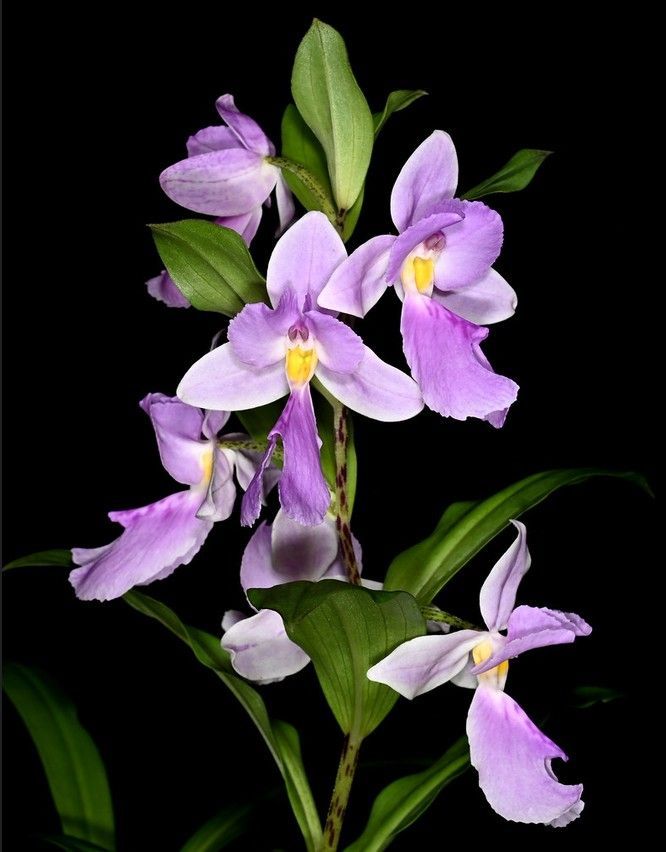
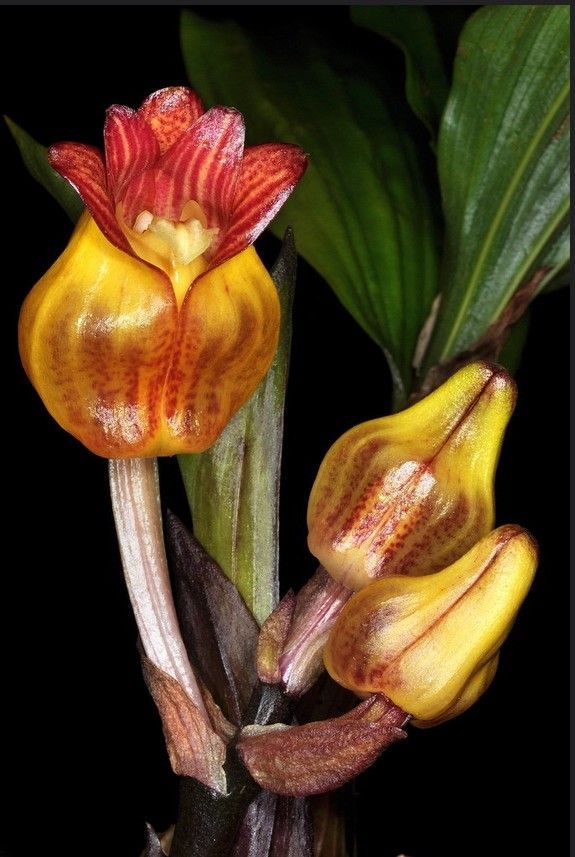
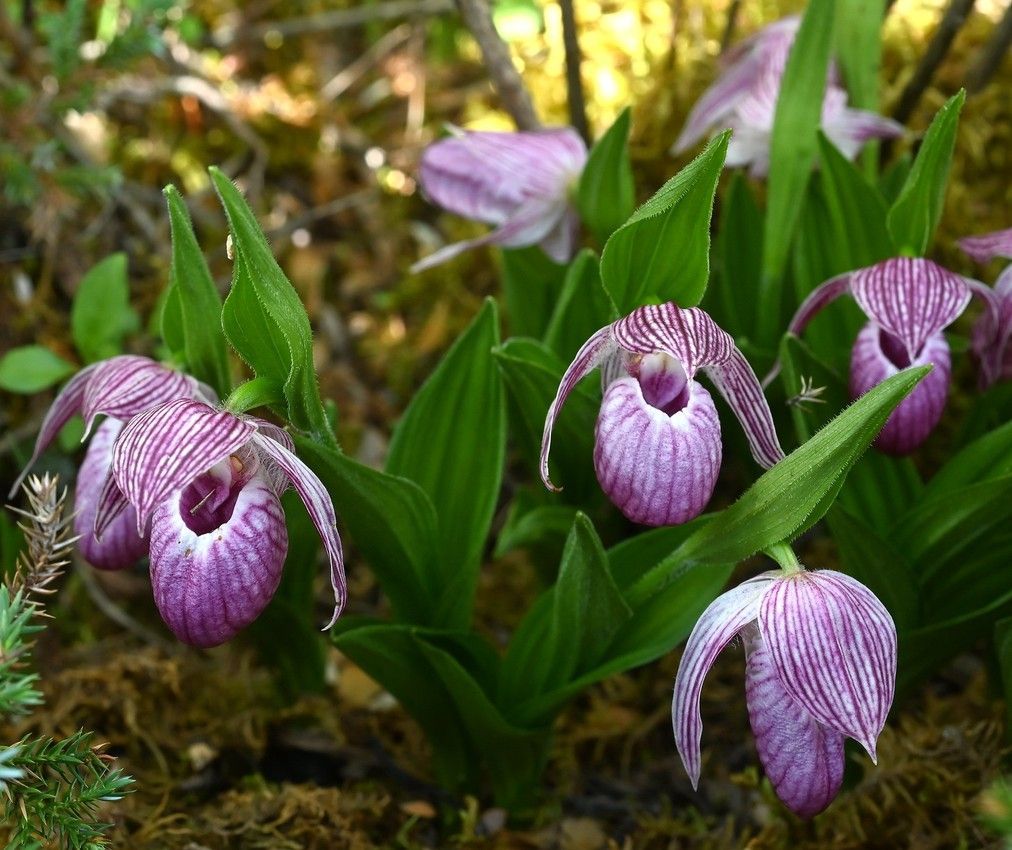
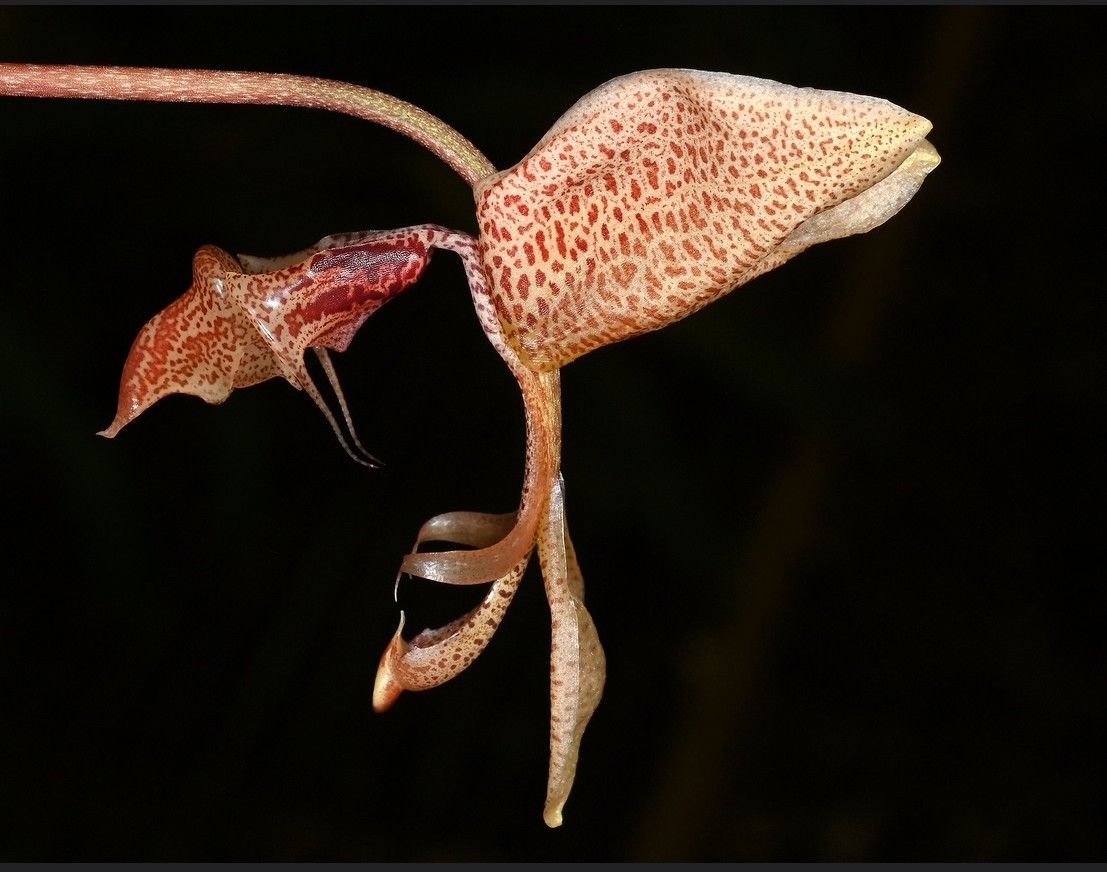
Masdevallia ova-avis is endemic to Ecuador, where plants grow on the western slopes in northwest Ecuador at 2.000 meters (6,500 feet) in dense cloud forests and on steep road embankments. It is a medium- to large-sized epiphyte or terrestrial that blooms with flowers that have a spicy perfume. It blooms in winter, spring, and summer. Water and fertilizer should be reduced somewhat in the winter but never allow them to dry out completely.
Photographer: Eric Hunt https://www.flickr.com/search/?user_id=39312862%40N00&safe_search=3&view_all=1&text=
Grower: Hanging Gardens
Info: Charles Baker culture sheet www.orchidculture.com
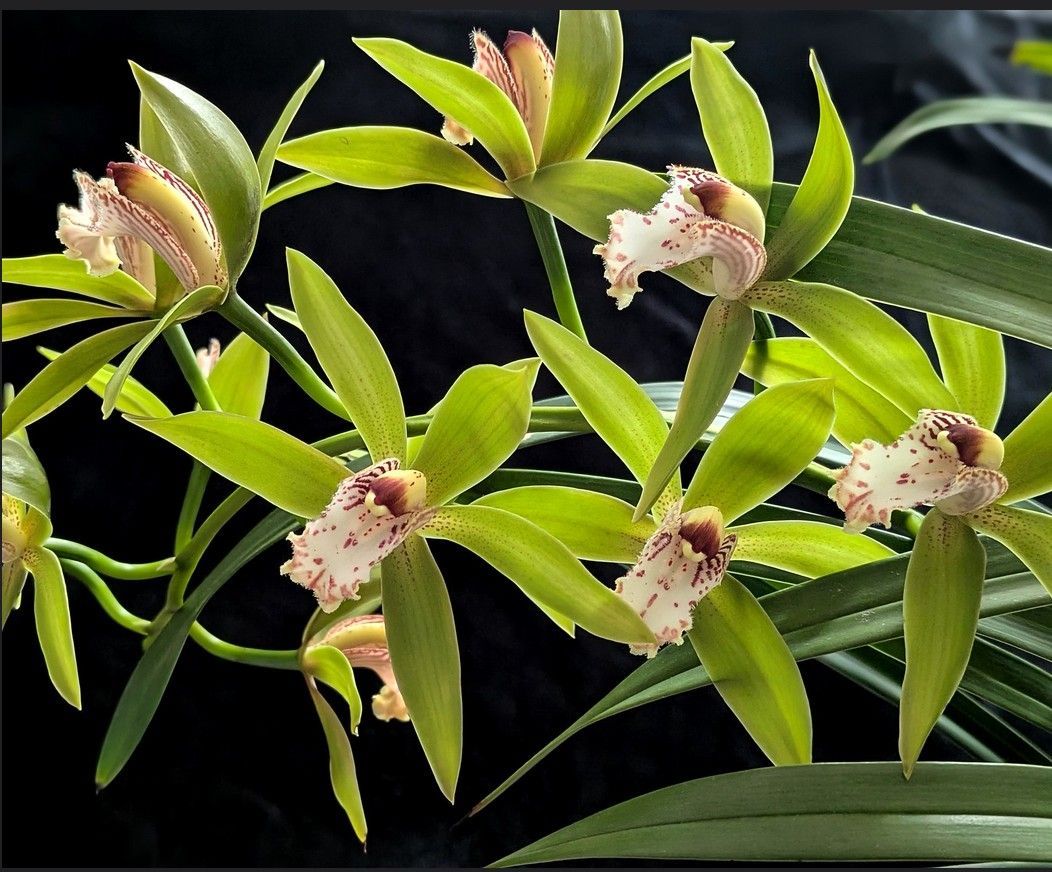
Photographer: Eric Hunt https://www.flickr.com/search/?user_id=39312862%40N00&safe_search=3&view_all=1&text=
Grower: Hanging Gardens
Info: Charles Baker culture sheet www.orchidculture.com

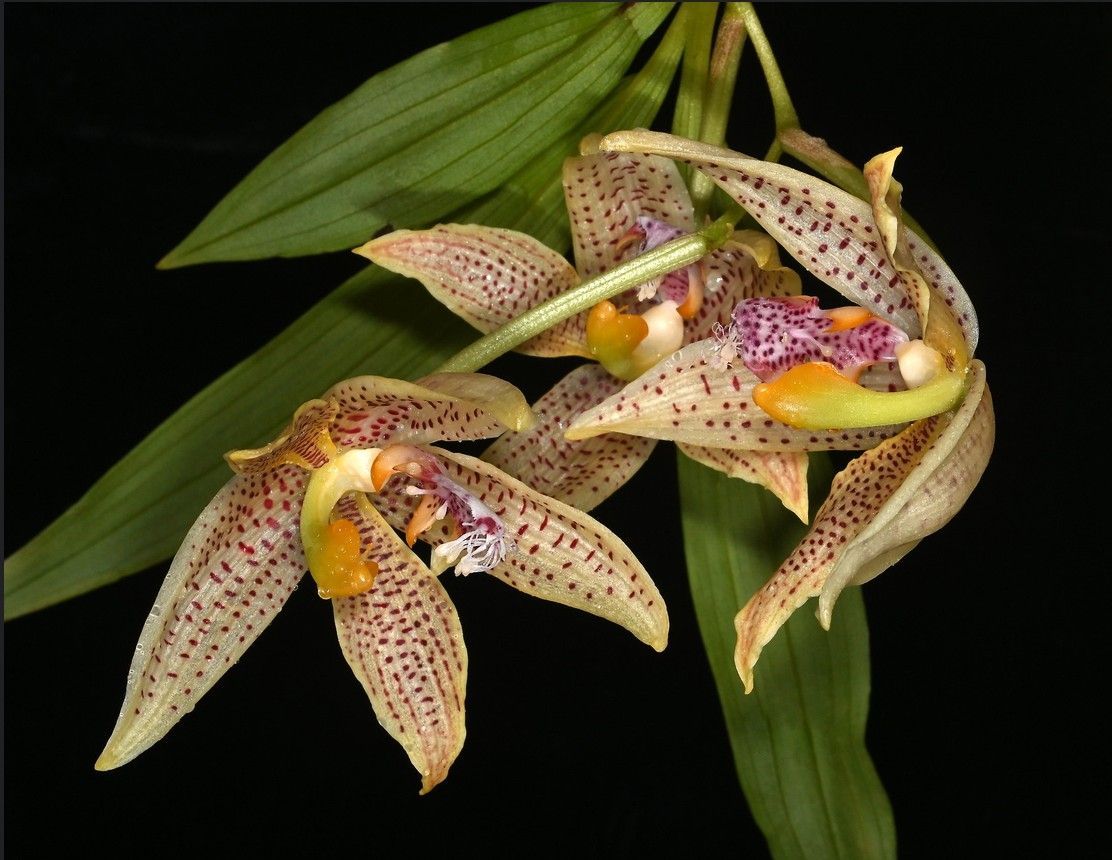
Laelia anceps is found in Guatemala, Honduras, and Mexico in coffee plantations, pastures, oak and oak/pine forests with a solitary leaf in tall, scattered oaks, or on rocks below them, or in pastures and coffee plantations, often in full sunlight, at elevations of 500 to 1,500 meters (1,640 to 4,921 feet). It blooms from autumn to spring with vanilla-scented, long-lasting flowered inflorescence Photographer: Ron Parsons (www.flickr.com/photos/rpflowershots Grower: Yunor Peralta Internet Orchid Species Photo Encyclopedia www.orchidspecies.com

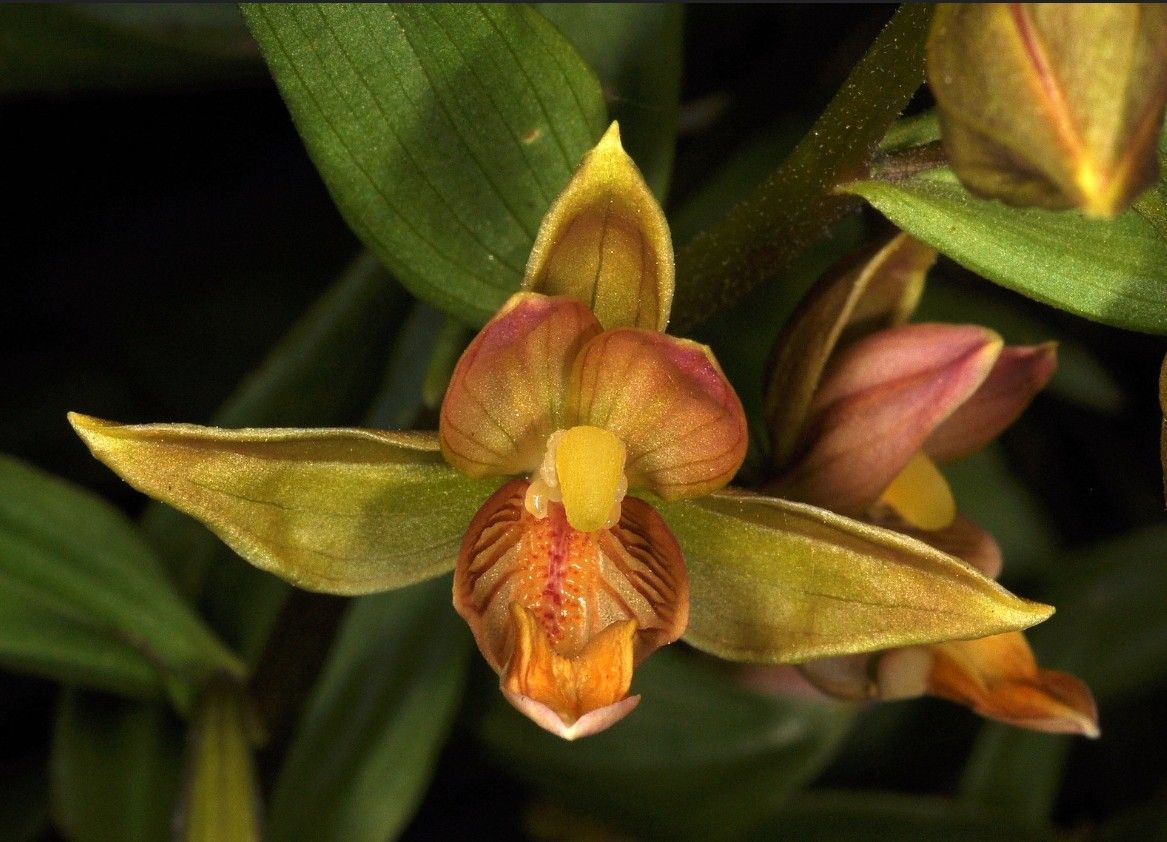
Caladenia alata is native to New South Wales, New Zealand North, Queensland, Tasmania, and Victoria as a terrestrial in forest, coastal scrub, and heathlands at elevations of sea level to 250 meters (820 feet). It is a miniature-sized plant that blooms in the spring with short-lived flowers. Photographer: Ron Parsons (www.flickr.com/photos/rpflowershots Internet Orchid Species Photo Encyclopedia www.orchidspecies.com

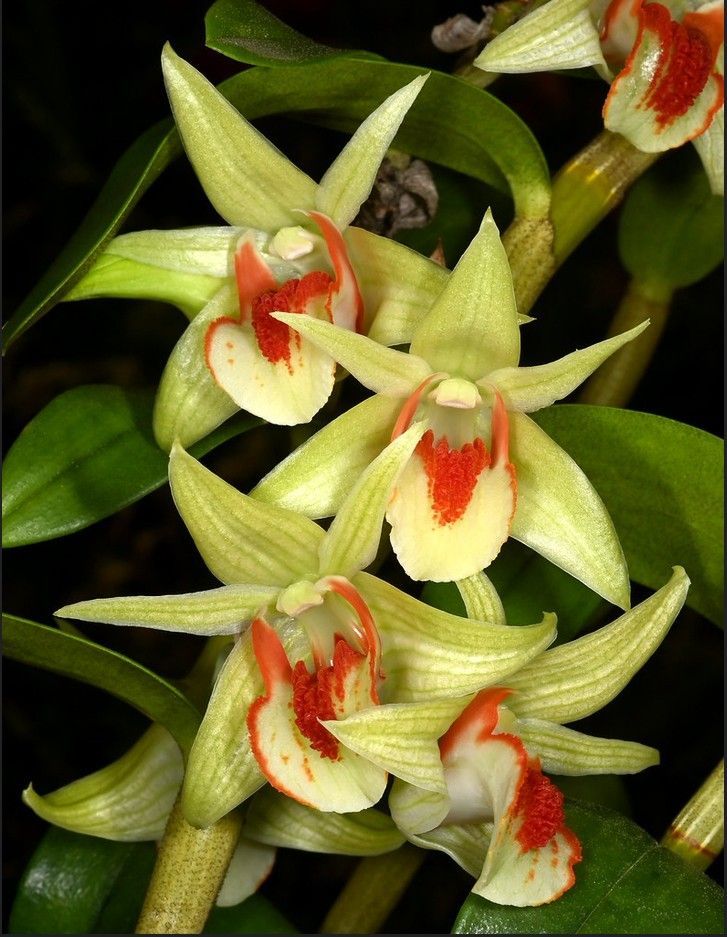
Dendrobium moorei is endemic to Australia. It is found on rocks, tree ferns, scrub, figs, and palms, as well as in the soil. They are most often found low on trees where light is relatively high. Although plants are more common above 1000 feet (300 meters), some are reported as low as 100 feet (30 meters). Collectors indicate that the best plants grow on tree ferns. A well-grown plant is usually in bloom. Water and fertilizer should be reduced, but never allow the plants to remain completely dry for long periods. Photographer: Ron Parsons (www.flickr.com/photos/rpflowershots Grower: Michael Matthews Info: Charles Baker culture sheet www.orchidculture.com

Stanhopea costaricensis is found in Nicaragua, El Salvador, Costa Rica, and Panama. Plants grow in intermediate evergreen or cloud and rainforests at 1,650 to 4,900 feet (500 to 1,500 meters) as a hot- to warm-growing epiphyte in moist, mist forest habitat. It blooms in the last spring and early summer with fragrant flowers. Plants are best grown mounted or in wire hanging baskets to accommodate the pendent inflorescences. Repotting should be done when new root growth is just starting. Growers report that Stanhopea are reluctant bloomers if given insufficient light, but the foliage is prone to burning or yellowing if light is too bright. Strong air movement is critically important. Photographer: Ron Parsons (www.flickr.com/photos/rpflowershots Grower: Orchid Species Plus Info: Charles Baker culture sheet www.orchidculture.com and Internet Orchid Species Photo Encyclopedia www.orchidspecies.com

Acineta is a genus with 14 accepted species. Acineta superba is found in Venezuela, Colombia, Ecuador, and Peru in seasonally dry cloud forest at 930 to 2,100 meters (3,050 to 6,900 feet. It can have from 5 to 30 large, fleshy, heavily waxy, and spicily fragrant flowers which bloom in the late winter and spring. These plants should be grown mounted or in a hanging basket to accommodate the pendant inflorescence. It should be given a short, dry winter rest. Photographer: Ron Parsons (www.flickr.com/photos/rpflowershots Grower: Orchid Species Plus Info: Charles Baker culture sheet www.orchidculture.com and Internet Orchid Species Photo Encyclopedia www.orchidspecies.com

Dendrobium limpidum is endemic to Papua New Guinea and found at 1,500 to 2,100 meters in wet, montane forests. It is a Miniature to small-sized, cool- to cold-growing epiphyte or lithophyte that blooms at most any time of the year. Photographer: Ron Parsons (www.flickr.com/photos/rpflowershots Grower: John Leathers Info: Internet Orchid Species Photo Encyclopedia www.orchidspecies.com

Sarcochilus falcatus is endemic to Australia and found from 100 to 1,400 meters (328 to 4,593 feet) on rainforest trees with exposure to fairly bright light and strong air movement. These plants, which grow in areas that are always very moist, are often found near gorges and ridge tops where winds and updrafts laden with clouds, mist, and drizzle are common. They appear to be found most frequently in areas in which the soil and rocks are of volcanic origin. The strongly fragrant blossoms open in the spring and last 2-3 weeks. They have an odor described as somewhat like vanilla. Photographer: Ron Parsons (www.flickr.com/photos/rpflowershots Grower: Mike Harrison Info: Charles Baker culture sheet www.orchidculture.com