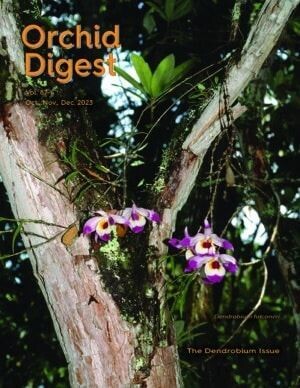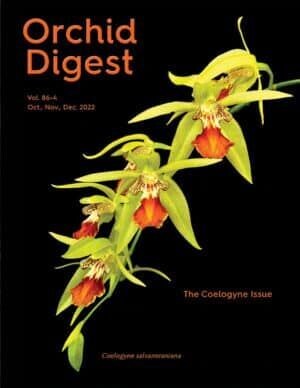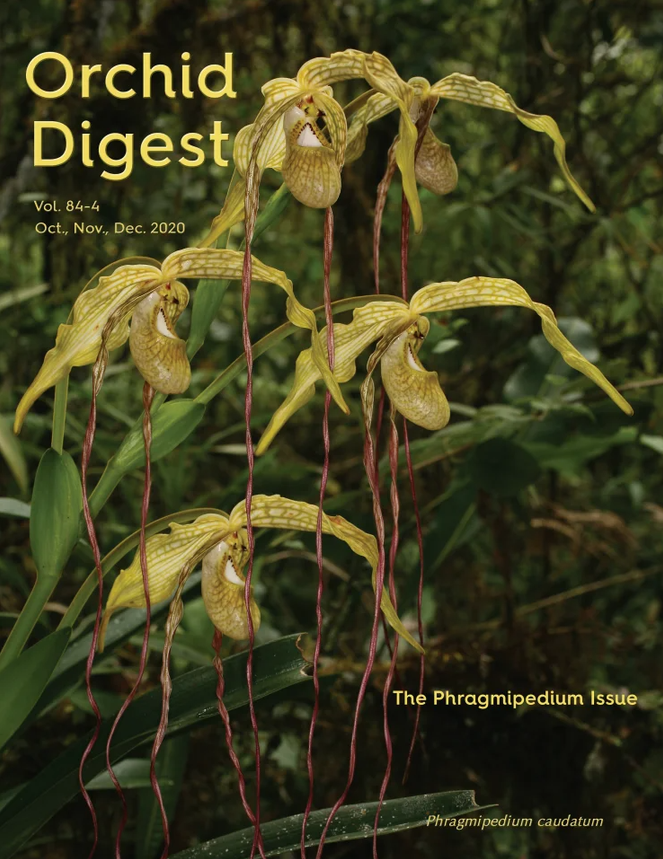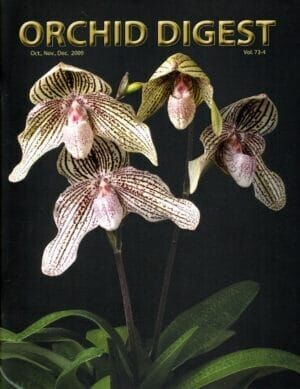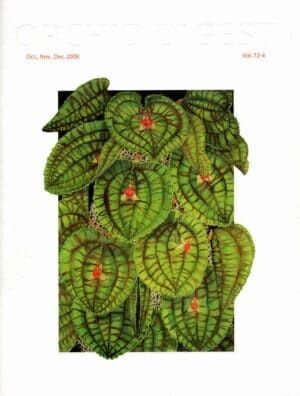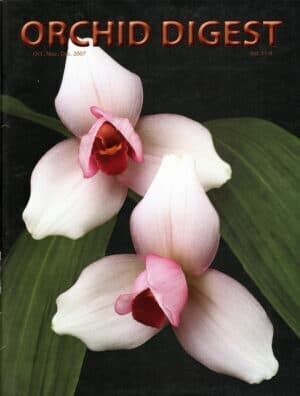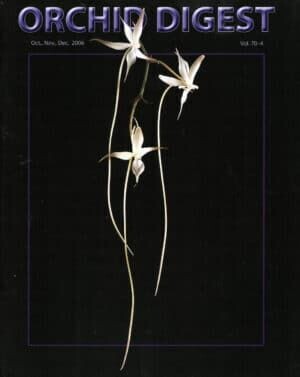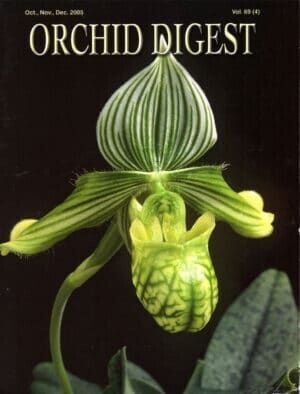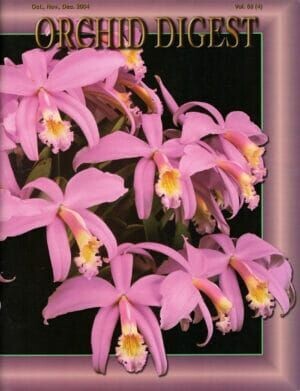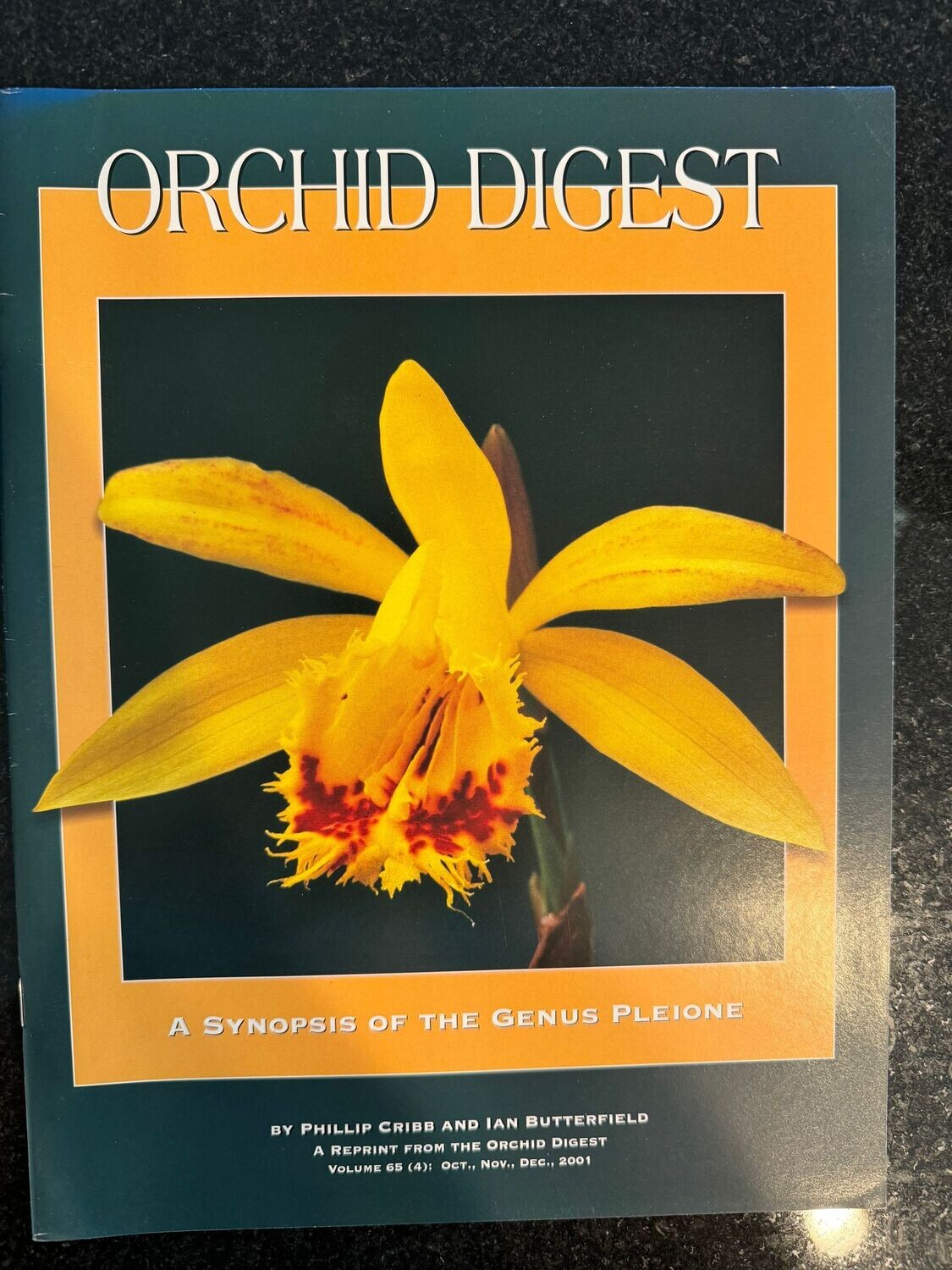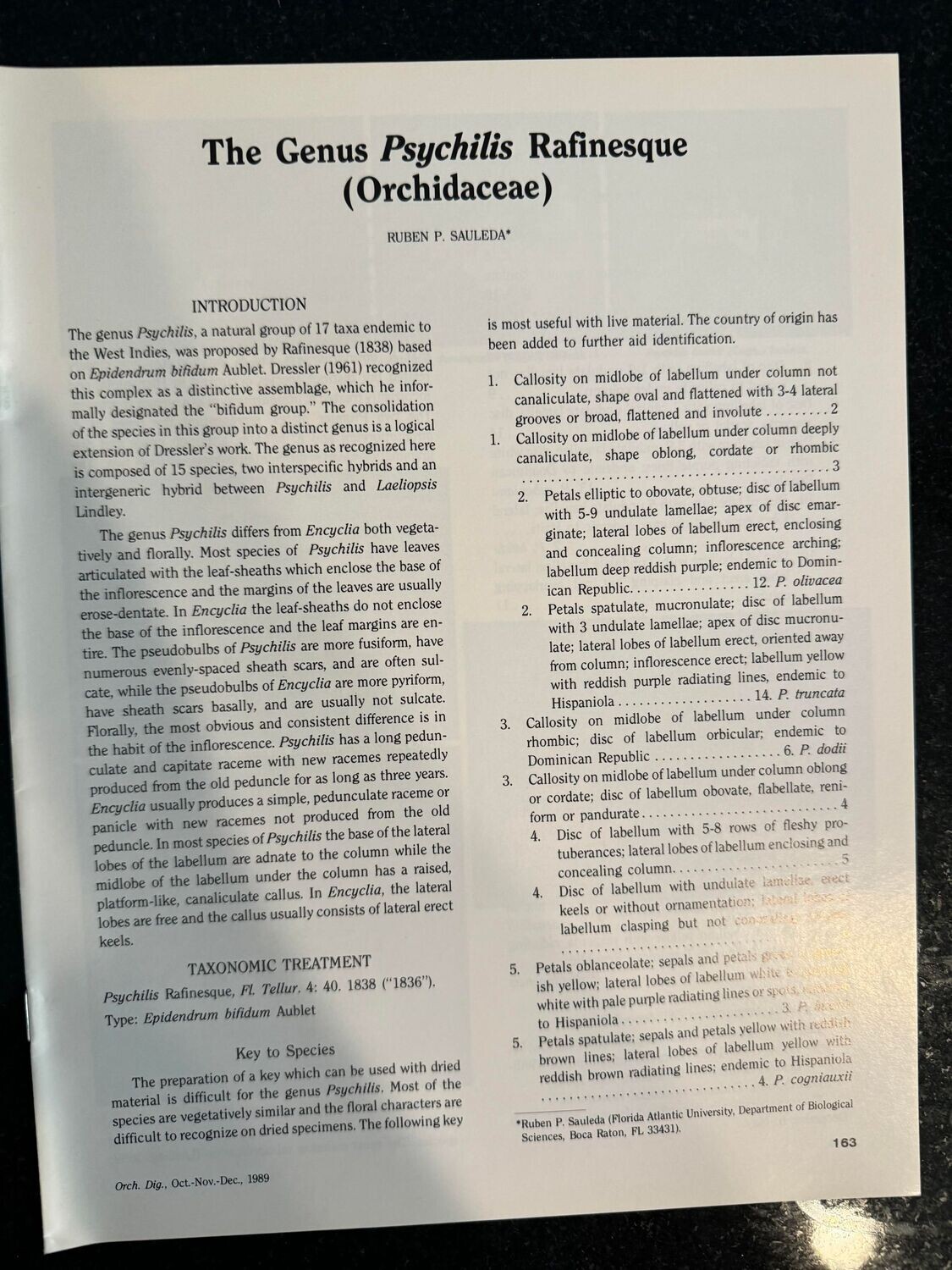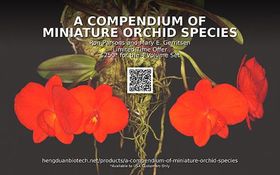
Join the Orchid Digest!
We have been uniting orchid enthusiasts across the globe. Become a better grower and get the best results for your orchids and companion plants.
As an Orchid Digest member, you will receive these benefits:
- A quarterly, award-winning magazine in both print and online
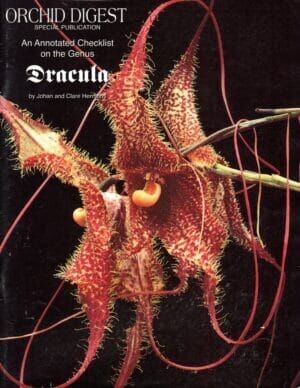
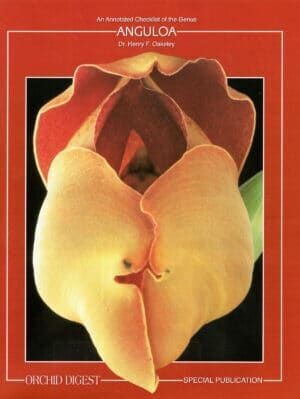
- A special year-end issue dedicated to a single orchid subject
- Access to our archive of online magazines
- Low membership prices, starting at $3.00 a month
- Access to webinars presented on orchid topics by orchid experts for personal use and as programs for Affiliated Societies
- Speakers days, both virtual and hybrid, featuring orchid experts from around the world
LEARN ABOUT ORCHIDS
The Orchid Digest can help you become a better grower! Learn how to get the best from your plants. Articles by expert orchid growers cover many topics, including general culture information and genera-specific culture information.
THE MAGAZINE
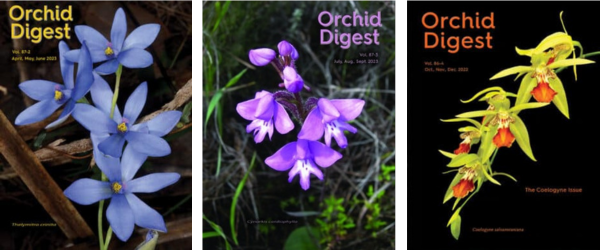
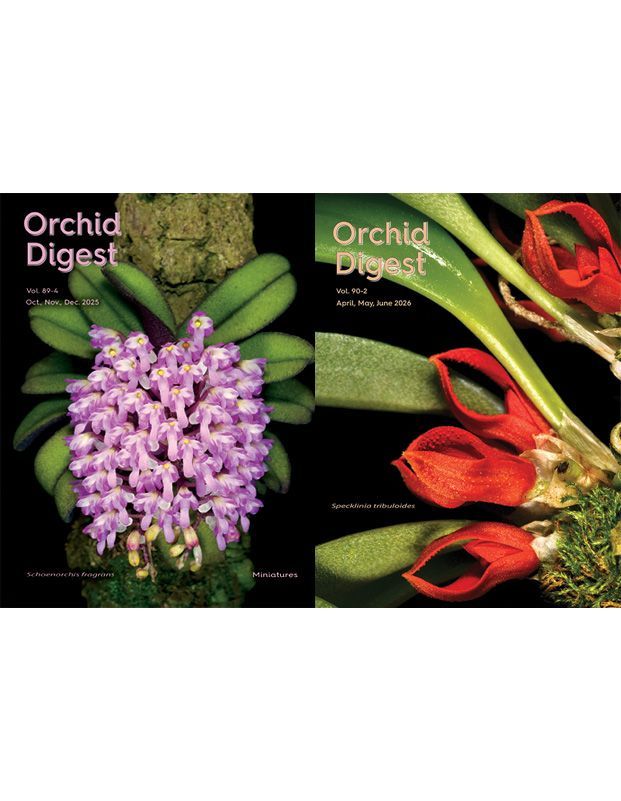
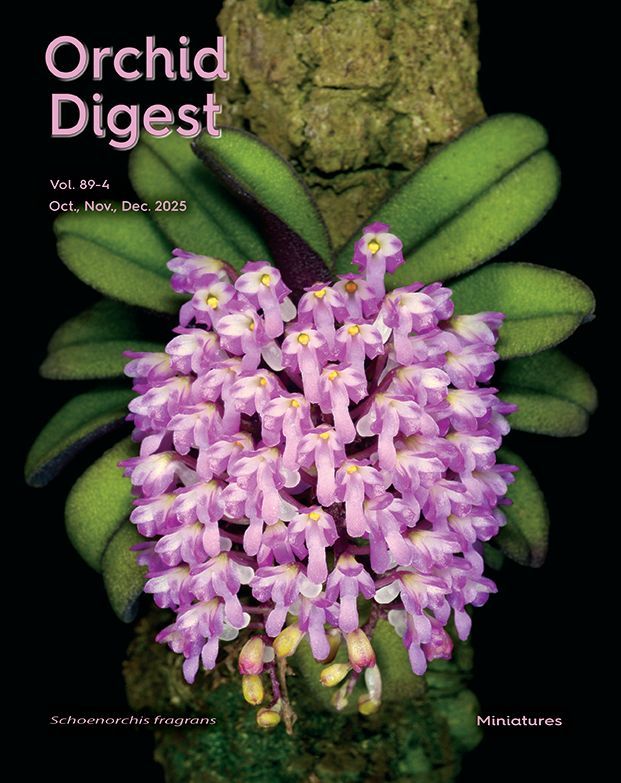
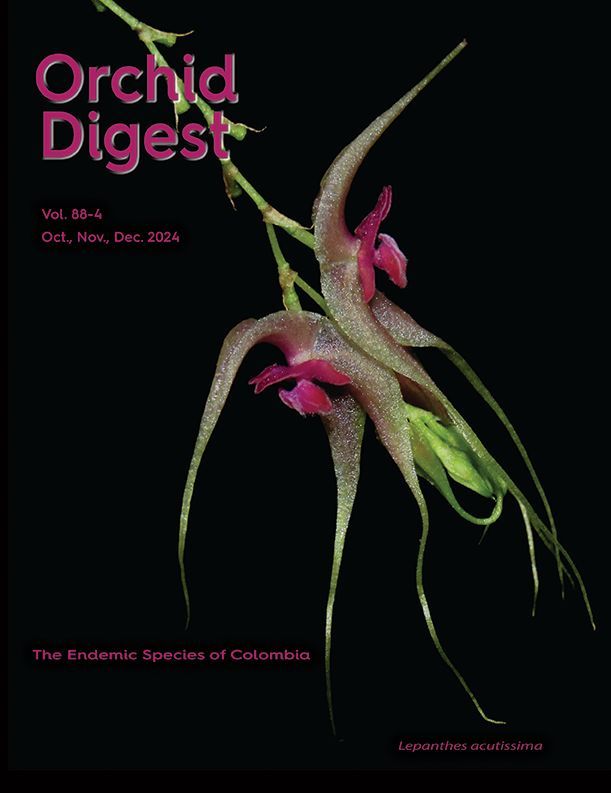
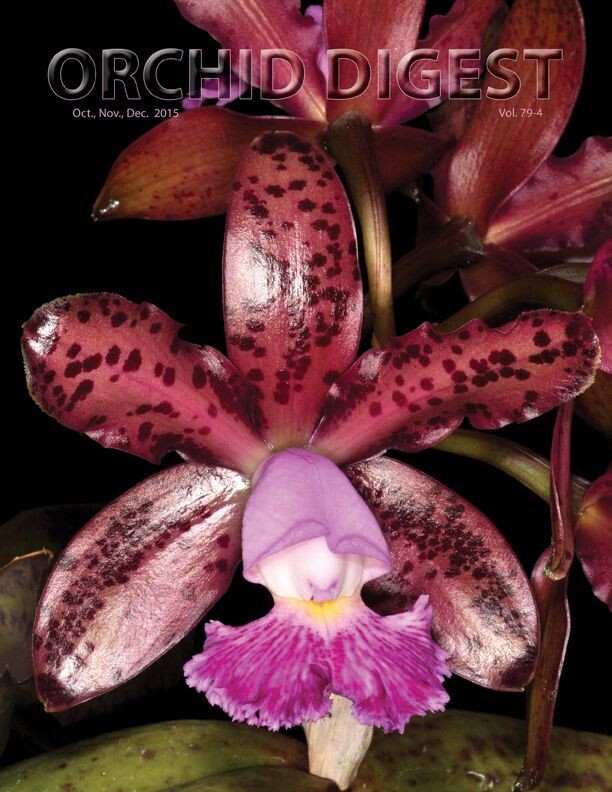
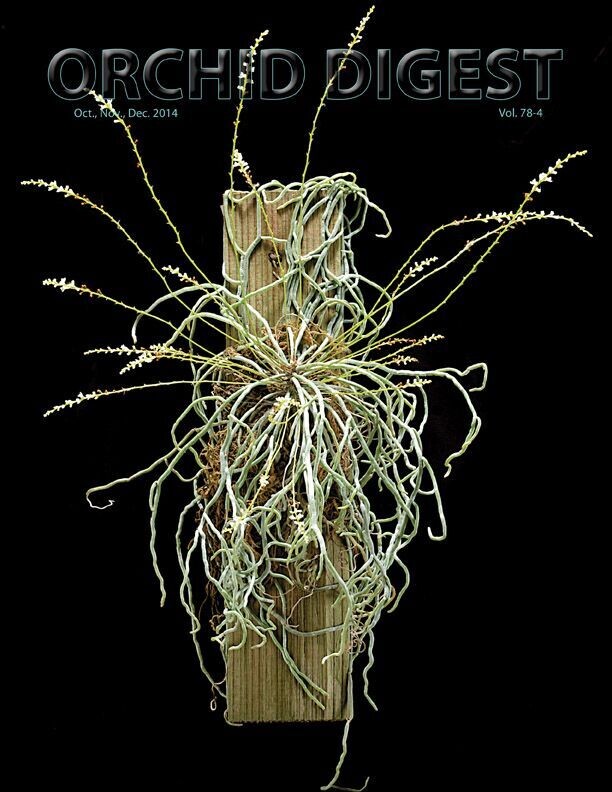
The Orchid Digest has delivered reliable orchid information for over 80 years!
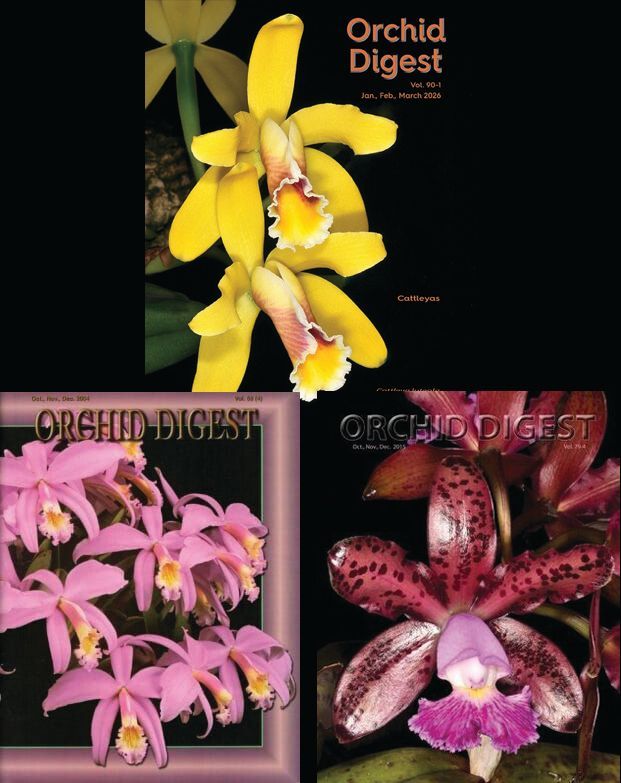
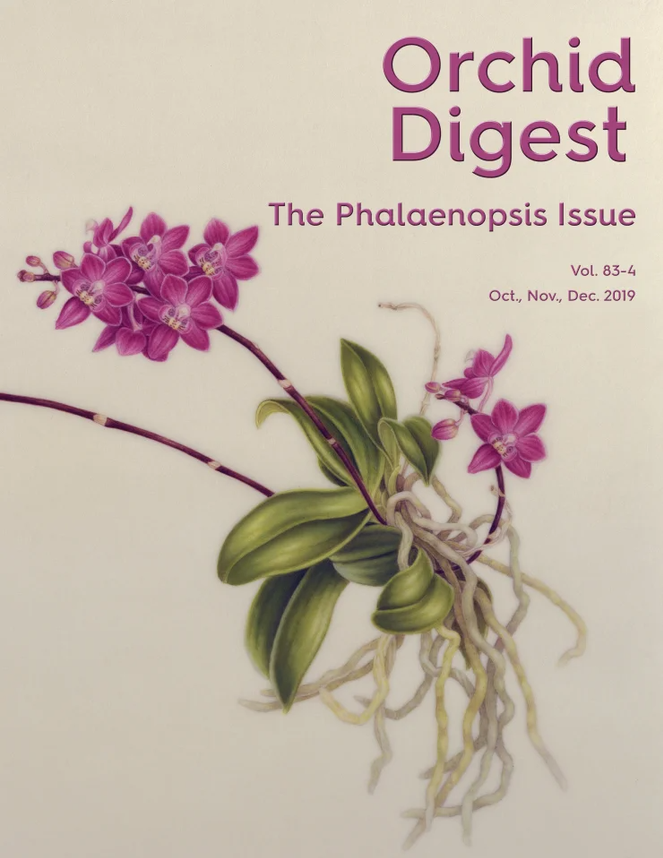
Articles include culture information to help you grow your plants to be their very best no matter where you grow, take you on travels to exotic orchid habitats, introduce new species, provide checklists of orchid genera, and even short stories and an occasional poem!
Now available in print and online.
GALLERY
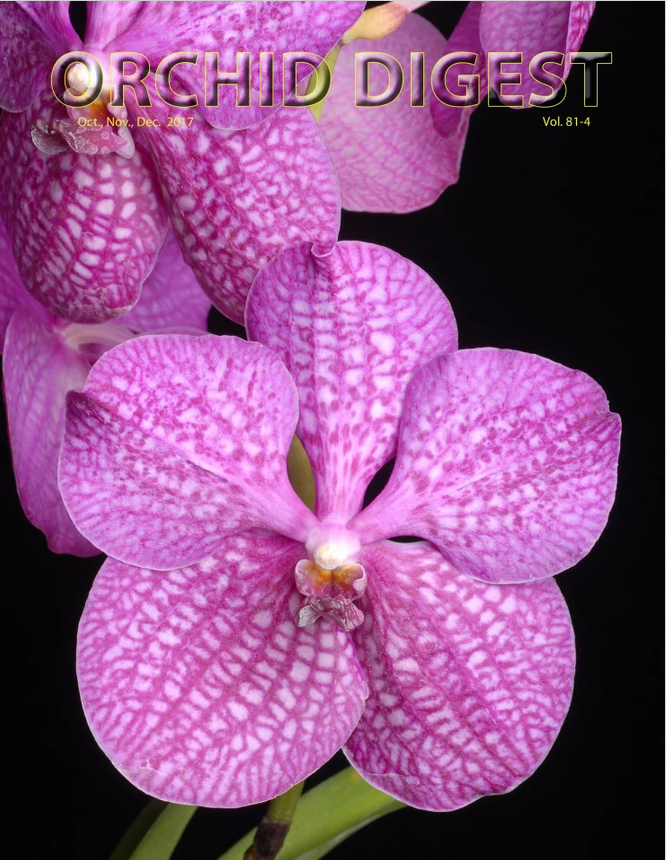
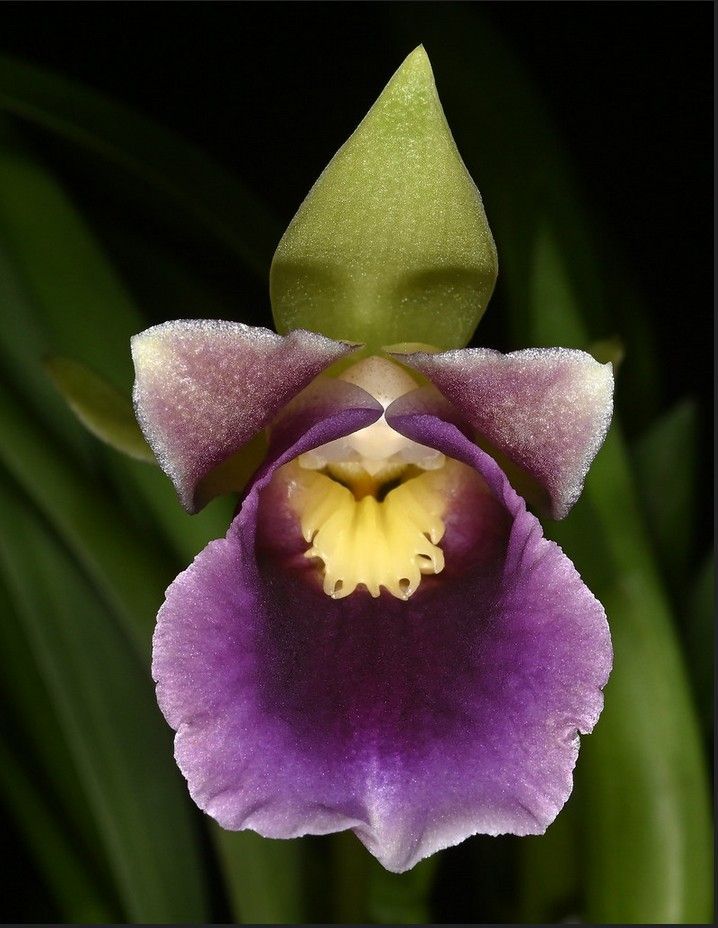
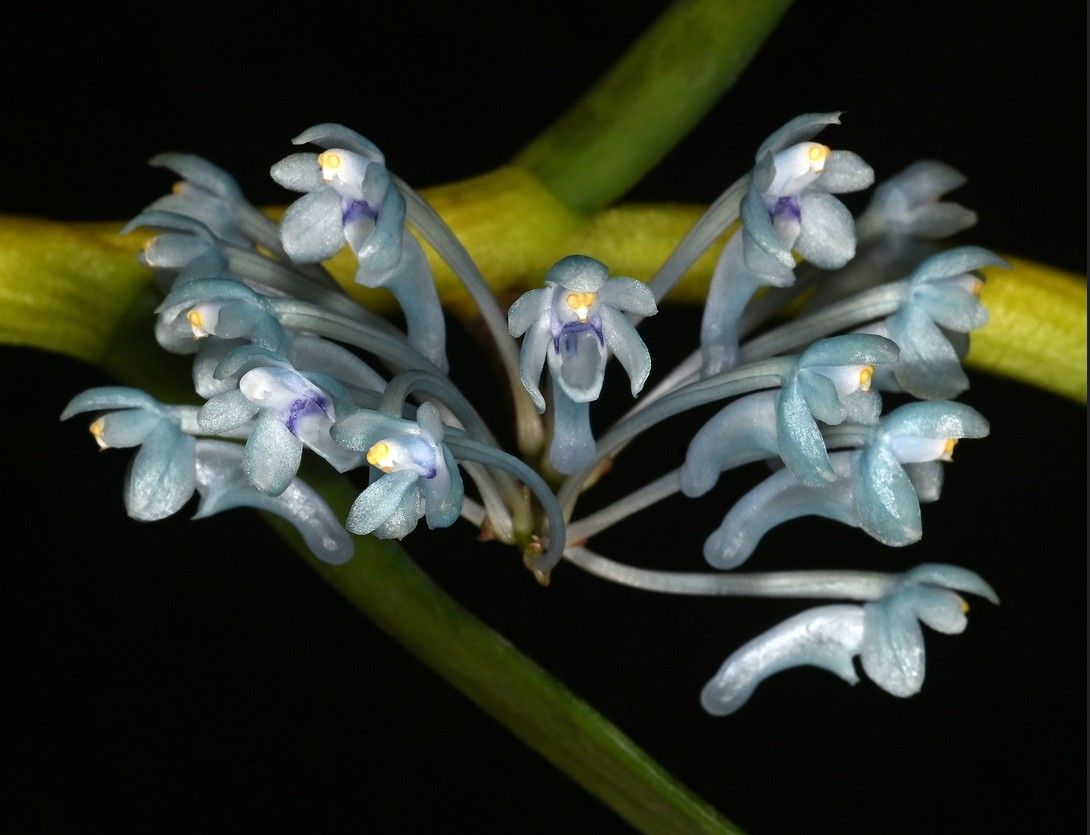
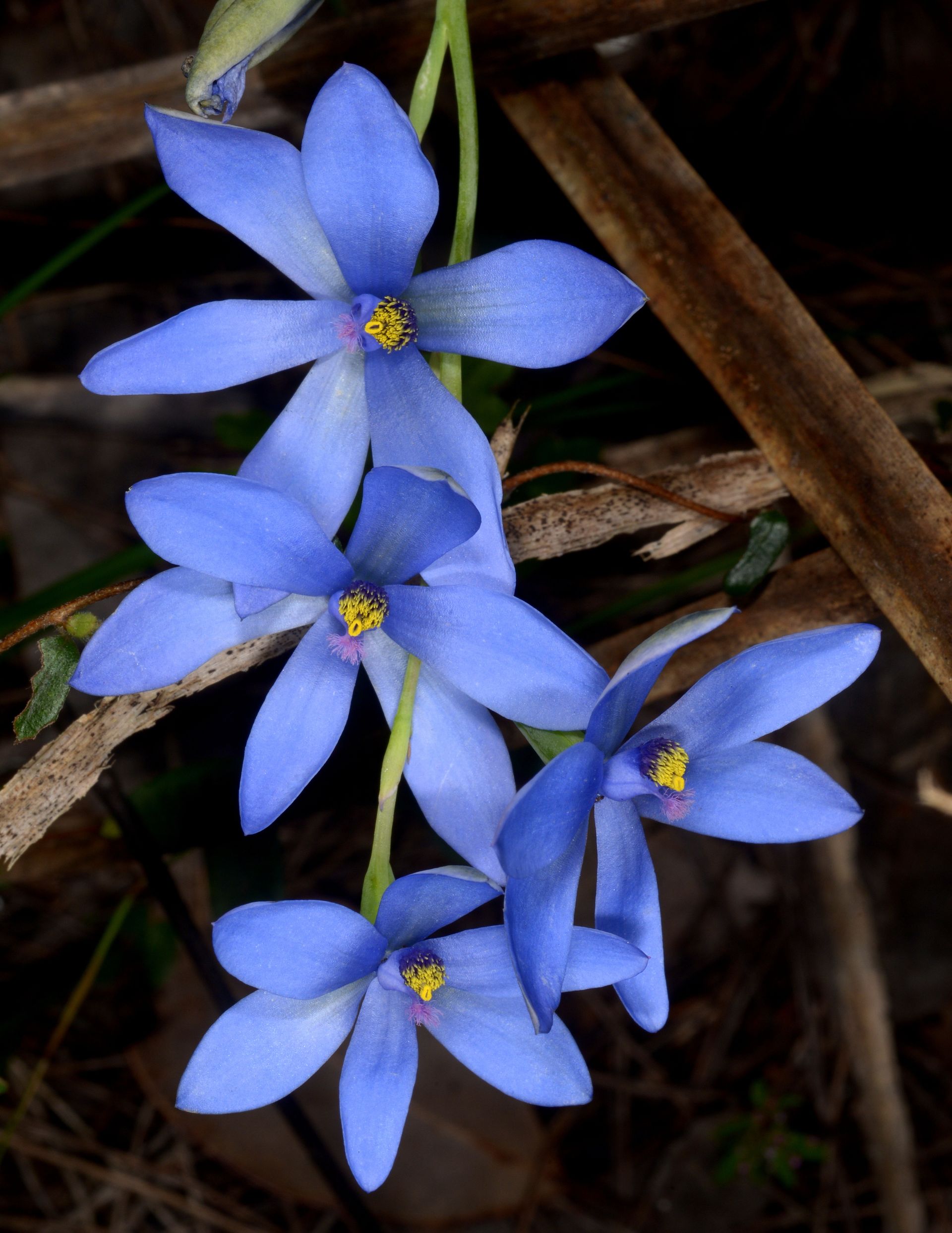
The beauty of orchids showcased in gorgeous photography. Browse the beauty in the hundreds of photographs stored in our gallery.
YOUR SUPPORT MATTERS
Your gift supports our efforts to produce an outstanding journal. Without you, none of this would be possible.
Orchid Digest is a 501(c)(3) organization.
MARK YOUR CALENDAR
"Subscribe" button lets you add our events to your personal calendar.
"Agenda" button shows events in a list. "Monthly" button shows events in a calendar view.
SHOP ORCHID DIGEST